By Jonathan Da Silva

Remembering Those Who Serve

On Veterans Day, we remember and honor those who served in the United States Armed Forces. Originally called Armistice Day to represent the end of WWI, it has become a day to honor all veterans. Our expert researchers at the Family History Center have combed our manifests to recognize some of the many veterans who have connections to Ellis Island and the Port of New York. 

Admiral William Frederick Halsey

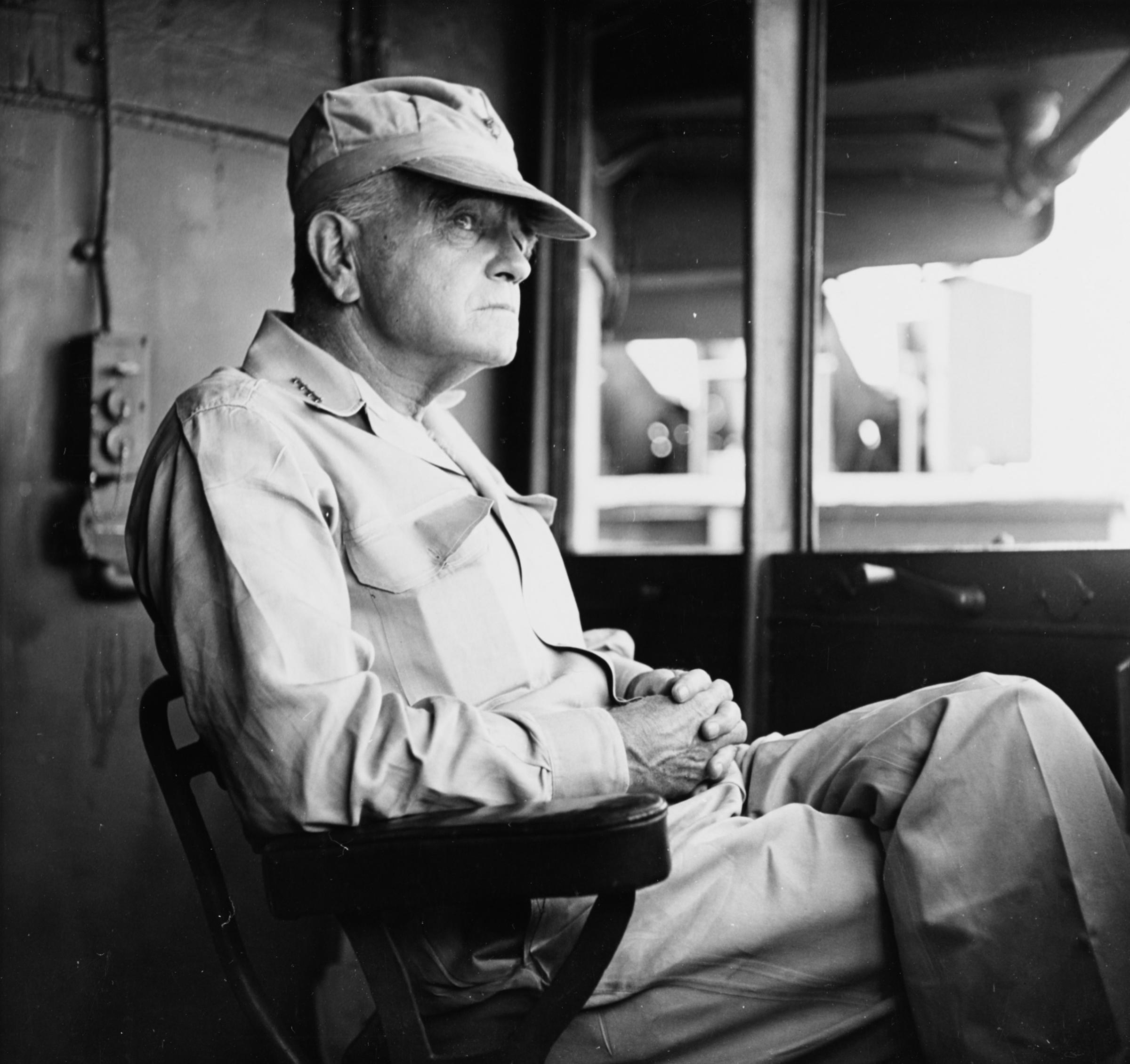
Born and raised in Elizabeth, NJ, Admiral William Frederick Halsey Jr., was perhaps the most famous commander in the United States Navy. Our records include a 1918 manifest showing his return home aboard Aquitania from WWI. Known for his aggressive commanding style and brash “every man” personality, Halsey was loved by those who served under him. He graduated the U.S. Naval Academy in 1904 and served during WWI. By WWII, he had become an Admiral. Halsey, primarily using the aircraft carrier Enterprise as his flagship, led campaigns against the Imperial Japanese Navy including Santa Cruz and Guadalcanal, but missed the Battle of Midway due to illness. In 1944, he was promoted to alternate command of the newly formed “Big Blue Fleet” with Admiral Raymond Spruance. He commanded the largest naval battle ever during the Battle of Leyte Gulf using the battleship New Jersey as his flagship. He was present during the Japanese surrender on September 2, 1945.  
Admiral Raymond Ames Spruance

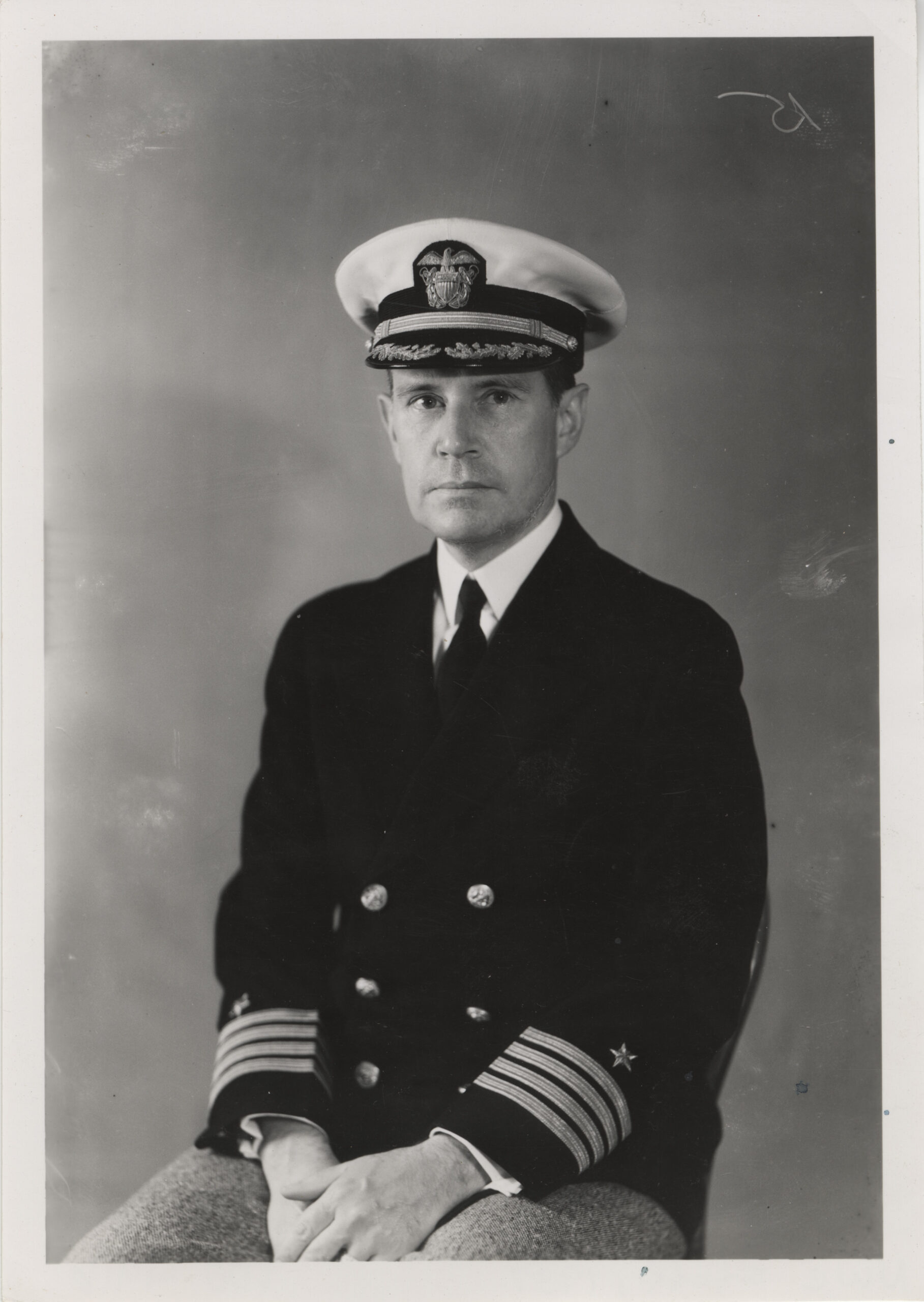
Admiral Raymond Ames Spruance was a polar opposite from his peer, Admiral Halsey. Spruance was a calculated commander, and preferred to take action “by the book.” He was known as a consummate professional. Another 1918 manifest shows his return from WWI aboard Caronia. Spruance was born in Baltimore and grew up in New Jersey and Indiana. He graduated the US Naval Academy in 1906. Spruance was one of the rear admirals that assumed command during Halsey’s absence for the Battle of Midway. He also used Enterprise as his flagship. By 1944, he was promoted to full admiral and traded command with Halsey of the Big Blue Fleet also using New Jersey as his flagship, participating in Operation Hailstone and the Battle of the Philippine Sea. During the Japanese surrender, Spruance created the largest fleet ever assembled off the coast of Japan due to the fear of a surprise attack during the surrender ceremony. He succeeded Admiral Nimitz as Commander in Chief, U.S. Pacific fleet in November 1945. 

Fleet Admiral Chester Nimitz

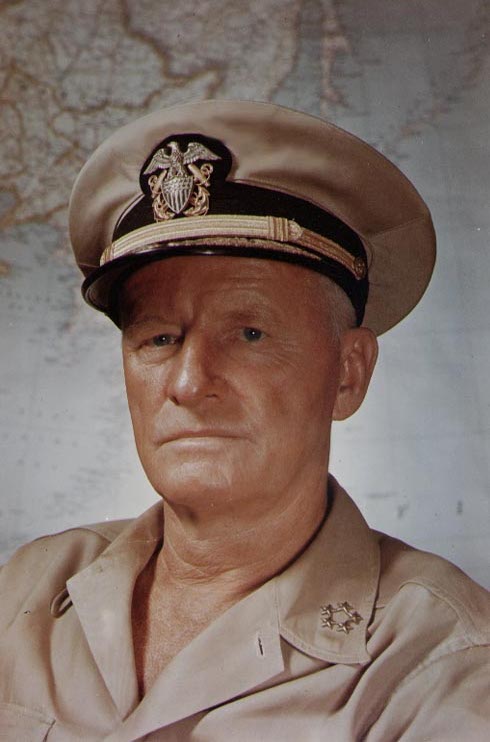
Where is repeat where is task force thirty-four. The world wonders. – One of the most famous quotes of WWII was sent via encryption 80 years ago during the Battle of Leyte Gulf by Fleet Admiral Chester Nimitz to Admiral William Halsey. Nimitz was the descendant German immigrants. His grandfather and idol, Karl Nimitz was a merchant marine, who heavily influenced his decision attend the Naval Academy in 1901. After graduation, Nimitz quickly rose through the ranks and at the outbreak of WWII in the United States, was selected by President Roosevelt to be Commander in Chief of the United States Pacific Fleet. This voyage aboard Vaderland illustrates Nimitz return from his studies abroad in Germany and Belgium. 

Billy Mitchell

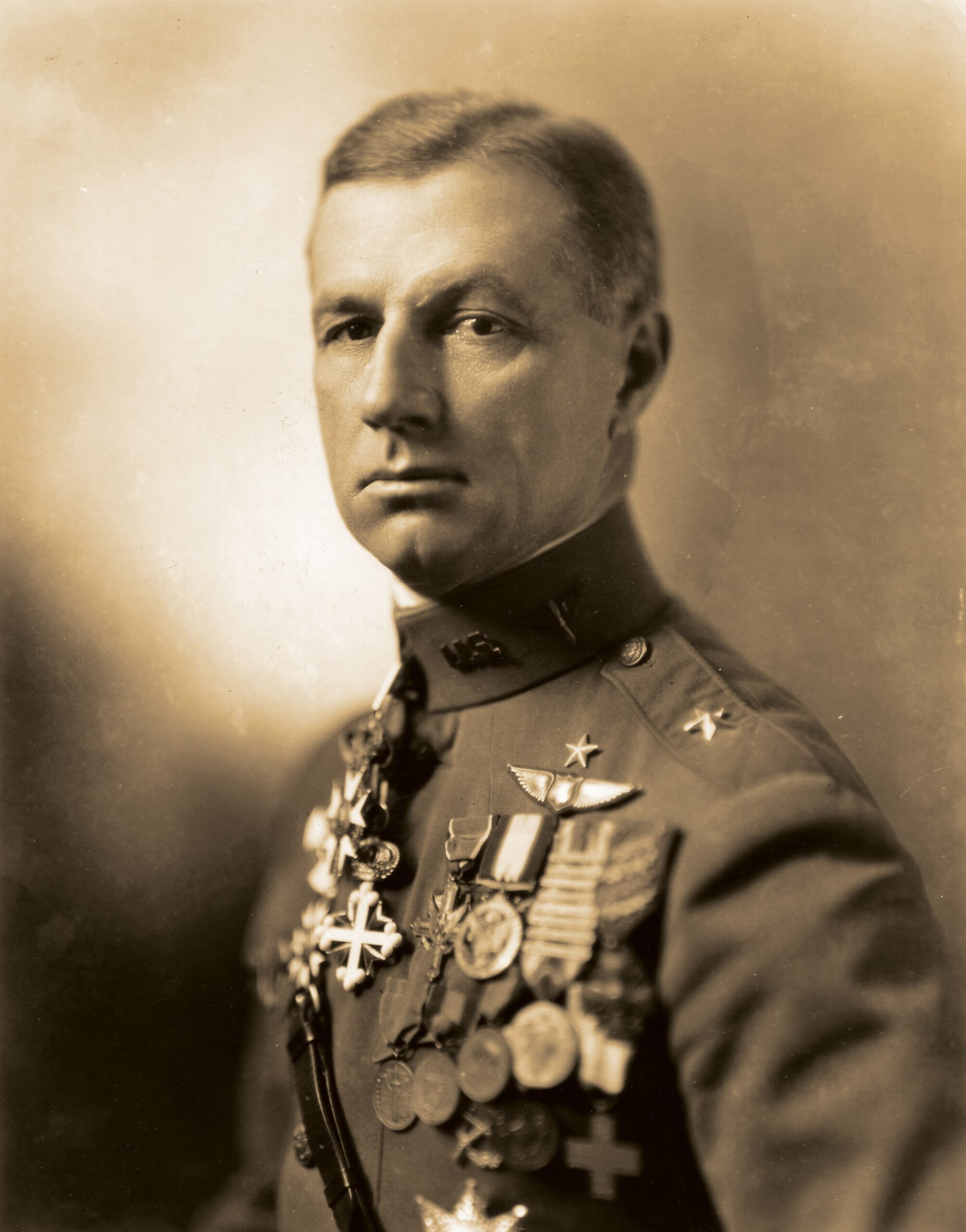
Colonel “Billy” Mitchell was a pioneer in military aviation and the “godfather” of the U.S. Air Force. Mitchell was born in France in 1879, the son of an U.S. Senator from Wisconsin. He enlisted in the U.S. Army in 1898, fighting in both the Spanish-American and Philippine-American wars. During WWI, he was stationed in Spain and became the first American officer to fly a combat mission over Germany. Mitchell was regarded as a leader, and eventually commanded all American air combat units in France. He was awarded Distinguished Service Cross, the Distinguished Service Medal, the World War I Victory Medal. 

General Colin Powell

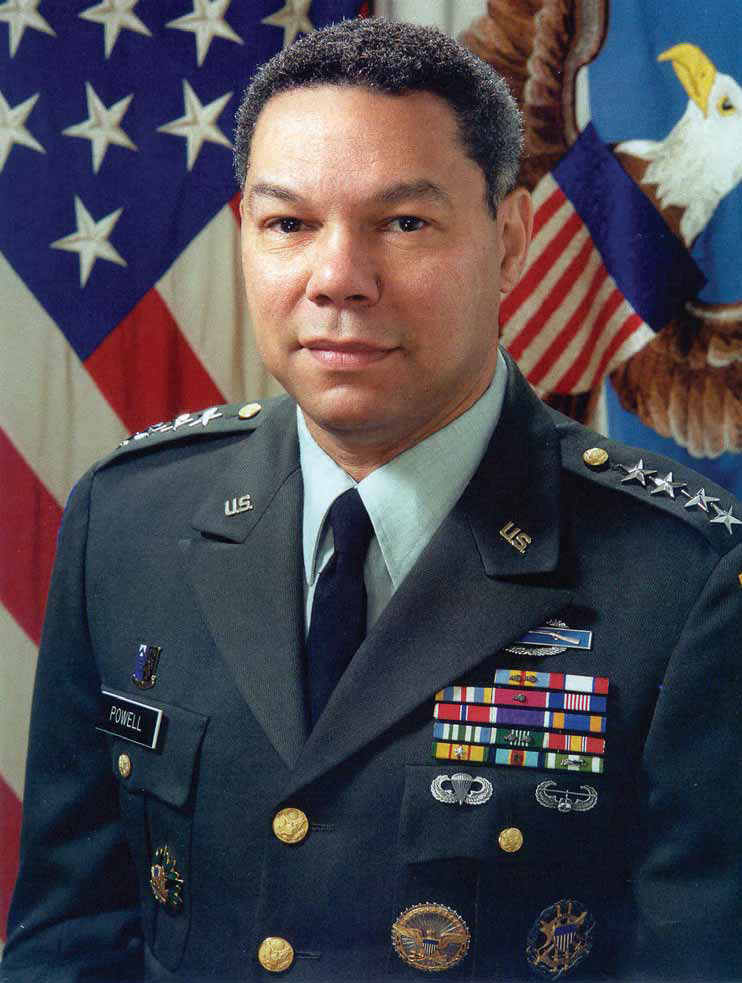
General Colin Luther Powell was born to Jamaican immigrant parents in New York City. While in college, he joined the Army ROTC and earned the rank of Second Lieutenant by graduation. His first overseas assignment was in West Germany as a platoon leader before going to Vietnam. He later returned to Vietnam in 1968, this time as a Major. He received several awards after surviving a helicopter crash and rescuing fellow soldiers from the burning wreckage. Post Vietnam, he became the National Security Advisor for the Reagan Administration and was promoted to General in 1989. He was appointed Chairman of the Joint Chiefs of Staff during the Bush Administration and a chief strategist during Operation Desert Shield / Storm. 

General Norman Schwarzkopf

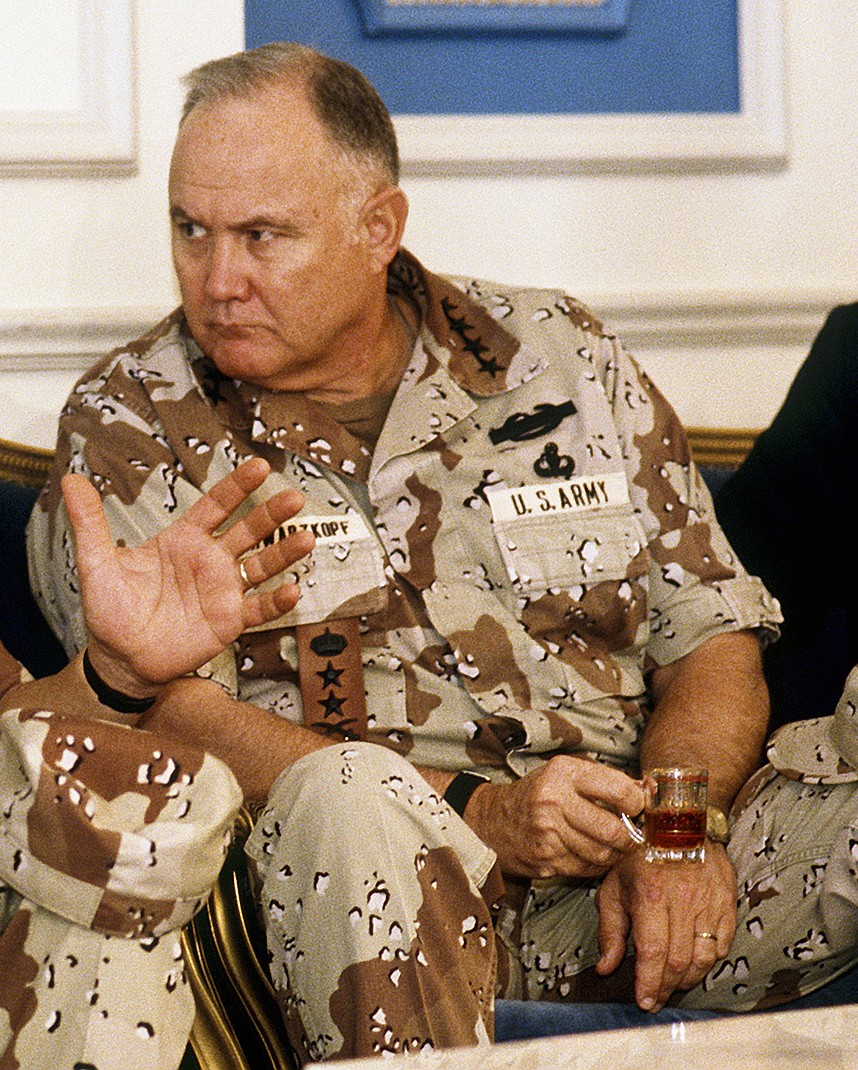
General Norman Schwarzkopf, Jr., nicknamed “Stormin Norman,” followed in the footsteps of his father and became a career serviceman. Schwarzkopf Sr., the grandson of German immigrants to Newark, NJ, was a WWI and WWII veteran and the first Superintendent of the NJ State Police. Because of his father’s military career, he spent his formative years in Iran, Switzerland and Italy. Our records feature a 1950 manifest showing his arrival to New York to go to the Valley Forge Military Academy. During the Vietnam War, he rose in rank quickly and earned several awards including three Distinguished Service Medals and two Purple Hearts. He rose to the rank of General in 1988. During Operation Desert Shield / Storm, he was the commander of all coalition forces, earning more distinguishments. 

SFC Edward Carter Jr.

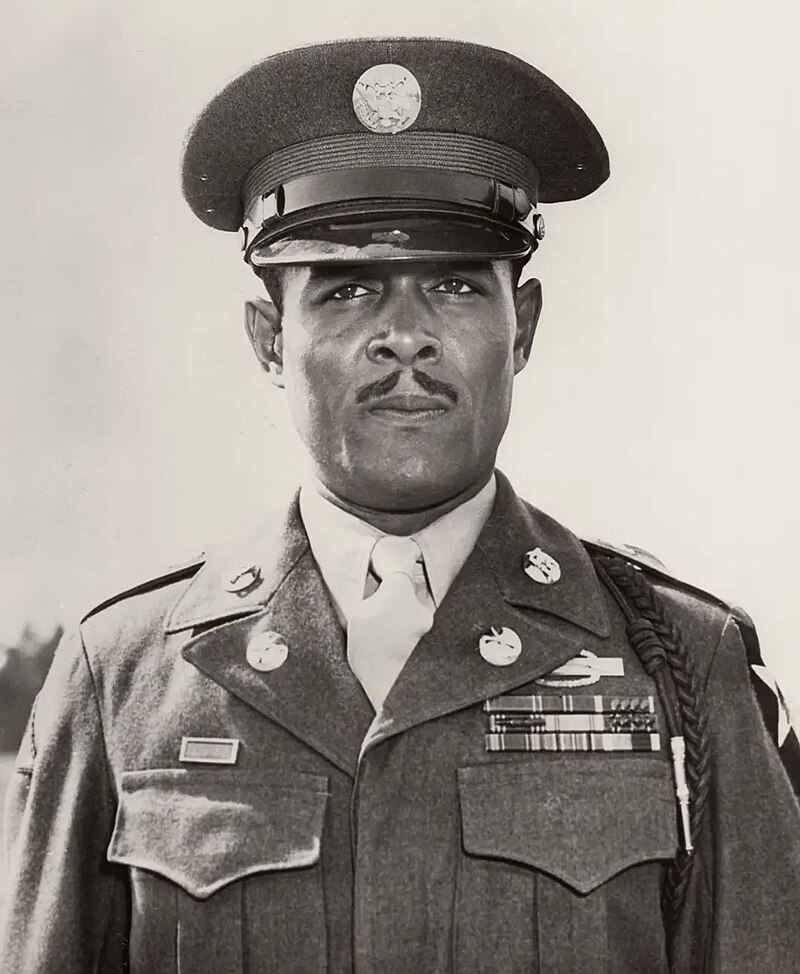
Sergeant First Class Edward A. Carter, Jr. did not receive his Medal of Honor until decades after his heroic feats in Speyer, Germany due to racial prejudice at the time. His mother, born in India to a Scottish father and Dutch East Indian mother before migrating to the West Indies and ultimately the U.S. on this 1908 manifest. As a result of his father’s missionary work, Carter grew up traveling between China and India. He was fluent in German, Mandarin, and Hindi. When the U.S. entered WWII, he enlisted and achieved the rank of Staff Sergeant in less than a year. At the time, black soldiers were not allowed to participate in combat unless they gave up their rank. Carter did so, becoming a Private again. In March 1945, after an ambush disabled his tank and killed his men, Carter singlehandedly destroyed a German artillery position, capturing two men and interrogating them. He was awarded the Purple Heart and Distinguished Service Cross, which was upgraded to the Medal of Honor in 1997. 

Lt. Cdr Norma Busse

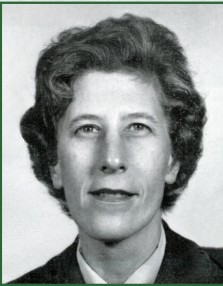
Lieutenant Commander Norma V. Busse was a distinguished member of the U.S. Army and an organizer for the USO. Her parents were German immigrants, arriving in 1916. She grew up in San Francisco and attended UC Berkeley. After graduating, she enlisted in the U.S. Army. In 1952, she received a duty assignment to Japan, Assistant Director of Special Services for Asia. In this role, she coordinated USO entertainment tours for Japan and Korea. She met South Korean President Syngman Rhee for a photo op. While discussing this job, Norma remarked, “This assignment was a dream job for someone on her first overseas tour of duty, and I shall never forget it.” Later in her career, her assignments were to the Casualty Division during the late Vietnam War and to the Chief of Staff’s Office at Fifth Army HQ at Fort Sam Houston. After returning to the U.S., Norma stayed on active duty until 1973. She went to law school and held careers as an attorney and a judge. 

Lenah Higbee

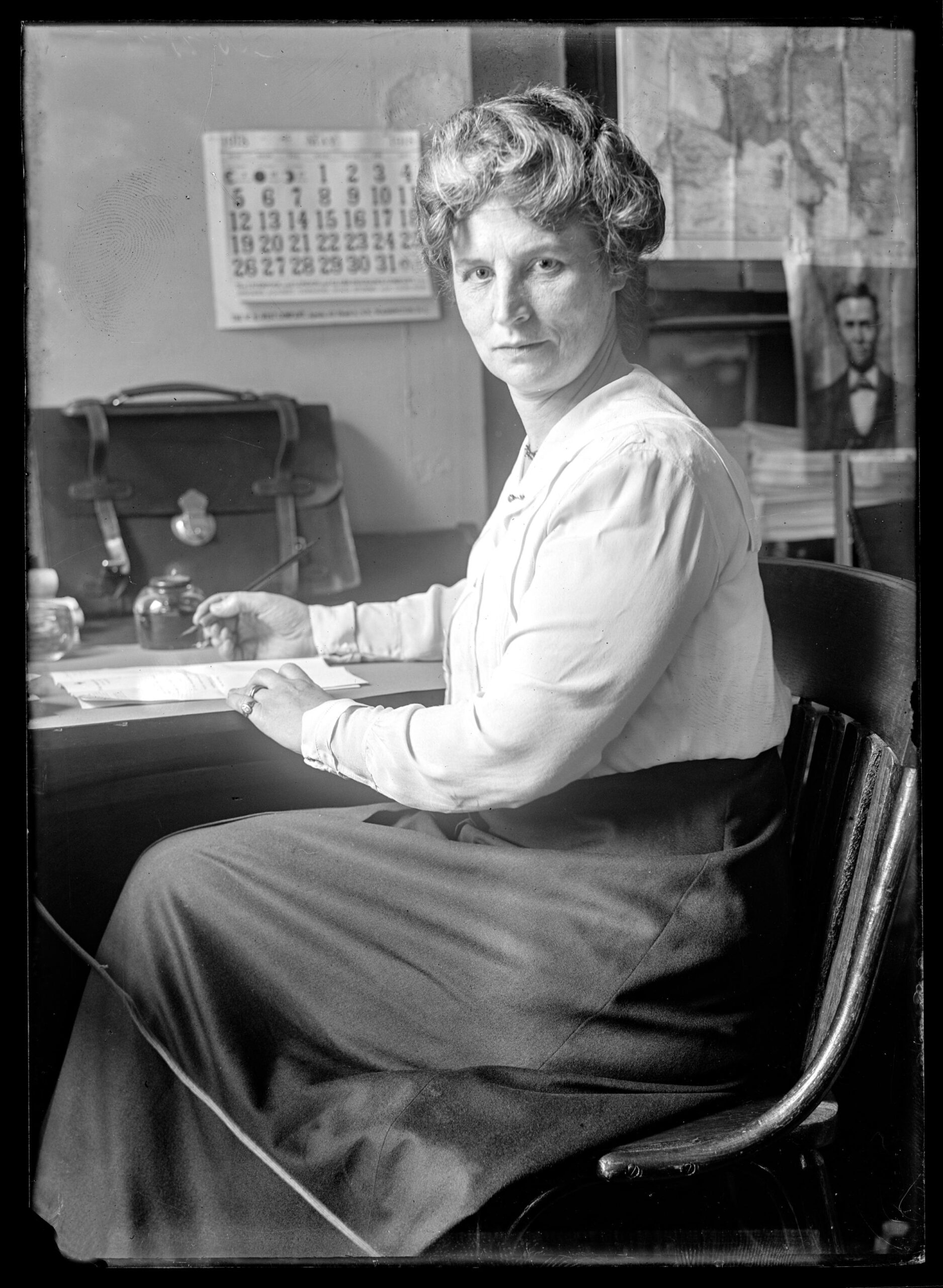
Lenah S. Higbee was a Canadian immigrant who became a Chief Nurse in the U.S. Navy during WWI. In 1899, she graduated New York Post-Graduate Hospital (now NYU Grossman). She worked in private practices for several years before enlisting in the newly formed U.S. Navy Nurses Corps, becoming one of the first “Sacred Twenty” women to serve in the U.S. Navy. In 1909, she was promoted to Chief Nurse at Norfolk Naval Hospital. In 1911, she was promoted to Superintendent, a rank she would hold until her retirement in 1922. In 1918, she was the first woman awarded the Navy Cross for distinguished service. The collection includes a 1926 manifest aboard Dominica showing her return home from a vacation in the Caribbean. 

James Stewart

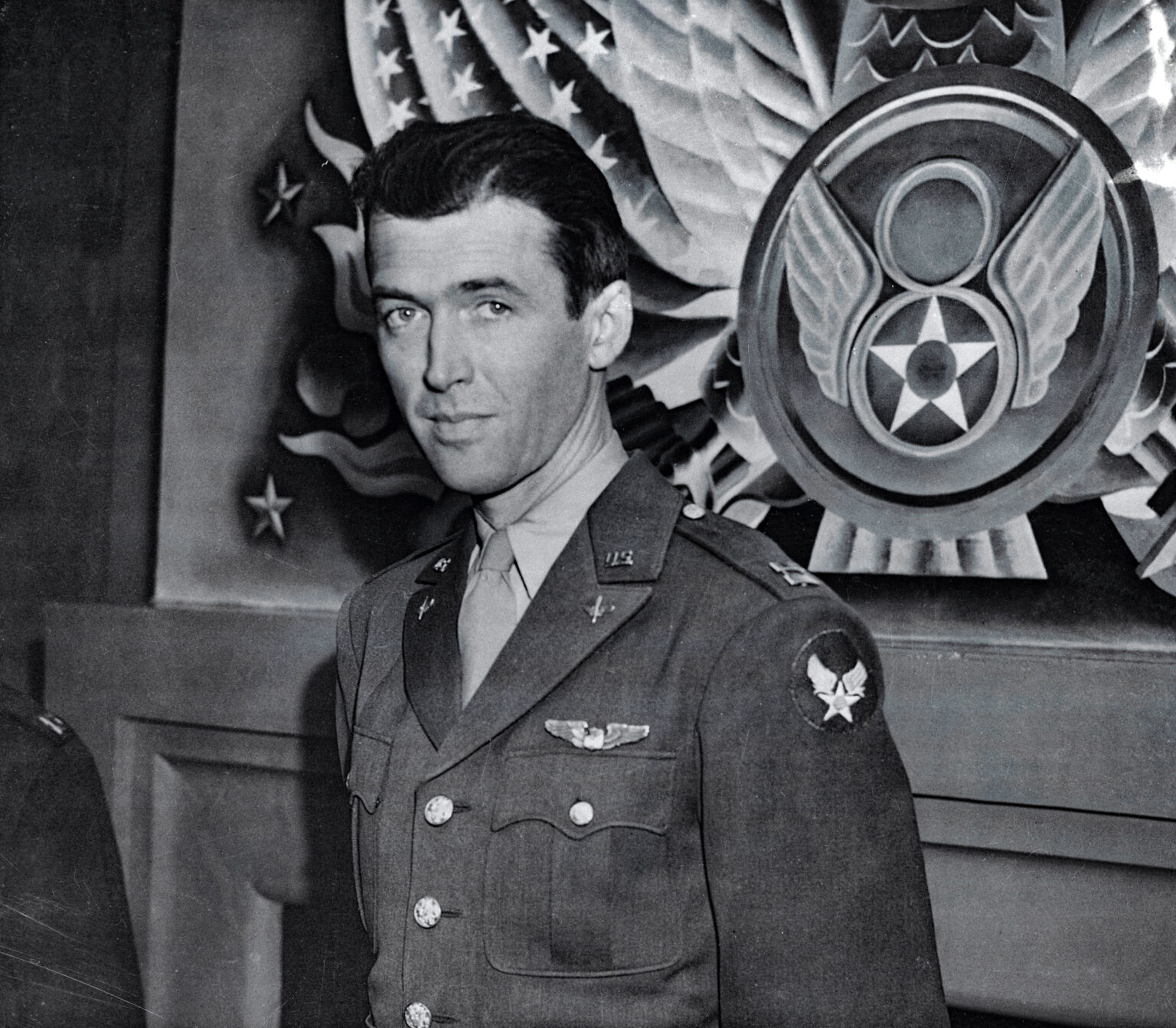
While many Hollywood stars joined the military, few made it to a second career. James Stewart enlisted in the U.S. Army in February 1941, months before Japan or Germany declared war. Stewart was the first Hollywood celebrity to enlist. His family was ethnically Scottish and had deep military roots. Stewart was already a licensed civilian pilot and was assigned to the Army Air Corps, the precursor to the Air Force. Concerned he would be relegated to non-combat roles, he demanded to be sent to the front lines. In all, Stewart flew in 20 combat missions over Germany, primarily in B-24 Liberator bombers. For his service he was awarded the Distinguished Service Medal, the Distinguished Flying Cross and the French Croix de Guerre. He remained in the Air Force Reserve post WWII and even flew observer missions in B-52’s during the Vietnam War, retiring as a Brigadier General.