By Aaren Rigor and Elena Woodruff

Comic Book Legends and Ellis Island Connections

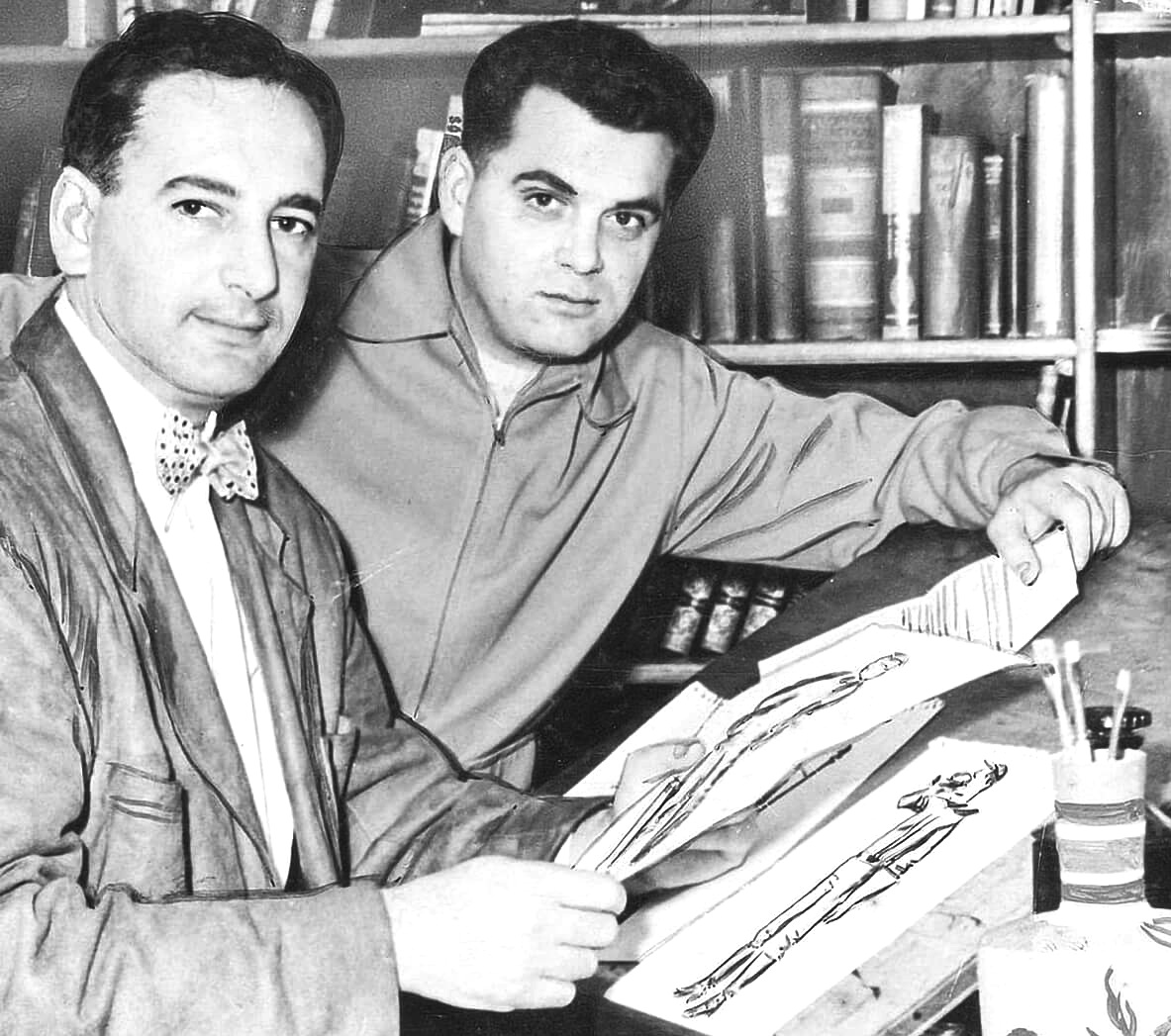
Image from the Library of Congress 

As The Amazing Adventures of Kavalier & Clay returns to the Metropolitan Opera for a limited time, our dedicated researchers at the Family History Center explored the family histories behind some of comic books’ most iconic figures including the creators of Spider-Man Captain America, the Marvel Universe, and more. 

Comic book storytelling has long reflected the immigrant experience. Beyond the capes and colorful panels are enduring themes of reinvention, resilience, and the pursuit of opportunity, all of which are powerful parallels to the journeys of those who passed through Ellis Island. Thanks to our incredible research time for uncovering the family stories of a few comic book legends. 

Jack Kirby and Joe Simon

Jack Kirby and Joe Simon created the iconic Marvel character, Captain America. Kirby, born Jacob Kurtzberg, was an innovator of the comic industry. He was born in New York to Austrian-Jewish immigrant parents; his father, Bendel Kuzbech, arrived in New York aboard the S.S. Potsdam, in 1907. He taught himself how to draw as a child and began working on newspaper comic strips for the Lincoln Newspaper Syndicate in 1936. Joe Simon was born in Rochester, New York. His father arrived in New York from England aboard the S.S. Ivernia, in 1886. After graduating from college, Simon worked for Rochester Journal-American as an assistant to the art director. A few years later, he moved to New York City and worked freelance for Paramount Pictures. During this time, Simon and Kirby met for the first time. The duo were hired by Timely Comics (later Marvel), where they created Captain America. 
Copyright: 2020 Heritage Auctions

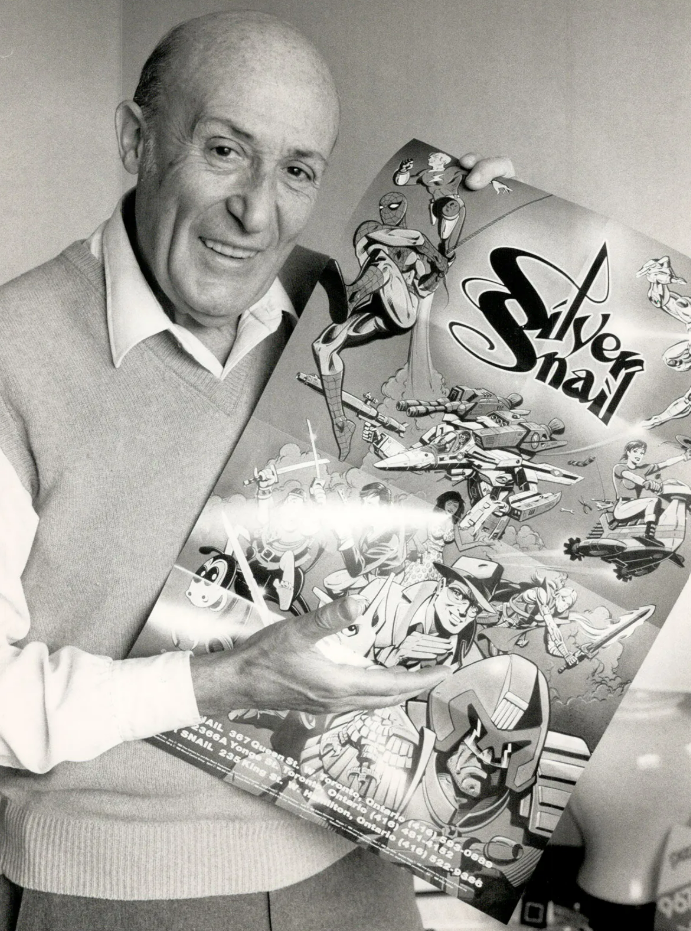
Will Eisner

Born in 1917 to Jewish immigrant parents and raised in Brooklyn, Will Eisner would be enamored by pulp magazines and avant-garde films. He started working at the age of 13 because of the Great Depression as a newspaper salesman. In high school, he was contributing illustrations to his school newspaper, magazines, and stage design before attending the Art Students League of NY. He created a comic book production company with Jerry Iger, later selling his stake in the company to create The Spirit comic which would run for 12 years during The Golden Age of Comics before being drafted for WWII in 1942. In the late 1970s he would pioneer the graphic novel, a longer illustrated storytelling form with A Contract with God: and other Tenement Stories.  

His father, Samuel Eisner, immigrated into the United States in 1906 aboard the SS Umbria and an artist like his son, he was painting murals and churches in Kolomyia, and upon arriving painted backdrops for theaters as a means for work. 

Frank Lennon—Toronto Star/Getty Images

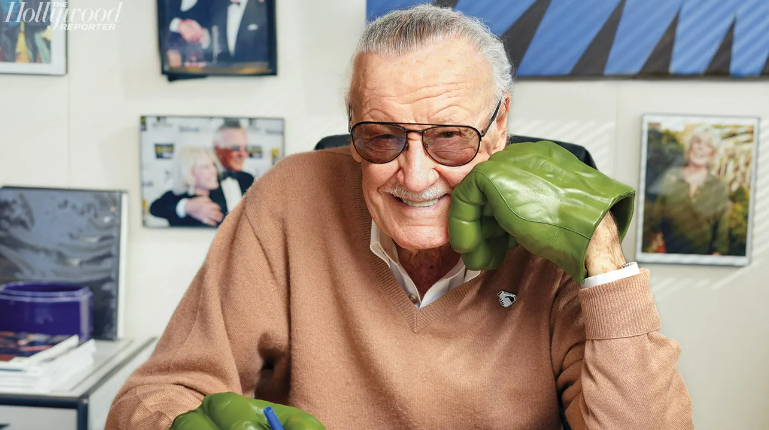
Stan Lee

Stan Lee was an American comic book writer and editor, and was the former president and chairman of Marvel Comics. Lee (born Stanley Martin Lieber) co-created famous comic book characters such as Spider-Man, the Fantastic Four, the X-Men, and Daredevil. As a prominent spokesperson for Marvel, Lee made cameo appearances in numerous Marvel productions. Lee’s parents both emigrated from Romania, with his father Jack departing from Rotterdam aboard the Nieuw Amsterdam in 1906. 

Martin Schoeller // The Hollywood Reporter

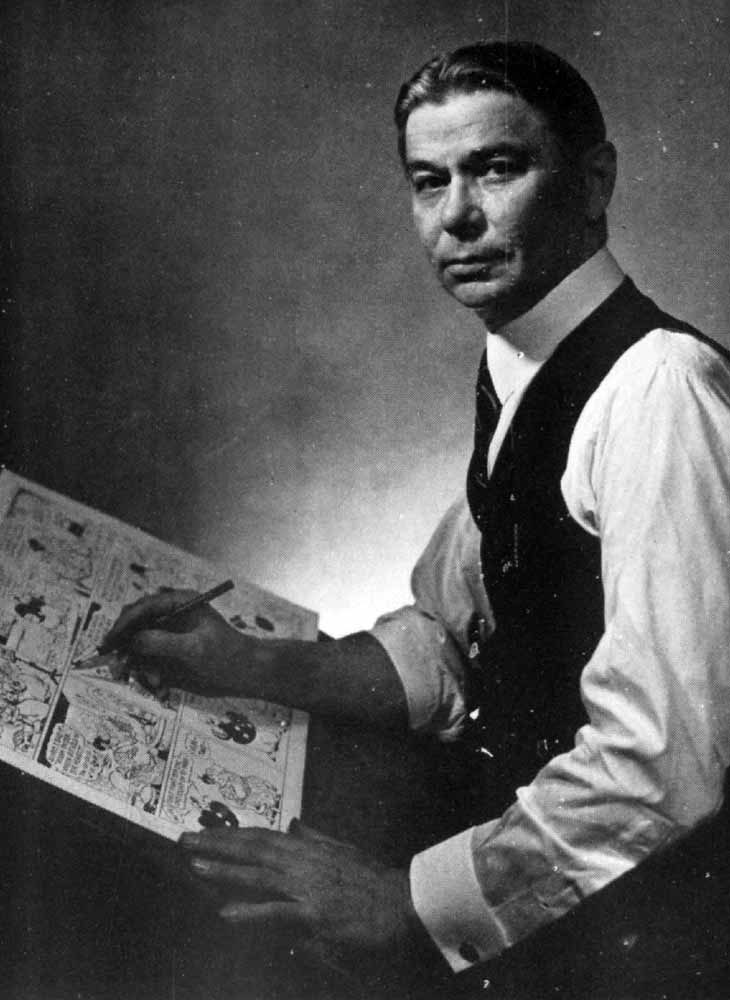
Rudolf Dirks

Long before Marvel or DC, newspapers were the primary source for viewing comic “strips.” In 1897, German immigrant Rudolf Dirks debuted his strip, The Katzenjammer Kids in the New York Journal. This comic strip is still running in syndication today. Dirks immigrated with his family from Heide, Germany in 1884 aboard the ship PolariaThe family initially settled in Illinois. After serving in the Spanish-American War, Dirks lived in the New York Metropolitan area for the remainder of his life. In 1914, Dirks created another strip, The Captain and the Kids.  

Image by Kjell Knudde

We celebrate their stories and encourage everyone to visit our Passenger Search database HERE to find out more about your own family’s legacy. Special thanks to our team at the Family History Center.