By Hana Greif

American Royalty

Dear Torch readers,

My name is Hana Greif, and I served as an intern at the Family History Center this summer. As the film awards season is upon us, I wanted to share more about my independent research that examines the intersections between Ellis Island and American conceptions of celebrity, employing as a case study the Black and White Ball held by Truman Capote in 1966. This post complies a summary of my findings, featuring the immigration histories of several stars on Capote’s exclusive guest list.

The Evolution of Celebrity Culture

Truman Capote's Black and White Ball

In February 1892, one month after Ellis Island opened its doors to thousands of soon-to-be Americans, New York socialite Ward McAllister published a list of 313 guests deemed worthy of invitation to Mrs. William Astor’s exclusive party. The Four Hundred, as the list was called, defined America’s postbellum high society: a space of known surnames, bankers, and inherited wealth. 

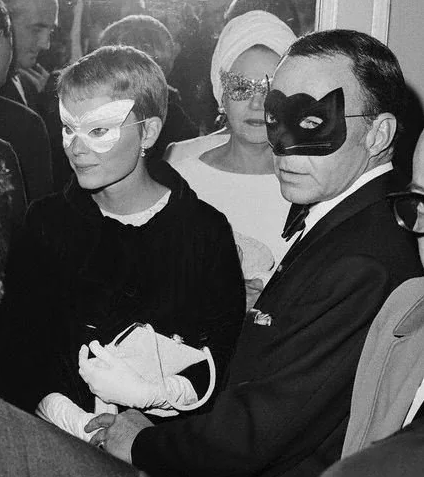
Just under 75 years later, author Truman Capote hosted his Black and White Ball at the Plaza Hotel. Remembered to this day as “the party of the century,” Truman’s 1966 bash boasted glamor and opulence to rival any Astor party. The guests, however, could not have been more different. 

Capote curated an international “It” list of artists, performers, politicians, and friends, of which The New York Times estimated only two percent would have been accepted into Mrs. Astor’s ballroom. Capote’s guests were largely bohemians, their money (though certainly plentiful) was recently acquired, and many were new to the United States.

The Black and White ball ushered in a new era of celebrity which, if no less exclusive than the last, reflected increasing diversity amongst American public figures. 

Read on for the immigration stories of several familiar guests and invitees. Together, their family journeys chart a shift in American conceptions of fame and prestige during the years that millions immigrated through Ellis Island. 
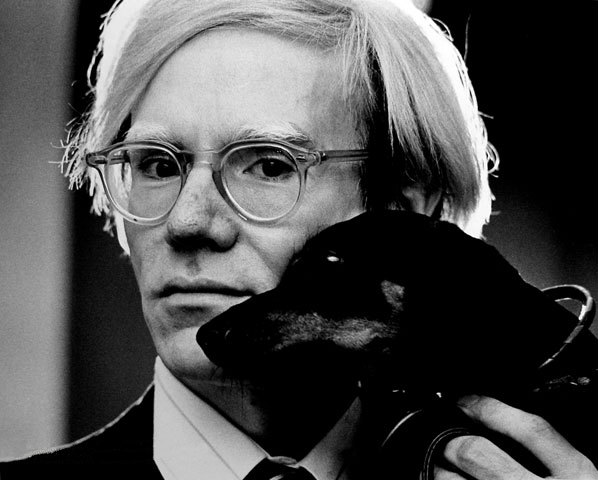
Andy Warhol

Andy Warhol, avant-garde artist and pioneer of the twentieth-century Pop Art movement, exemplifies the new notion of celebrity curated by Capote. In his autobiography, Warhol recalls feeling like a “nobody” amidst the glamour and sophistication of the Black and White Ball. Raised in Pittsburg, Pennsylvania by parents from Mikova, Czechoslovakia, Warhol defied the Astor ideals of title and inherited wealth. His father Andrej Varhola immigrated to the United States in 1912, and his mother Ula joined her husband via the S. S. Celtic in 1921. The couple settled in Pennsylvania, where Andy was born in 1928.  

Warhol was fascinated by Capote’s work from a young age, penning letters to the author from his childhood home in Pittsburg and titling his first solo exhibition “Fifteen Drawings Based on the Writings of Truman Capote.” Capote and Warhol first worked together in 1969, when Capote commissioned a portrait in exchange for a column in Warhol’s Interview Magazine. Although Warhol and Capote drifted in the following decades, their 1960s friendship demonstrates Capote’s capacity to bridge aristocratic and bohemian circles. 

Frank Sinatra

Frank Sinatra was among the most famous of Capote’s guests. The singer was born in New Jersey in 1915 to Italian immigrants Antonio and Natalina Sinatra. Natalina, born Natalina Garaventa, moved to the United States from Genoa as an infant. Antonio was born in Naples and immigrated to New York on the S. S. Citta di Milano in 1903. He arrived at nine years old with his mother Rosa and his sisters Angela and Dorotea. Frank’s paternal grandmother Rosa is listed with her maiden name of Saglimbeni on the ship manifest showna common practice amongst Italian women traveling without their husbands. 

Raised in an Italian Catholic community in Hoboken, Frank identified closely with his heritage on personal and professional levels. He incorporated Italian language into his music and performed for several Italian politicians, becoming an icon of Italian-American culture in the twentieth century. 

Harry Belafonte

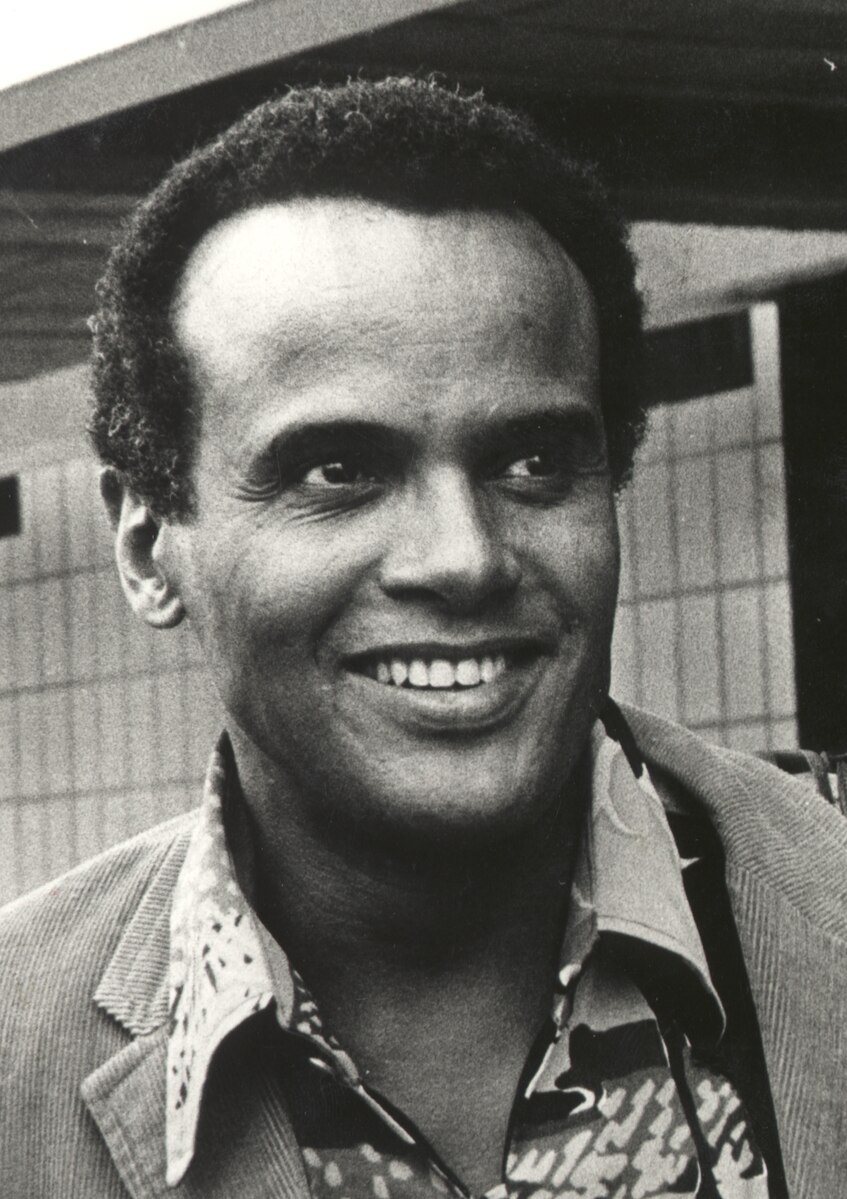
Harry BelafonteJamaican-American singer and civil rights activist, popularized calypso music in mainstream American media with hits such as “DayO (The Banana Boat Song)” and “Jump in the Line (Shake, Senora).” Belafonte’s parents Melvine and Harold emigrated from Kingston, Jamaica before meeting and marrying in the United States. Harold worked as a ship crew member, passing through the port of New York several times in the 1910s and 20s.

Melvine Belafonte, born Melvine Love, immigrated to the United States on the S. S. Princess May in 1923. She was 19 at the time, working as a dressmaker in Kingston and moving to join a sister who already lived in New York. Melvine and Harold married in 1926, and their son Harry was born in Harlem the following year. Harry himself moved to Jamaica in 1932, where he lived briefly with his grandmother and absorbed Carribean musical forms. Upon returning to New York City for high school, he was exposed to the American music and theater industries, upon which he forged his career of performance, activism, and philanthropy. 

Serge Obolensky

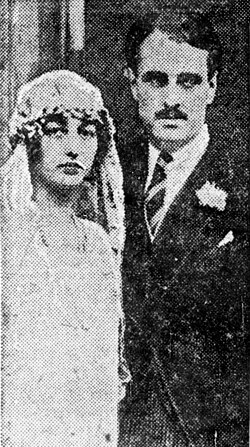
From prince in Tsarist Russia, to American military colonel, to vice chairman of Hilton Hotels, Serge Obolensky donned many hats throughout his life. He fled to London after the Bolshevik Revolution, where he met and married his second wife Ava Alice Astor, granddaughter of Mrs. William Astor.

The couple immigrated to New York on the S. S. Berengaria in 1925 with their son Ivanplanning to meet Alice’s brother in New York City. Ironically, because Serge and Ava divorced before the Black and White Ball, the Astor heiress was left uninvited from New York’s most exclusive twentieth-century ballroom. Although in his 70s by the time of Capote’s party, Serge remained an active member of New York City’s high society. 

Greta Garbo

Although she did not attend Capote’s ball, Swedish-American silent film star Greta Garbo appeared in the invitee list published by The New York TimesShe and Capote met through their mutual friends Charlie Chaplin and Oona O’Neill during one of Capote’s visits to Los Angeles. Garbo was born in an impoverished district of Stockholm, Sweden in 1905. She dropped out of school at age 14, working a series of jobs before studying at Stockholm’s Royal Dramatic Theatre. 

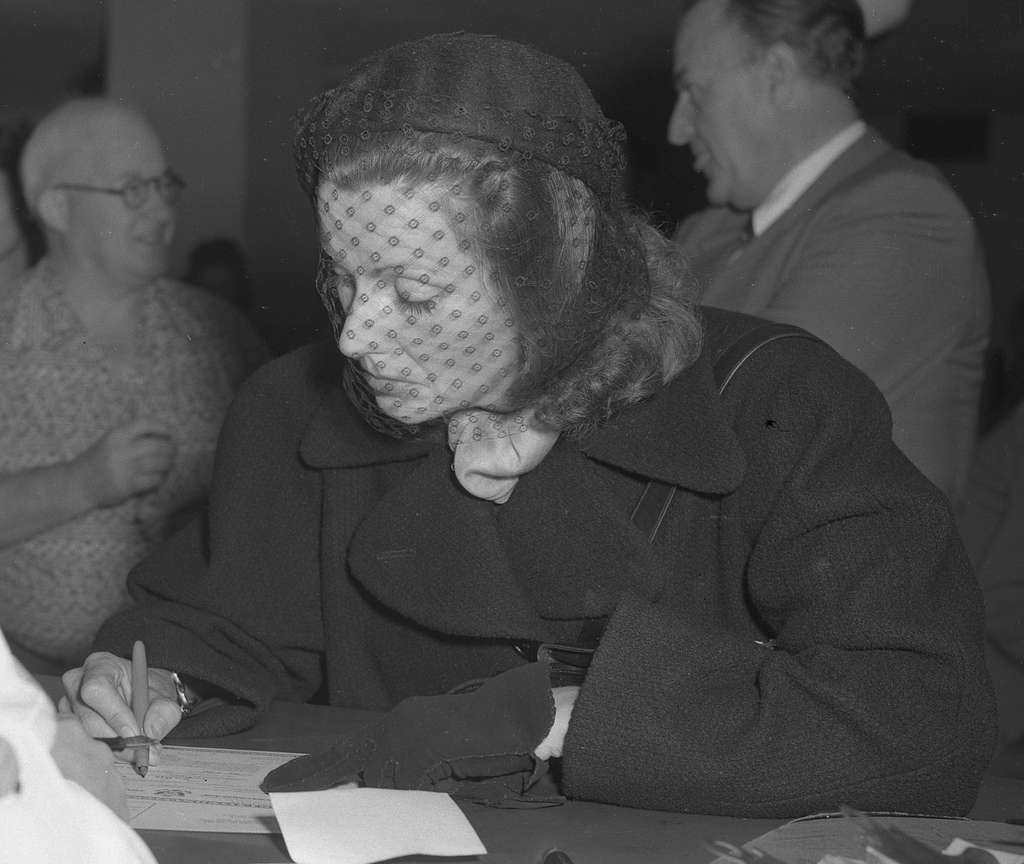
She first journeyed to the United States on the S. S. Drottningholm in 1925, working for three months with Leon-Mabro-Goldwyn Film Corp. in New York City. Garbo returned through the port of New York several times before her naturalization as a U.S. citizen; the photo above captureher signing naturalization documents in 1950. Notoriously a recluse, Garbo declined her invitation to Capote’s so-called “party of the century, but her celebrated name still embellished the guest list. 

Los Angeles Times Photographic Collection, UCLA