The Evolution of Celebrity Culture
Truman Capote's Black and White Ball
In February 1892, one month after Ellis Island opened its doors to thousands of soon-to-be Americans, New York socialite Ward McAllister published a list of 313 guests deemed worthy of invitation to Mrs. William Astor’s exclusive party. The Four Hundred, as the list was called, defined America’s postbellum high society: a space of known surnames, bankers, and inherited wealth.
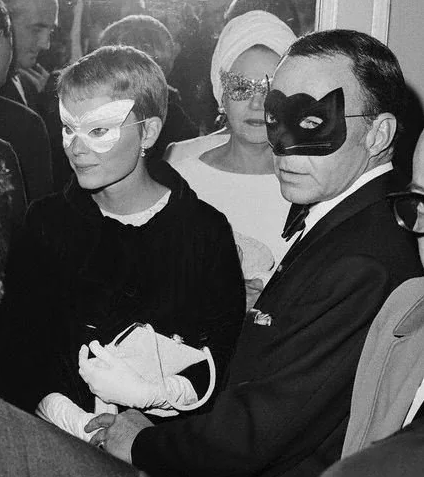
Just under 75 years later, author Truman Capote hosted his Black and White Ball at the Plaza Hotel. Remembered to this day as “the party of the century,” Truman’s 1966 bash boasted glamor and opulence to rival any Astor party. The guests, however, could not have been more different.
Capote curated an international “It” list of artists, performers, politicians, and friends, of which The New York Times estimated only two percent would have been accepted into Mrs. Astor’s ballroom. Capote’s guests were largely bohemians, their money (though certainly plentiful) was recently acquired, and many were new to the United States.
The Black and White ball ushered in a new era of celebrity which, if no less exclusive than the last, reflected increasing diversity amongst American public figures.
Read on for the immigration stories of several familiar guests and invitees. Together, their family journeys chart a shift in American conceptions of fame and prestige during the years that millions immigrated through Ellis Island.