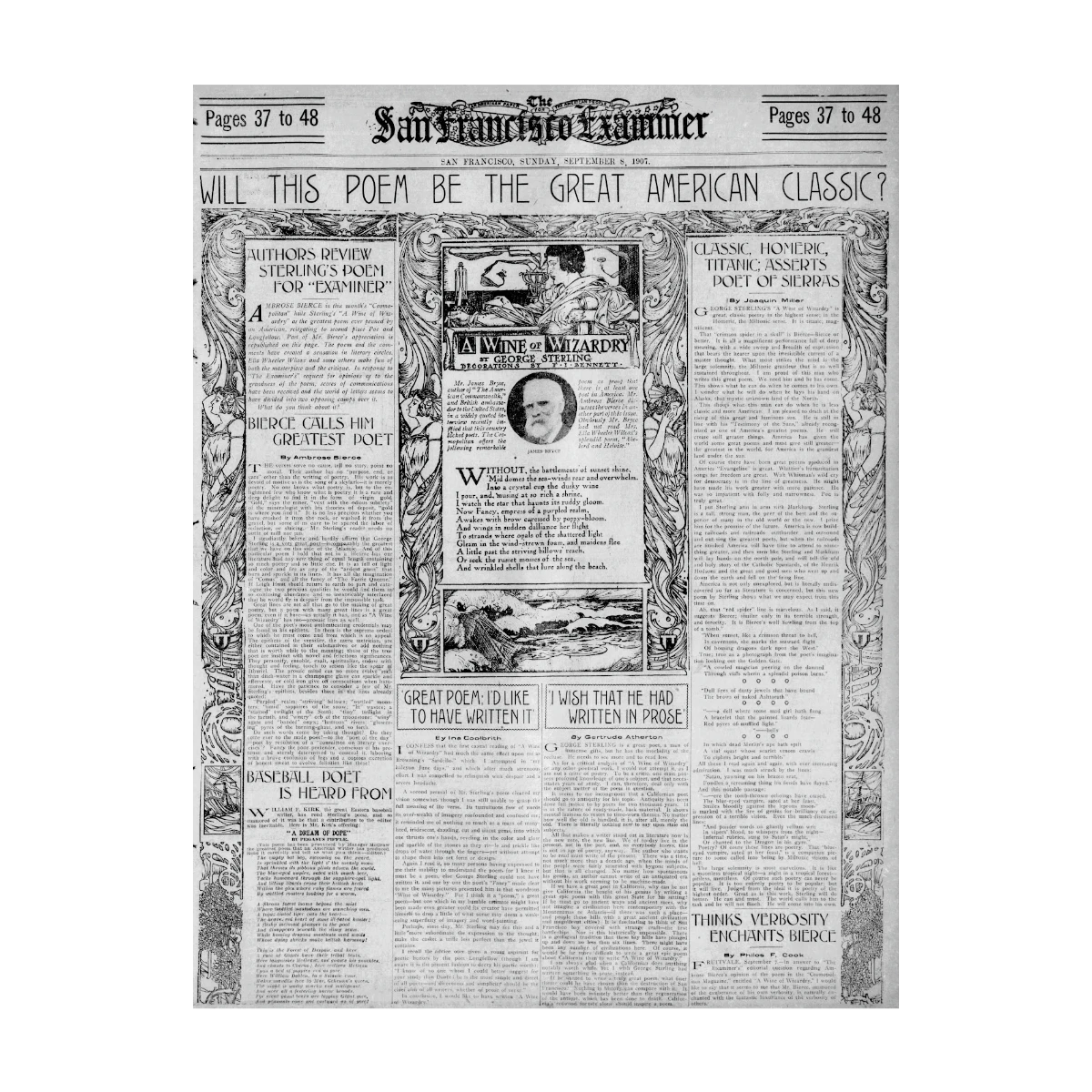
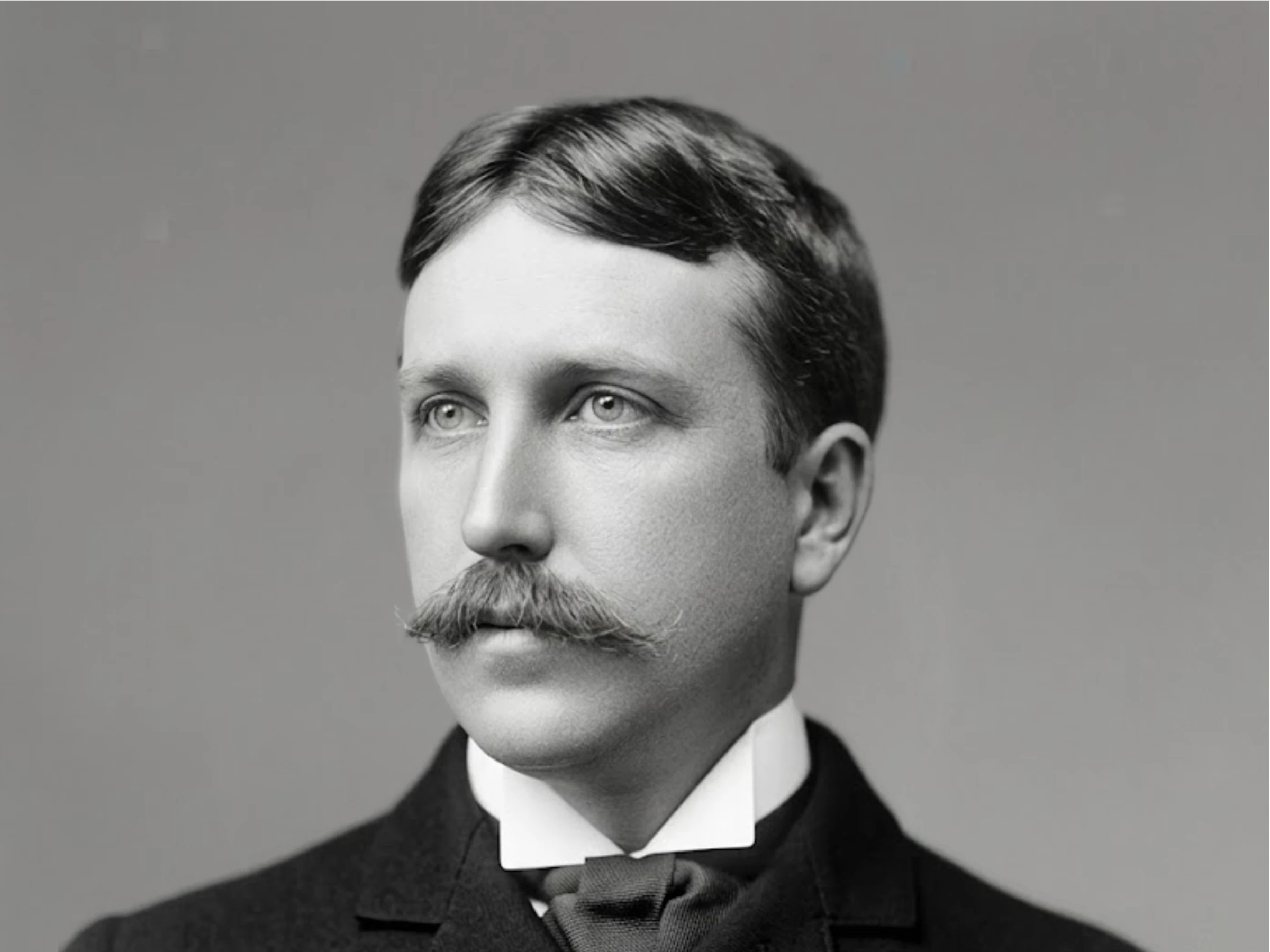
1887: William Randolph Hearst took ownership of the San Francisco Examiner, the first newspaper in what would become today’s modern, diversified Hearst Corporation.
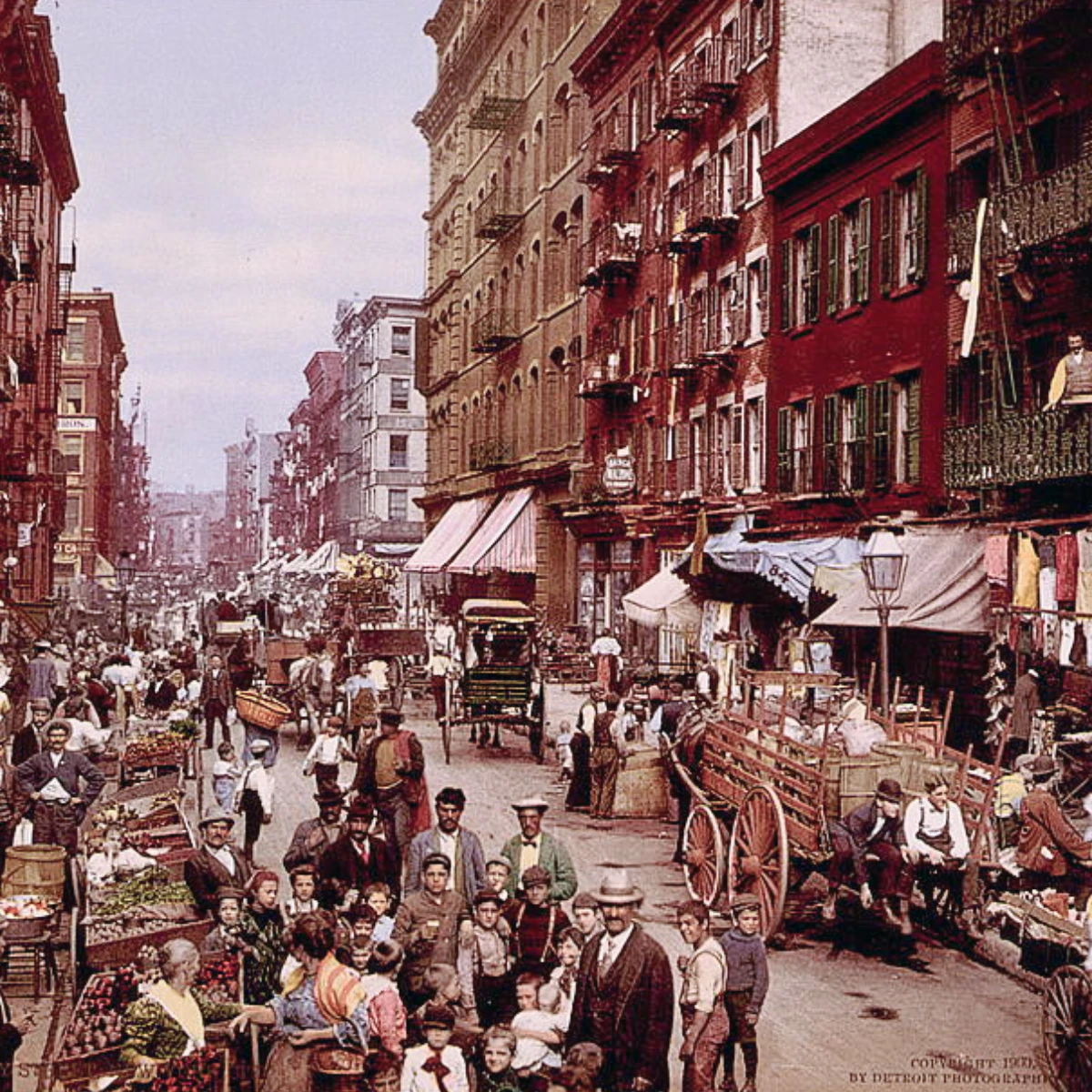
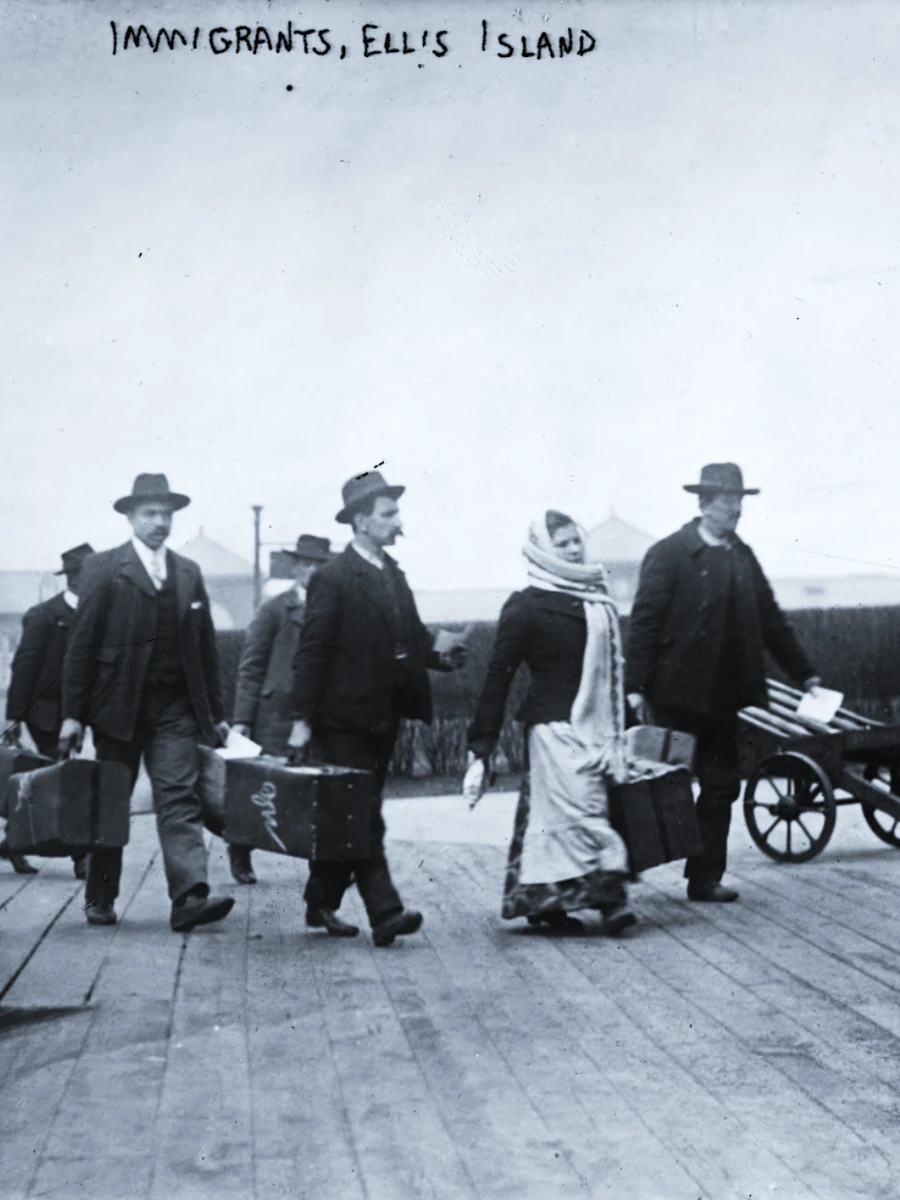
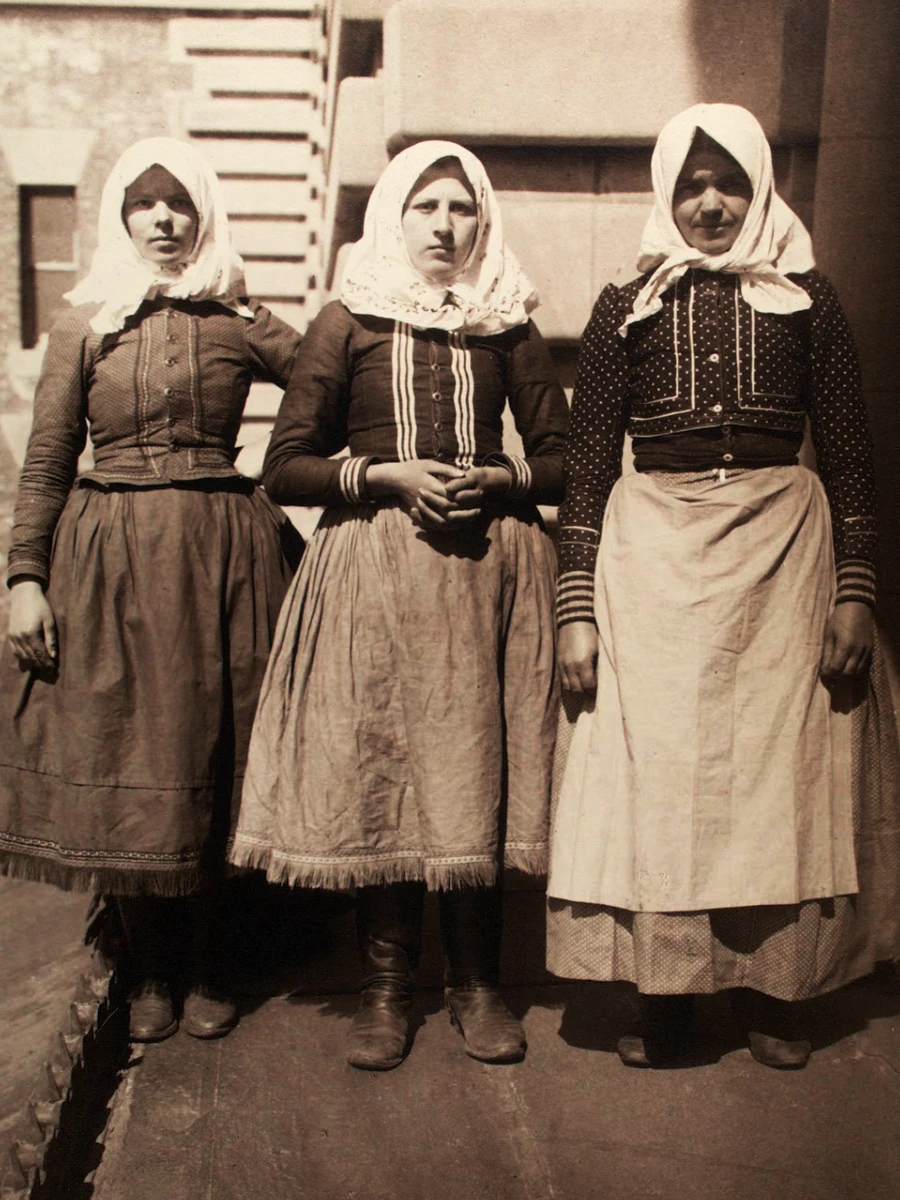
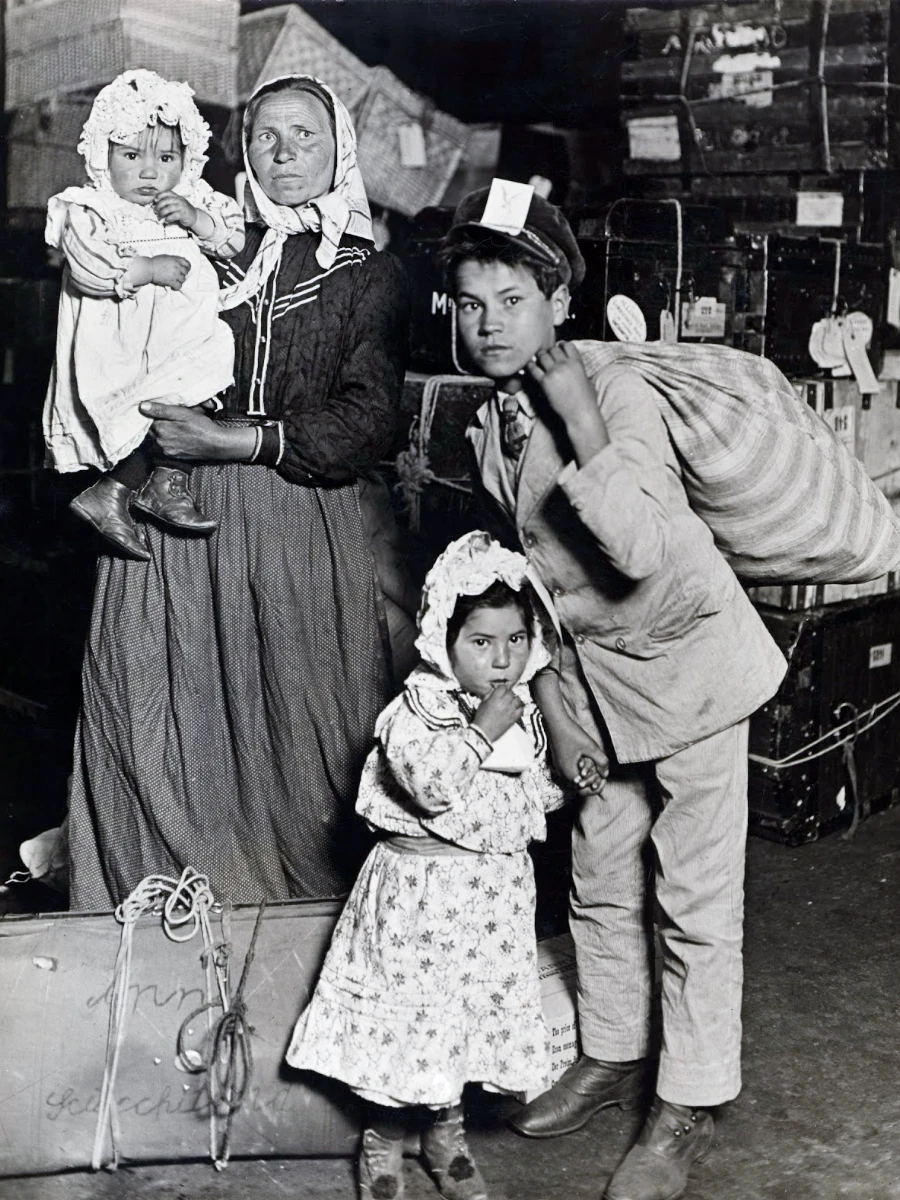
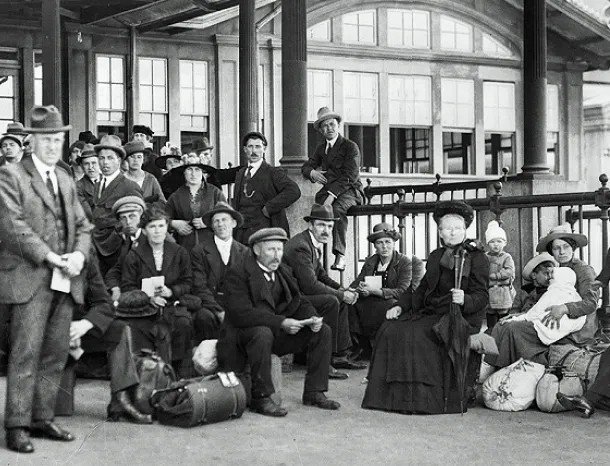
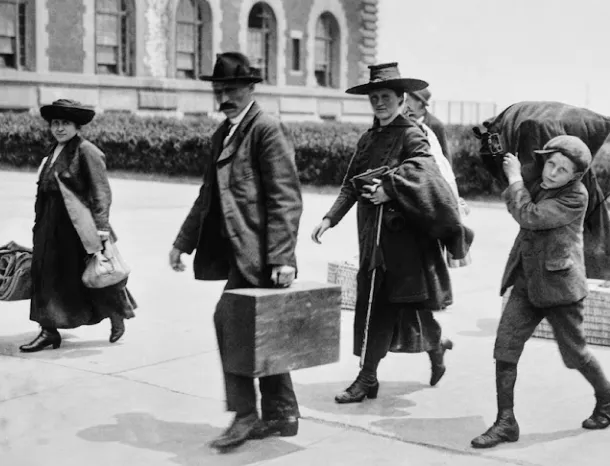
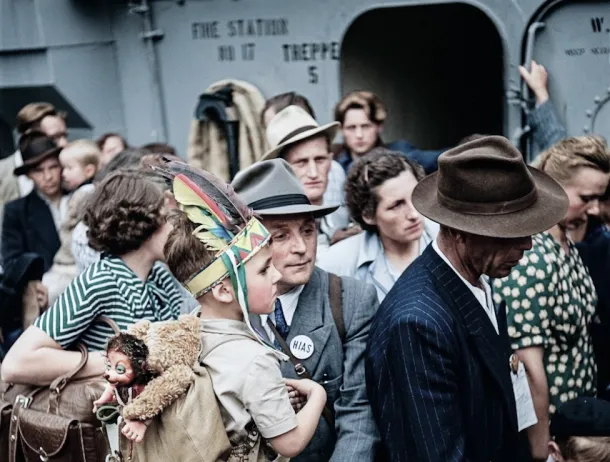
The Industrial Revolution was transforming the nation, as was the arrival of immigrants from around the world seeking opportunity and belonging. From these new Americans came energy, perspective and promise. They were fast becoming a vibrant and integral part of a still-developing country.
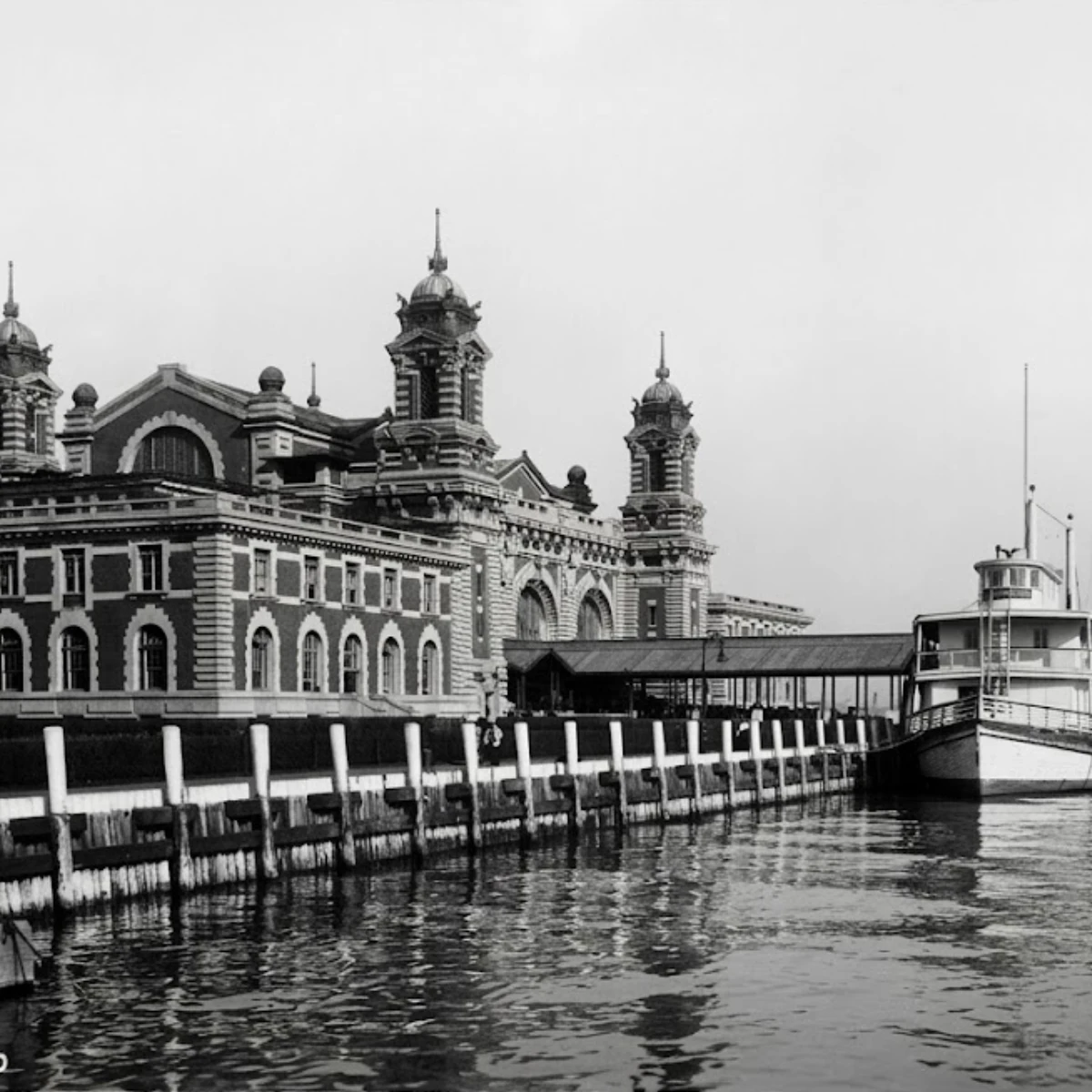
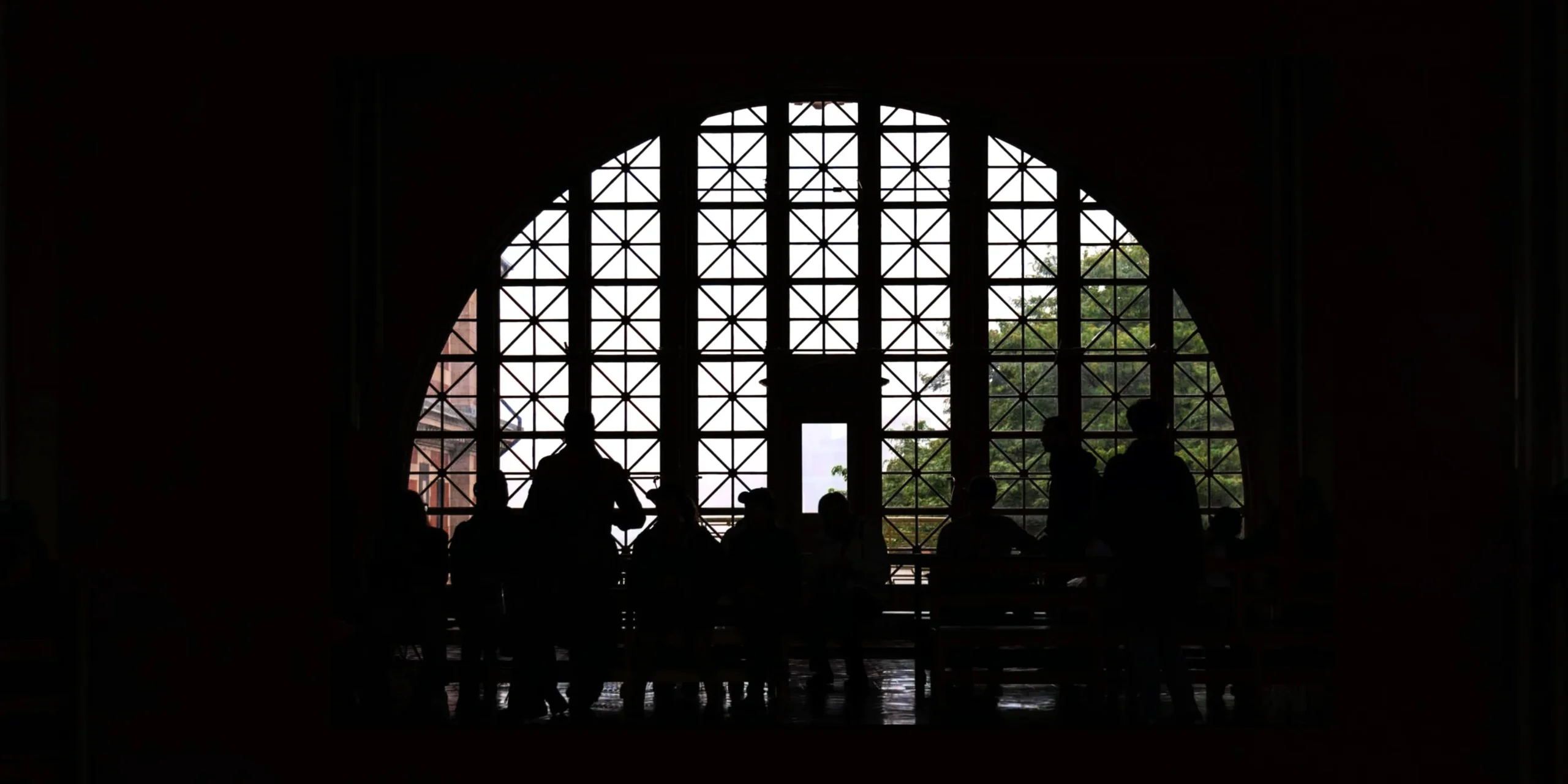
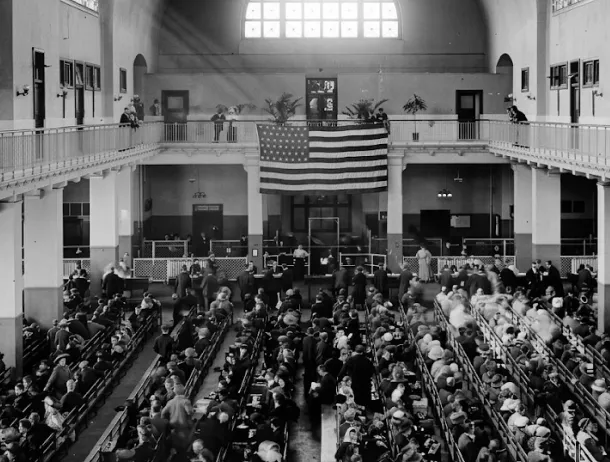
1892: Ellis Island opened its doors in New York Harbor.
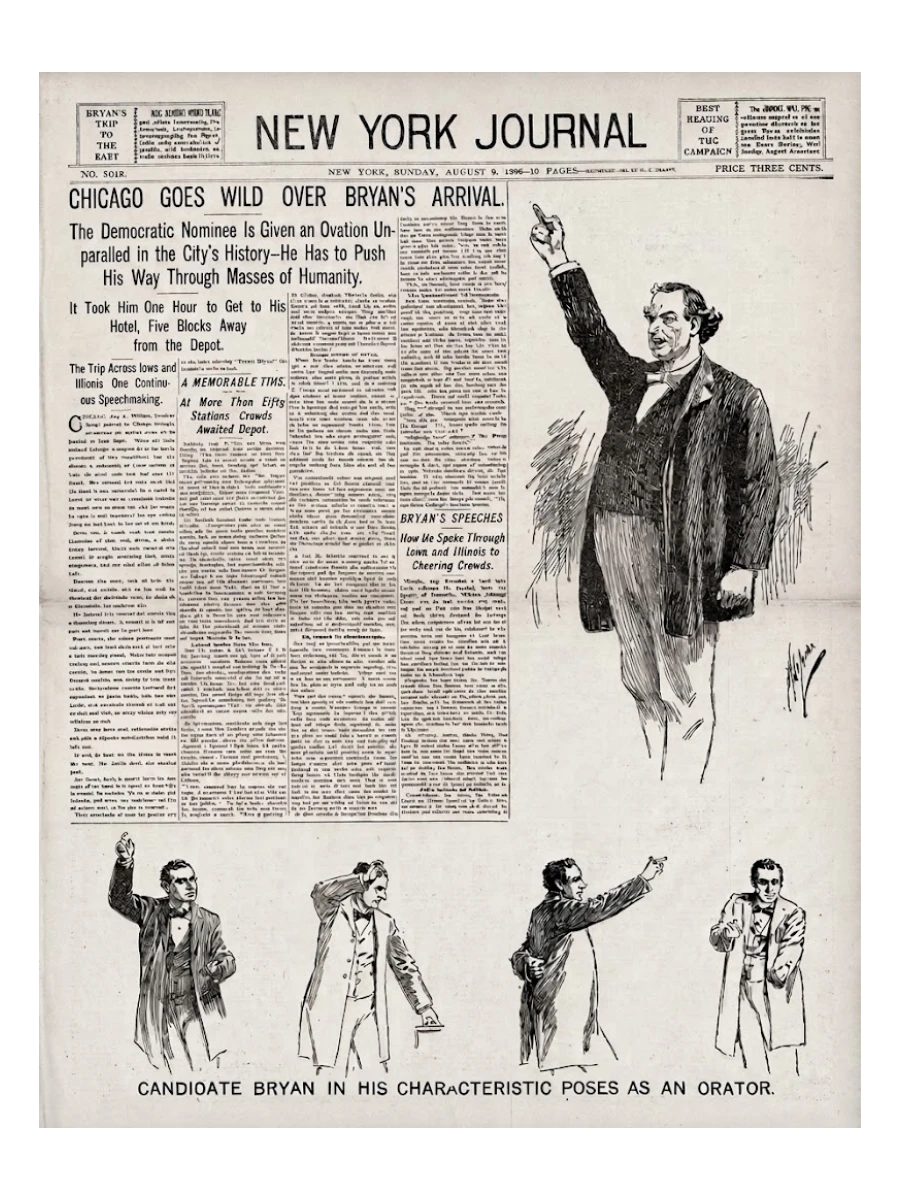
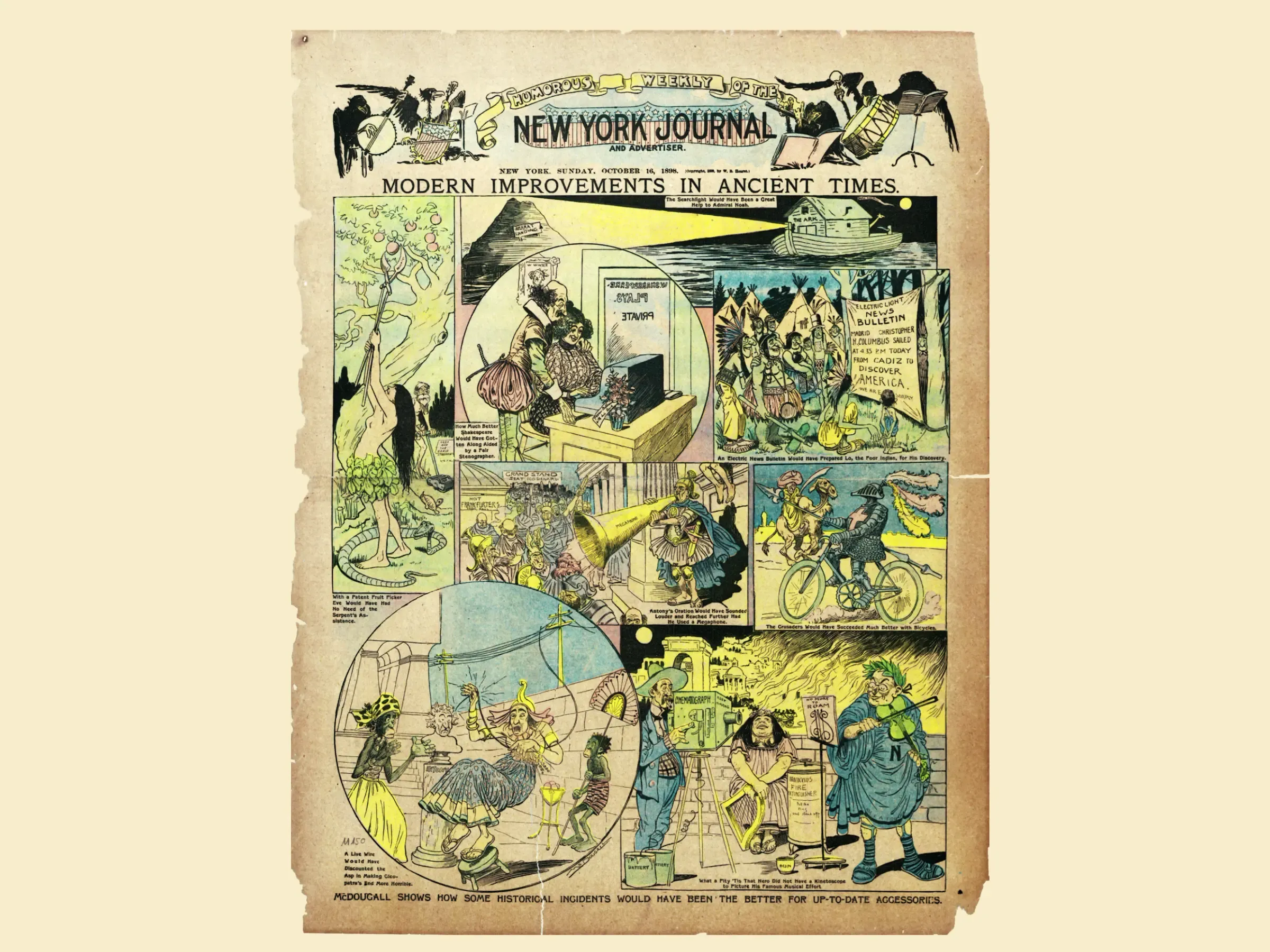
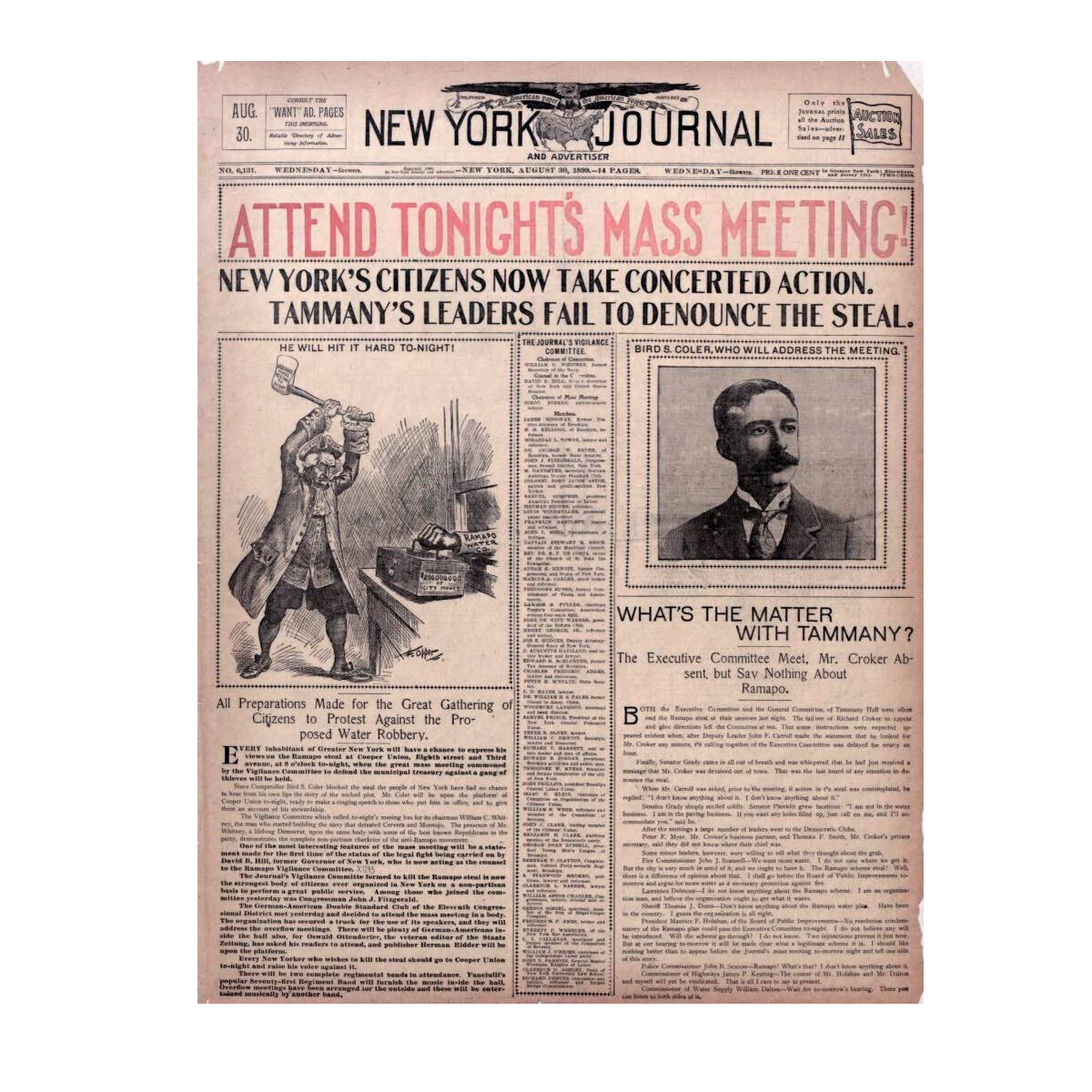
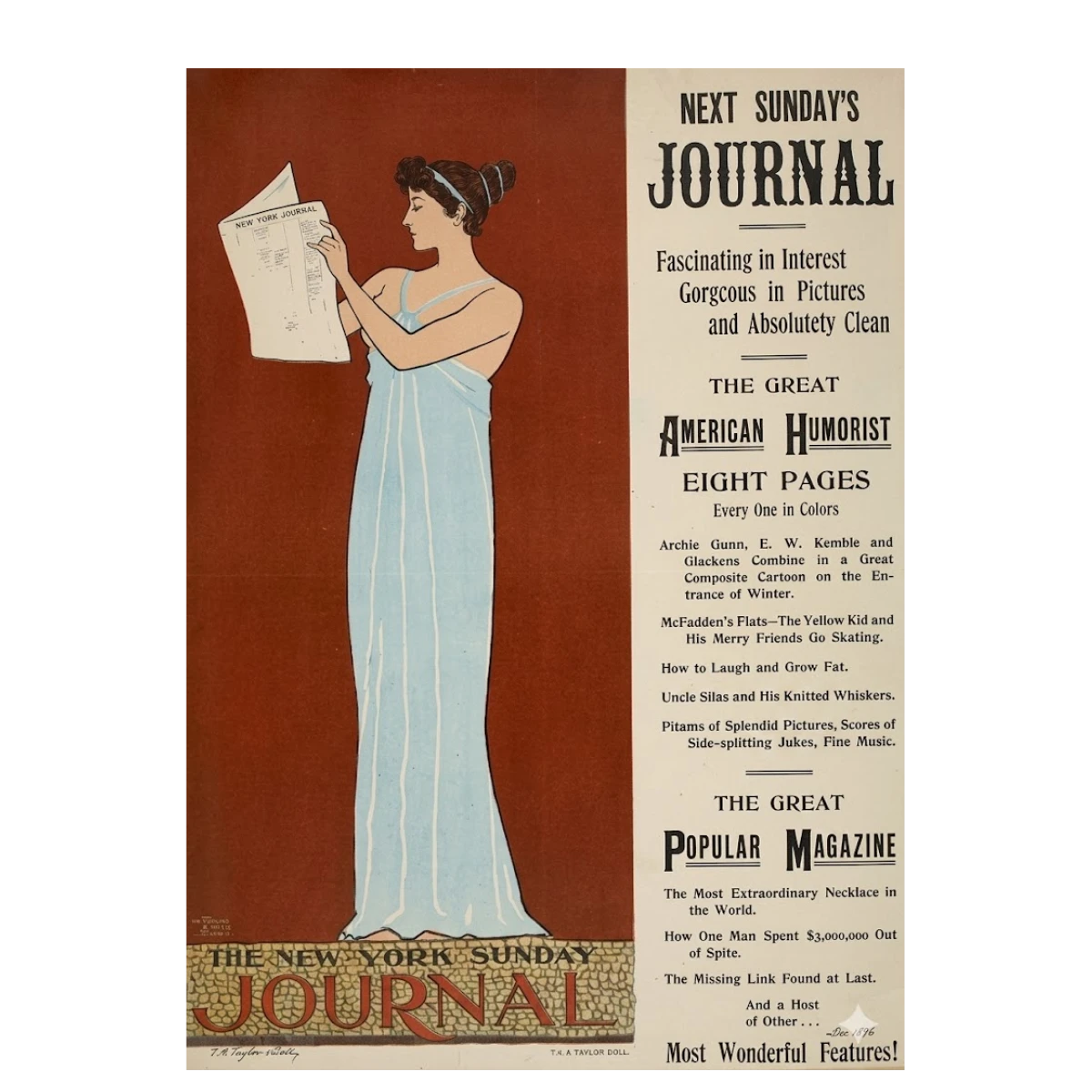
Not long afterwards, Hearst’s own journey took him to New York, where his New York Journal debuted in 1895.
Like the Examiner on the West Coast, the New York Journal and its companion, the Evening Journal, were written and produced to “appeal to the people.” They embraced global reporting and human-interest storytelling, shared in accessible formats, reflecting the experiences of readers balancing long shifts in factories and shops.
The growing working class, composed in large part of new immigrants, responded enthusiastically to this style of reporting. Hearst’s newspapers emerged as pioneering examples of a new direction in journalism, one that would empower a wider audience with important news and information.
Today: Honoring the Journey. Supporting the Legacy.
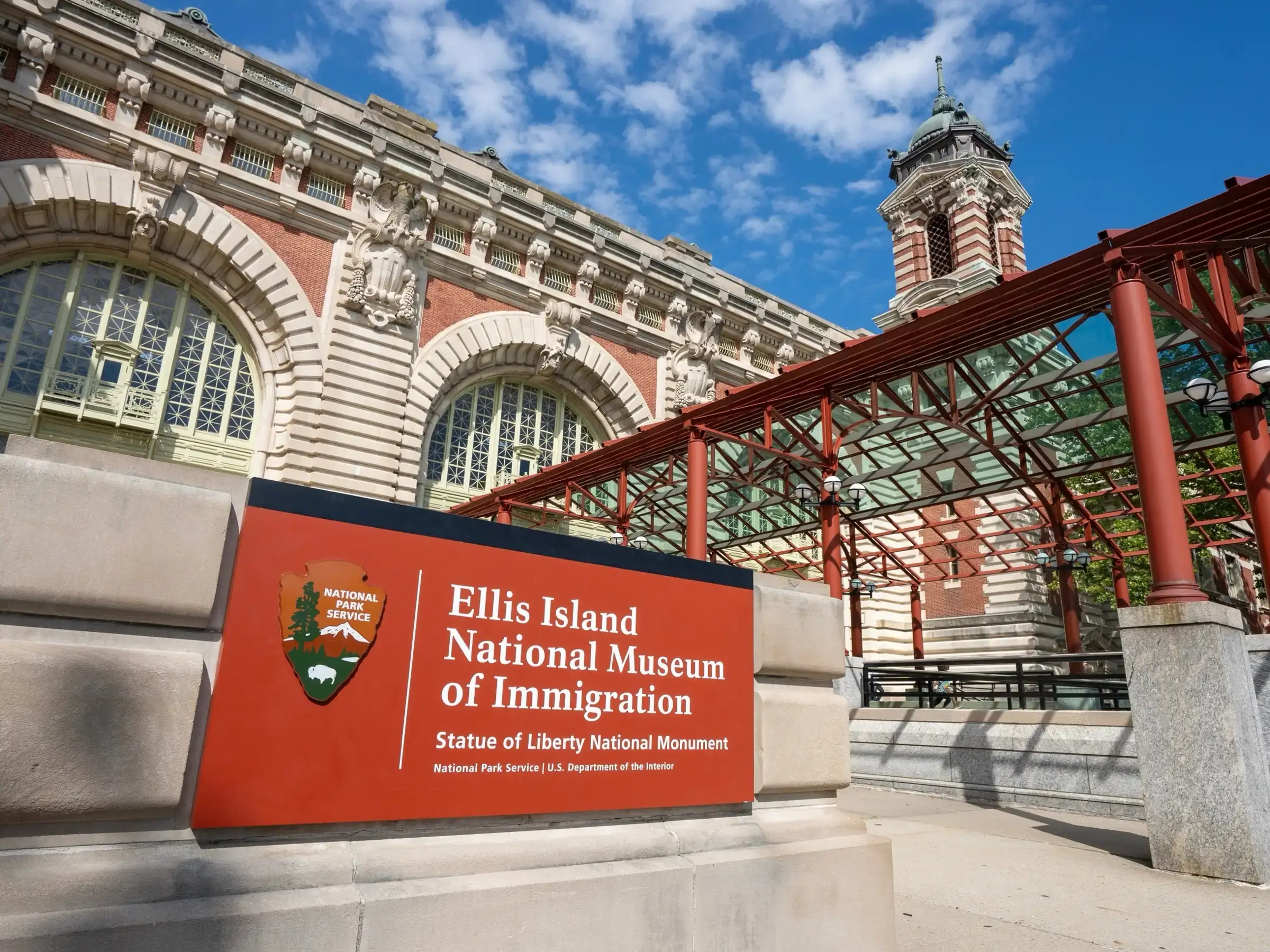
Today, the legacy of the Hearst Corporation’s early years lives on in the organization, which colleagues from myriad cultures helped shape. The Hearst Foundations are proud to support the Ellis Island National Museum of Immigration—a place where millions of journeys began, and where the American story continues to unfold. We honor those who passed through this historic gateway and the generations they inspired.
Are you sure you want to remove this product from the cart?
(Note: If you remove the inscription the associated certificate will also be removed from the cart.)
You are requesting to delete all personal identifiable information (PII) held by The Statue of Liberty - Ellis Island Foundation. This includes all records related to you, including but not limited to donor registries, online publications, museum interactive content, digital mementos, and other data within our databases and systems.
Please be advised that once the deletion is completed, the data will be permanently erased and will no longer be accessible. This process is comprehensive and irreversible. However, you may at any time resubmit your PII to the Foundation and establish a new record.
Do you want to proceed with this deletion request?
Your deletion request has been submitted. The Foundation will contact you within 3-5 business days.