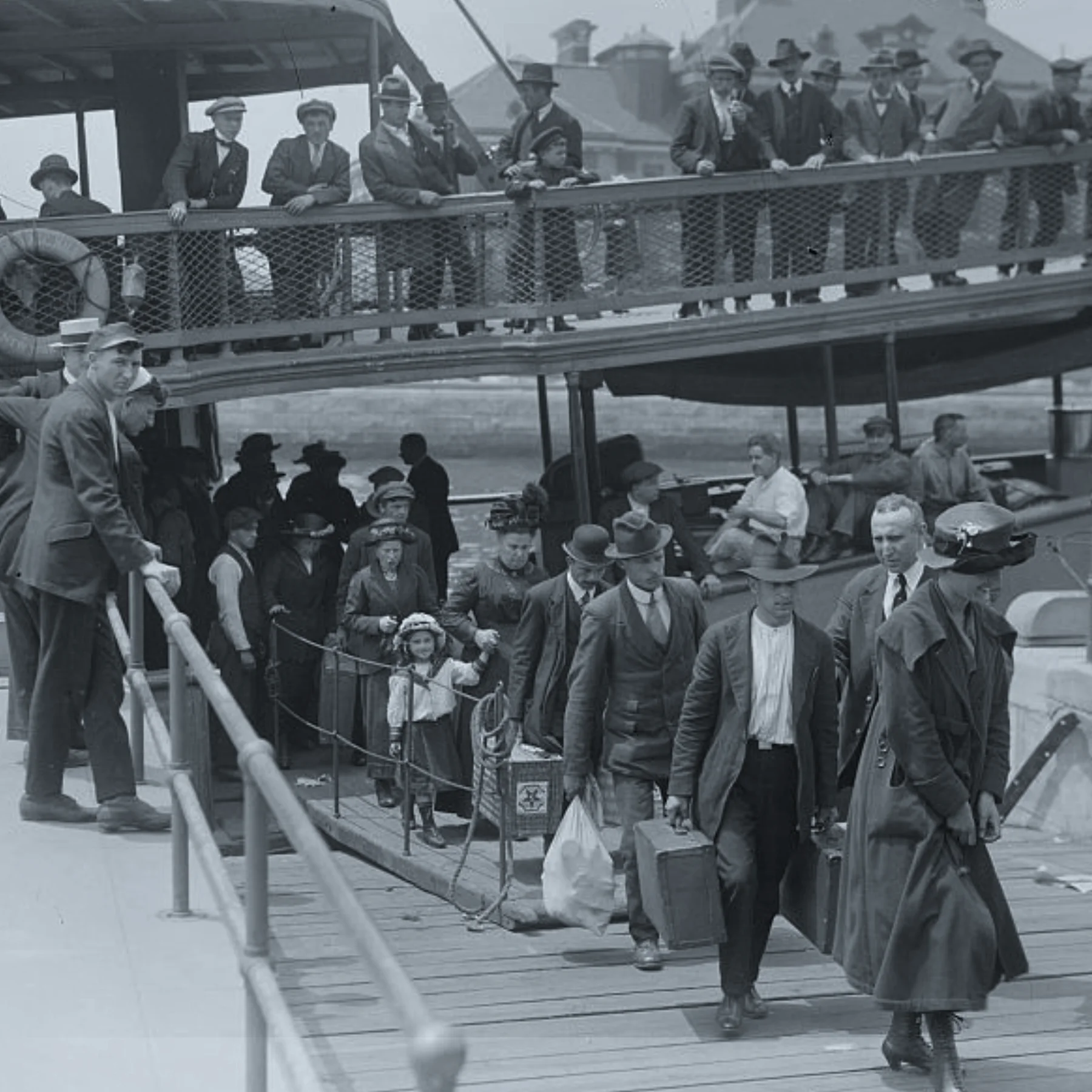
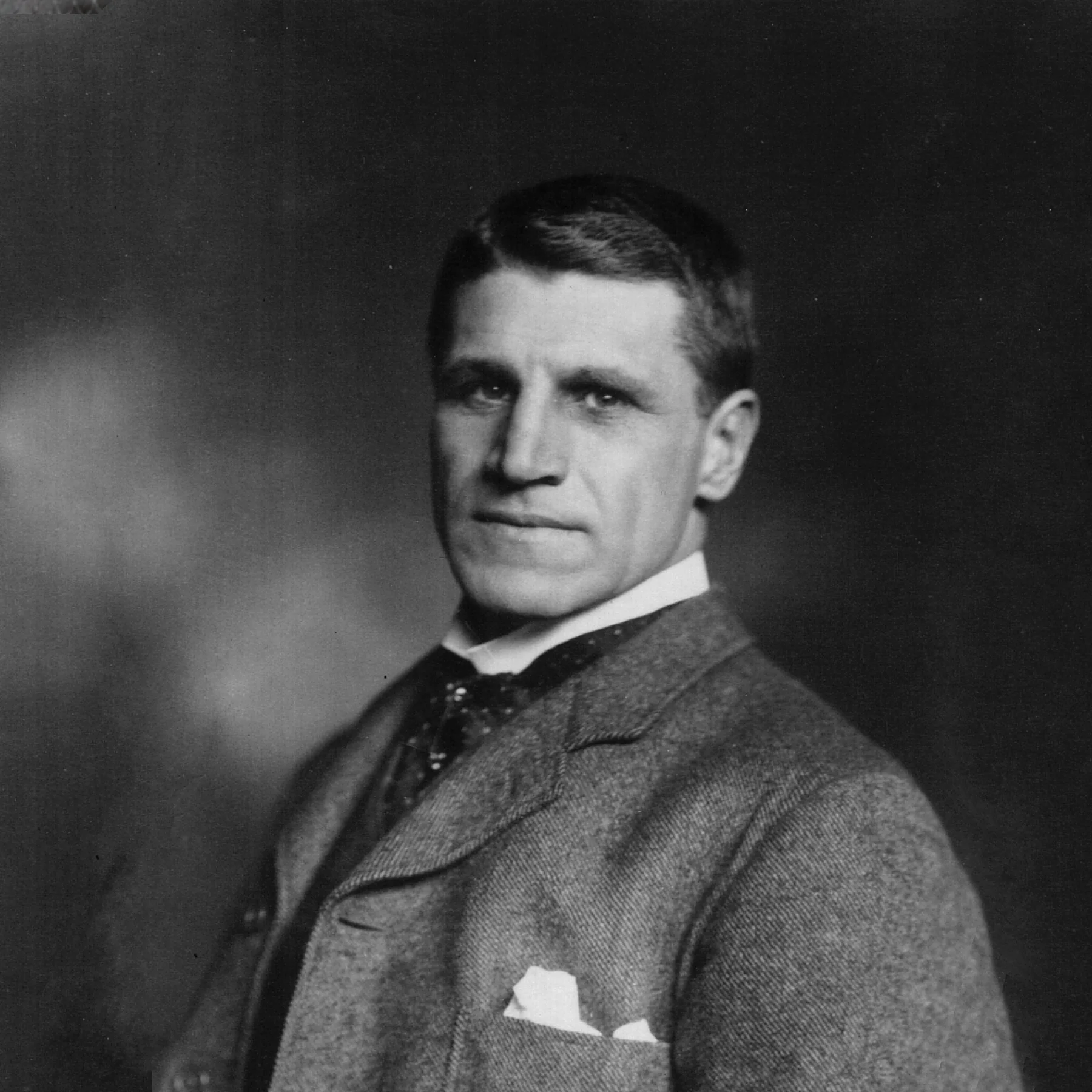
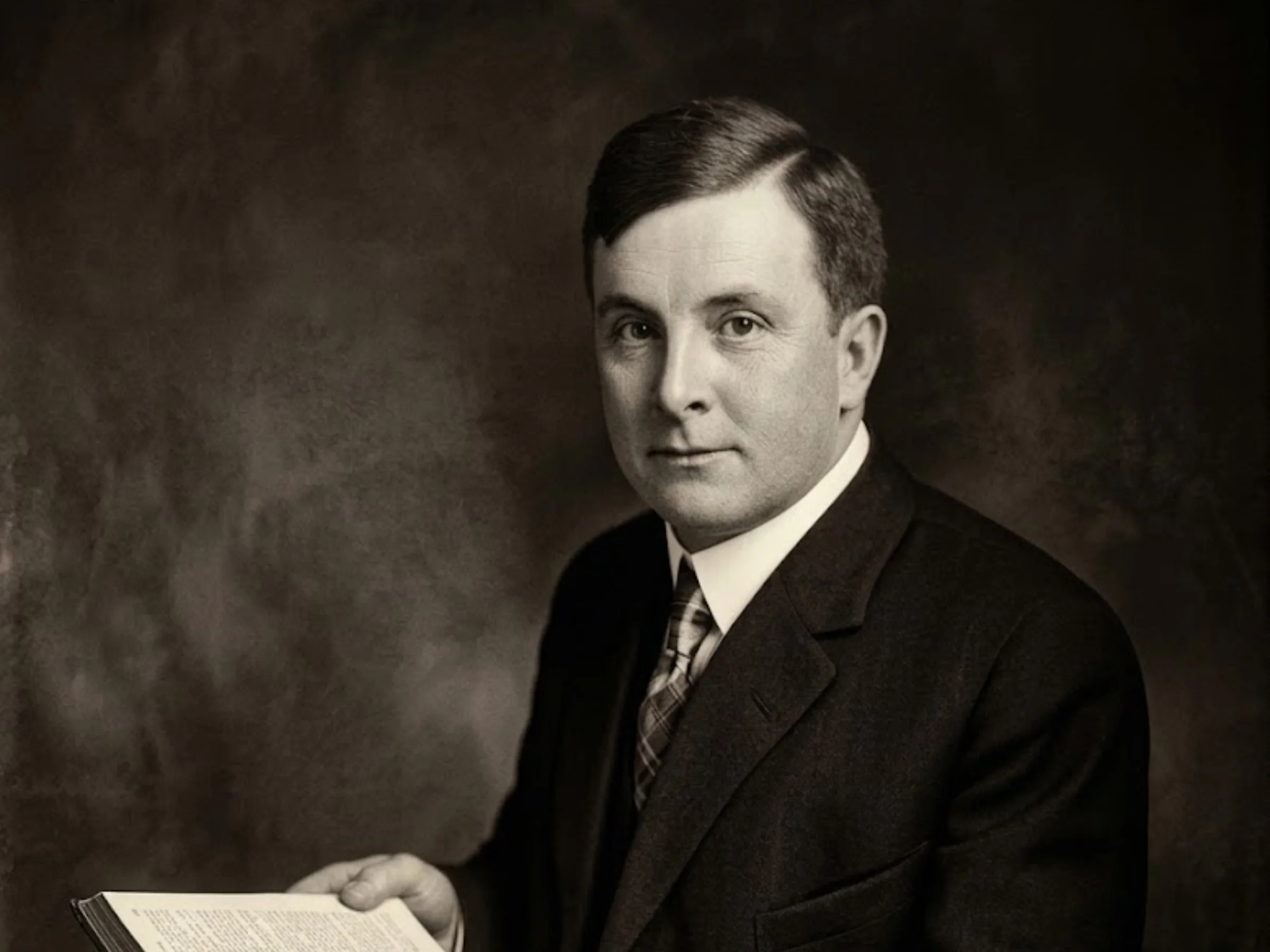
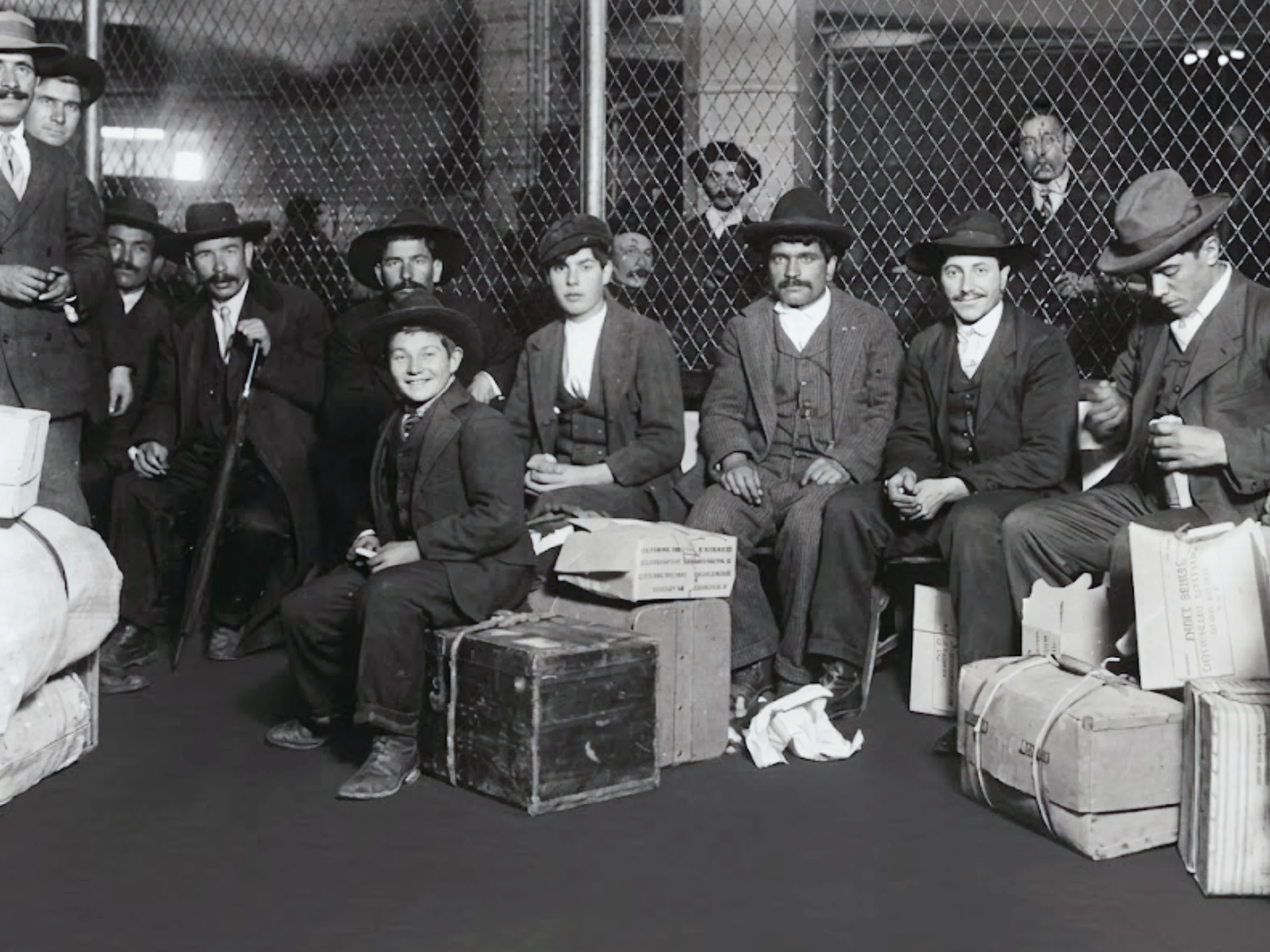
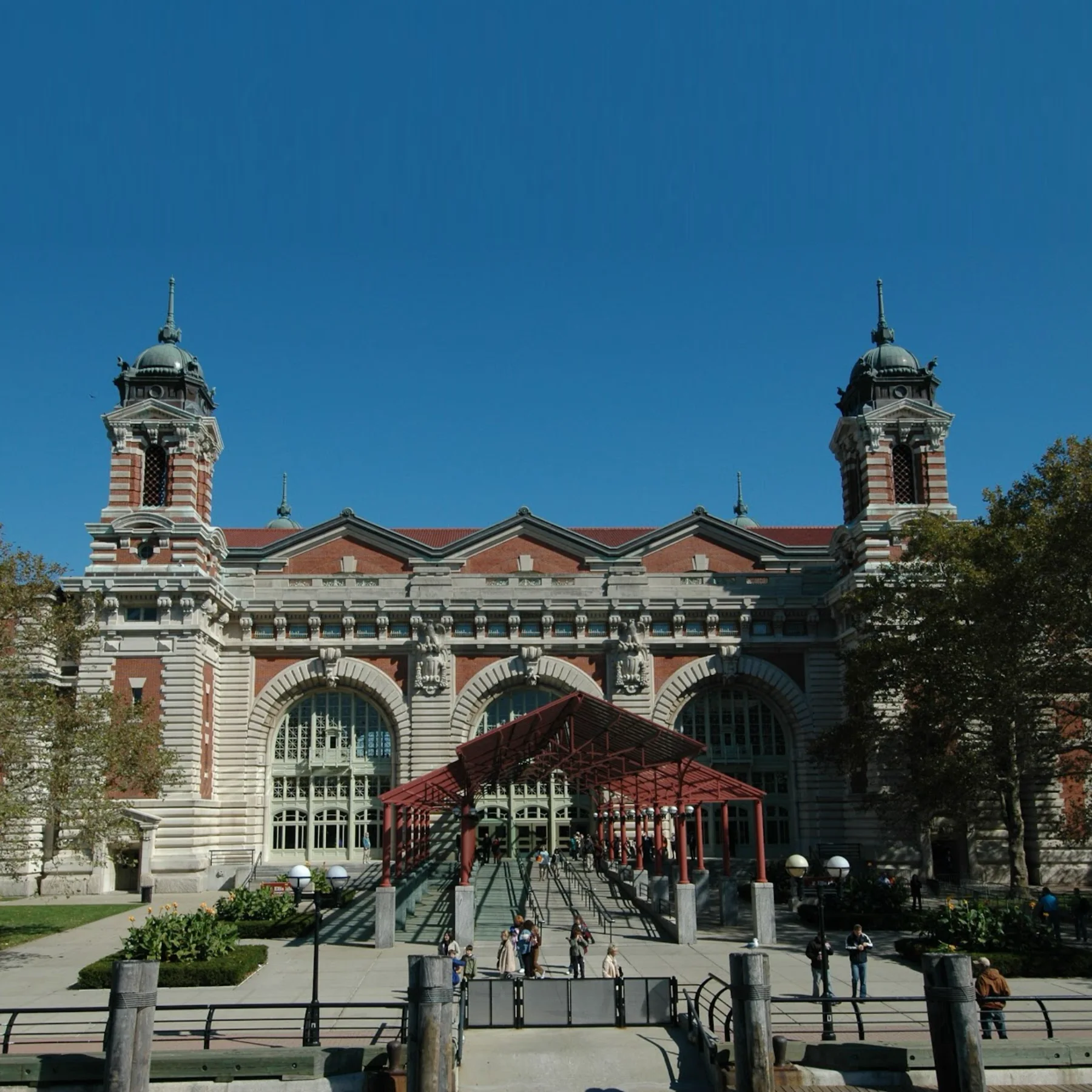
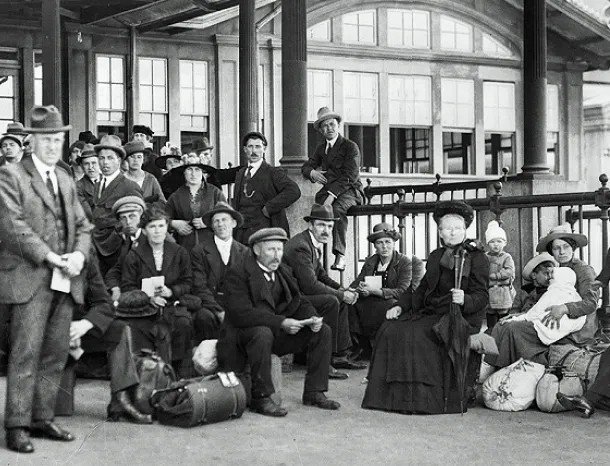
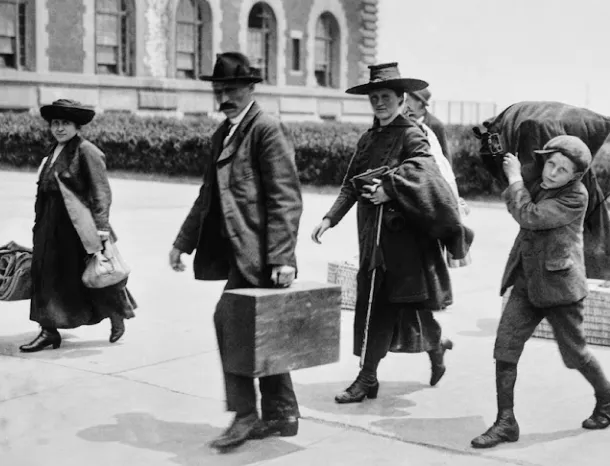
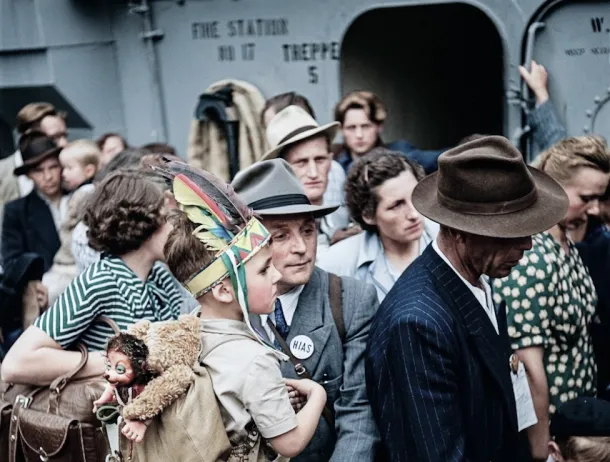
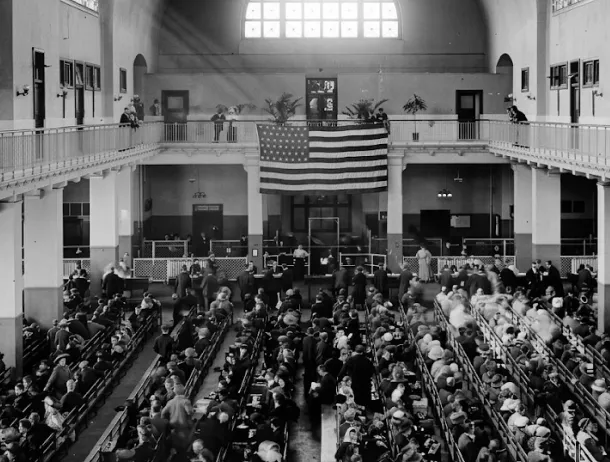
In 1890, Robert Arthur Young arrived at Ellis Island from Glasgow, Scotland. Young’s enterprising spirit reflected the movement shaping America at the turn of the twentieth century. Like millions arriving at the time, he was inspired by the promise and potential of the country’s burgeoning economy.
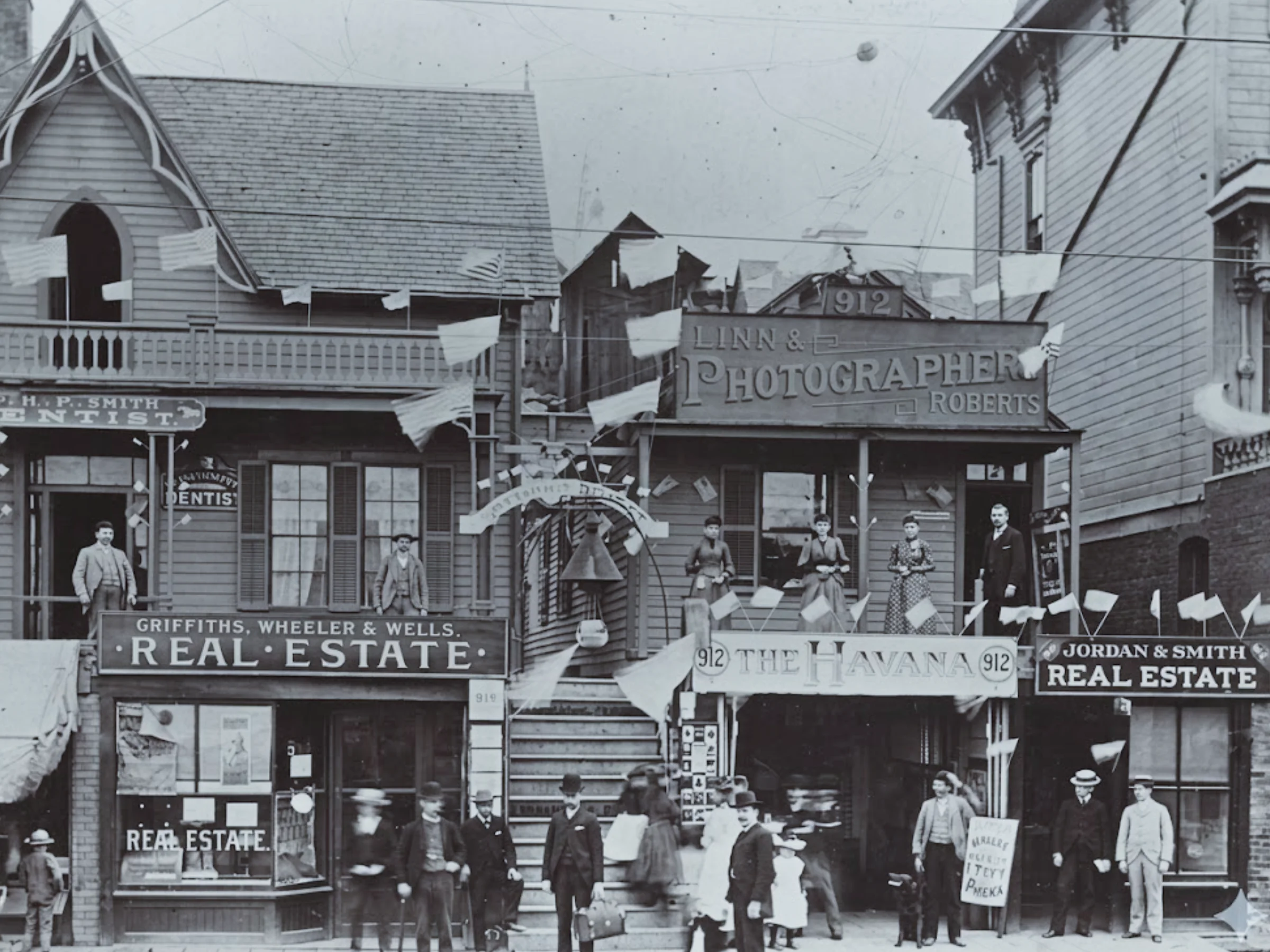
Young studied law at the University of Glasgow and brought an analytical perspective to new opportunities in America. As an inquisitive accountant, he believed financial information could provide clarity and confidence for business leaders. In 1894, he co-founded Stuart & Young in Chicago, guiding companies through rapid expansion.
In 1906, Young bought out his partner to form Arthur Young & Company with his brother, Stanley. The firm expanded its reach by forging early networks between the United States and the United Kingdom.
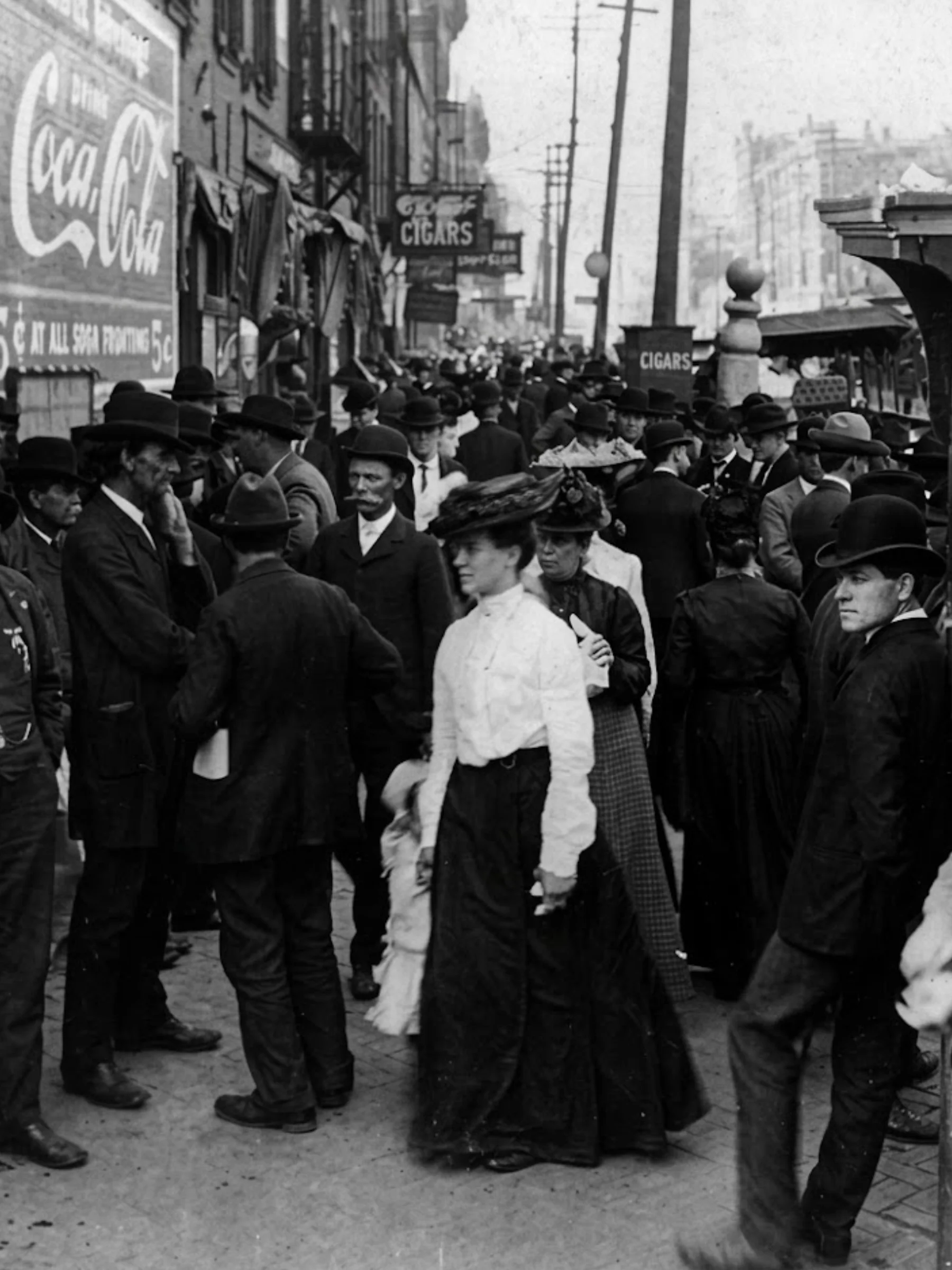
Meanwhile, a parallel story was unfolding in Cleveland, Ohio, another city shaped by industrialization and expansion. In 1903, American-born Alwin C. Ernst co-founded Ernst & Ernst with his brother, Theodore. Like Young, Ernst believed accounting could help leaders make informed decisions.
Though from different backgrounds, Arthur Young and Alwin Ernst shared a common purpose. Their independent firms defined the modern role of accounting in helping businesses navigate growth, complexity and change. In 1989, the two firms united to form Ernst & Young (EY).
Today, those same principles guide a global organization of more than 400,000 people across more than 700 offices in 150 countries, including approximately 80,000 professionals in the United States. EY supports the Ellis Island National Museum of Immigration’s mission to honor American stories shaped by human movement, shared values, and what people build together.
Are you sure you want to remove this product from the cart?
(Note: If you remove the inscription the associated certificate will also be removed from the cart.)
You are requesting to delete all personal identifiable information (PII) held by The Statue of Liberty - Ellis Island Foundation. This includes all records related to you, including but not limited to donor registries, online publications, museum interactive content, digital mementos, and other data within our databases and systems.
Please be advised that once the deletion is completed, the data will be permanently erased and will no longer be accessible. This process is comprehensive and irreversible. However, you may at any time resubmit your PII to the Foundation and establish a new record.
Do you want to proceed with this deletion request?
Your deletion request has been submitted. The Foundation will contact you within 3-5 business days.