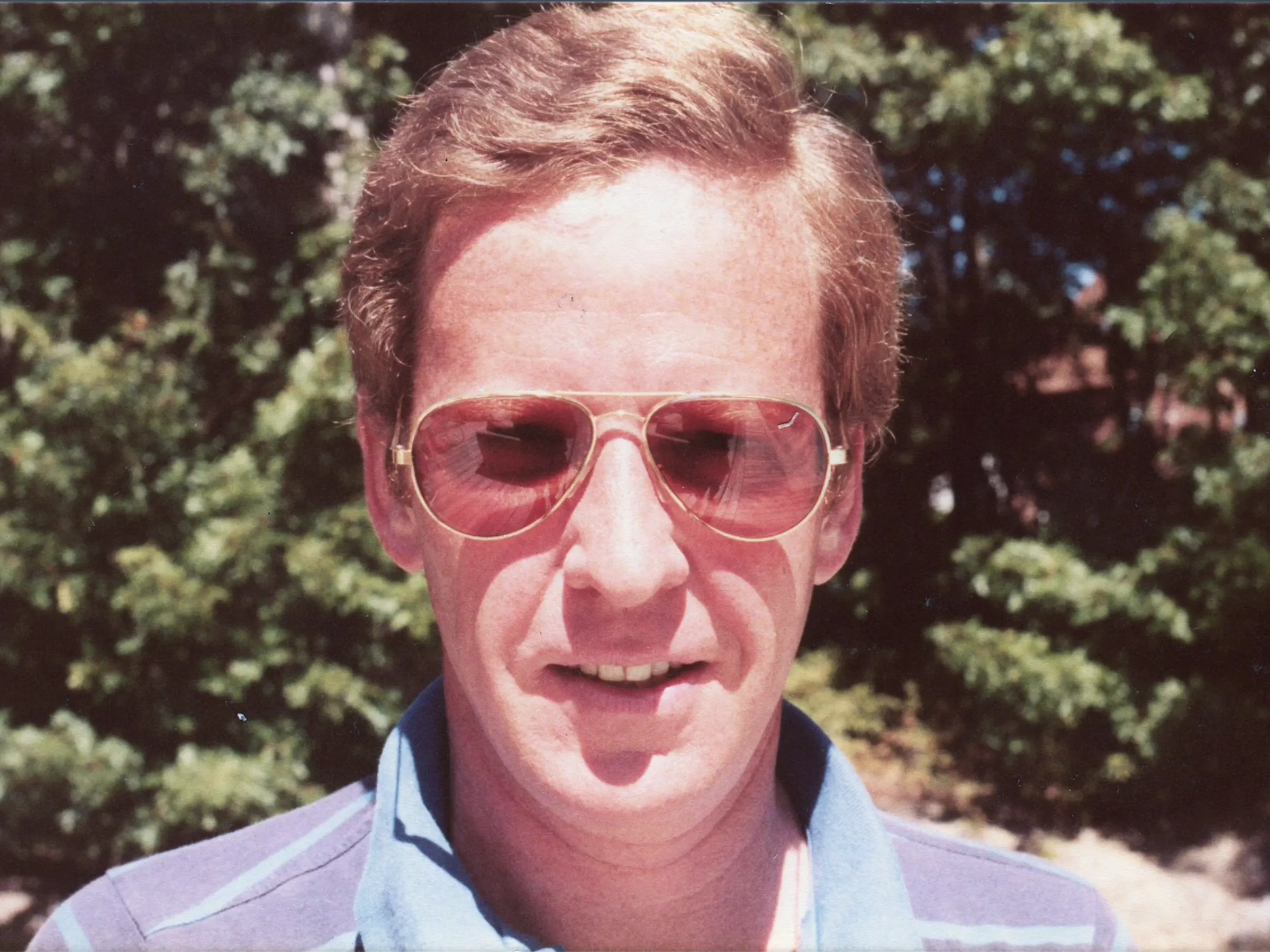
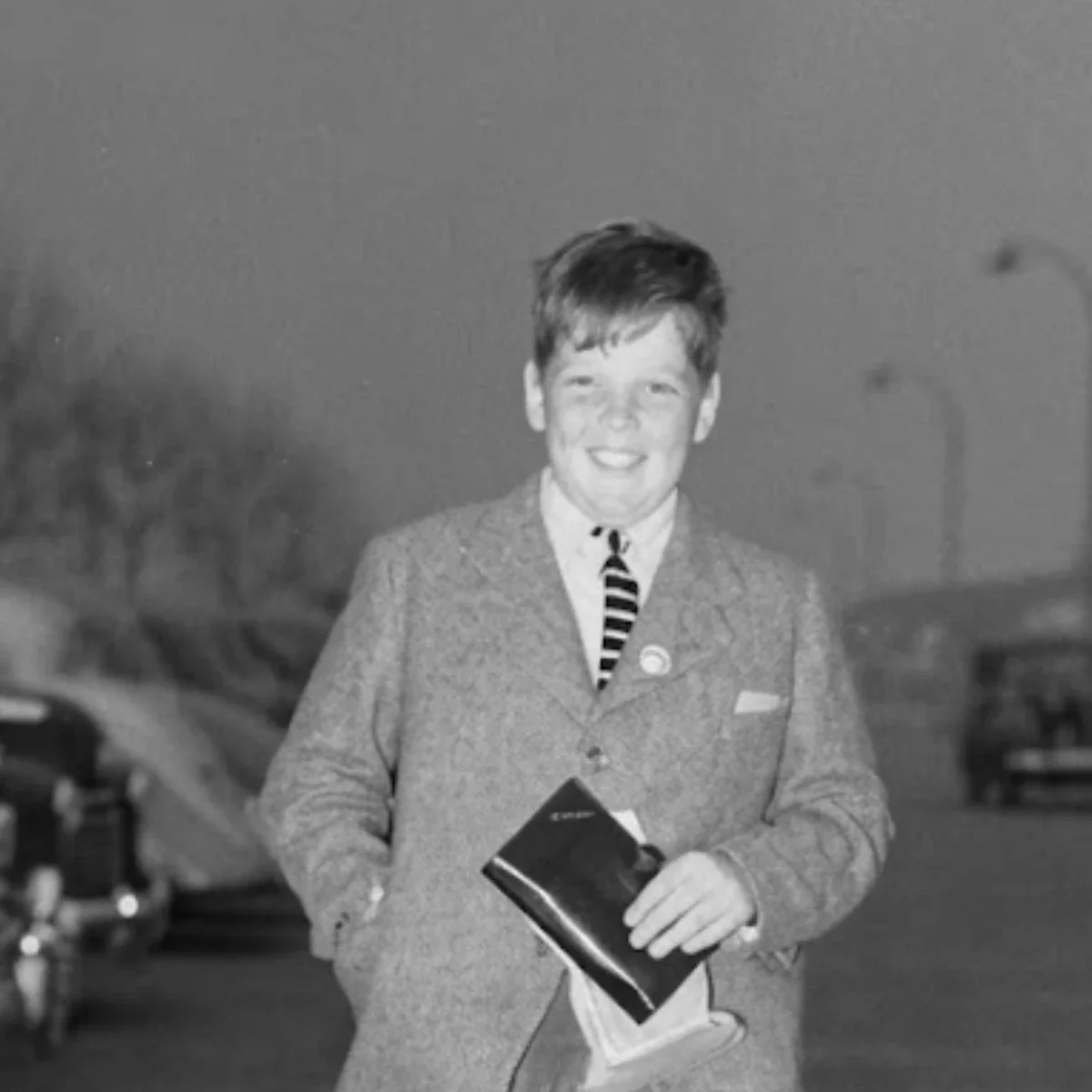
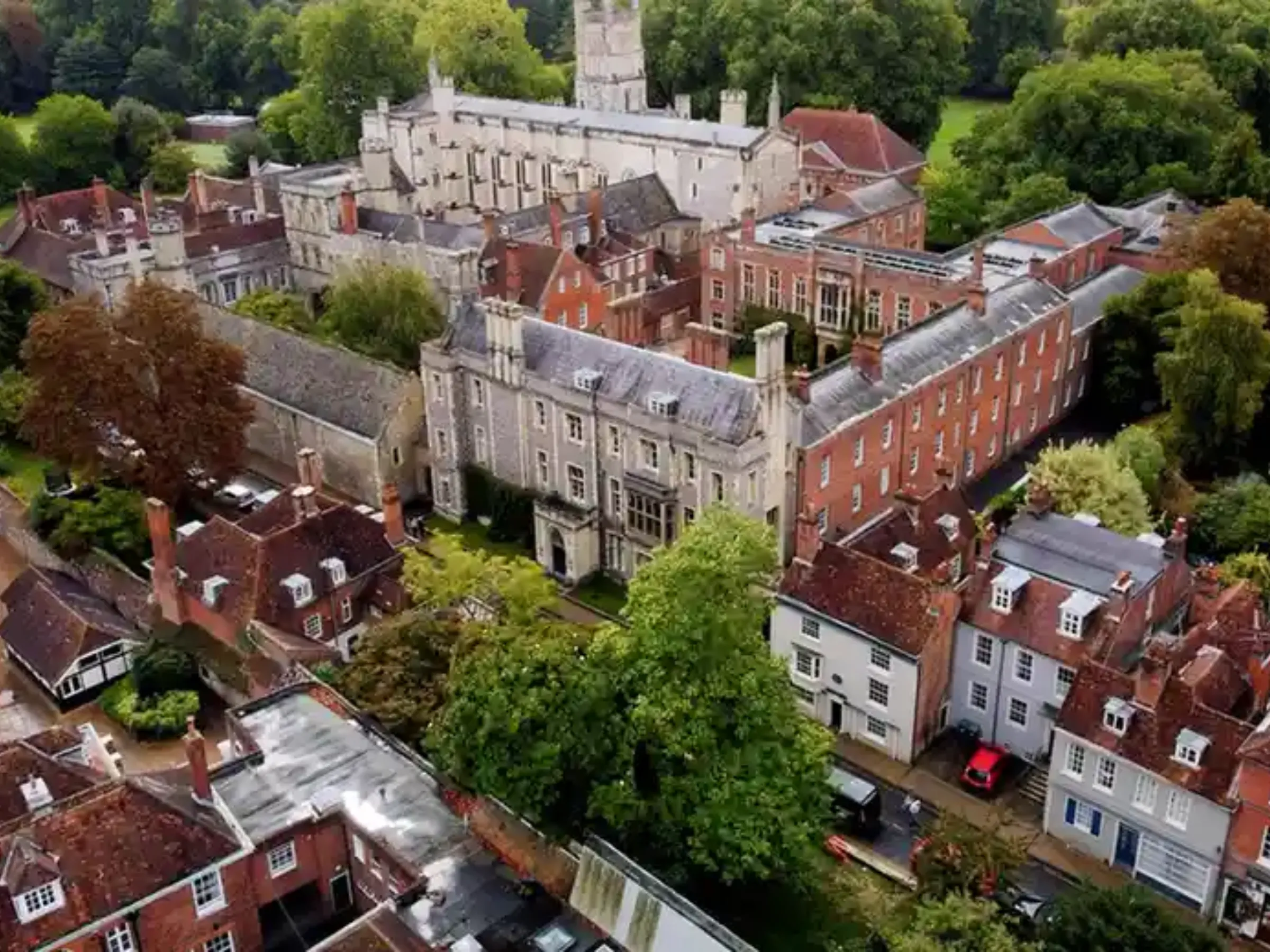
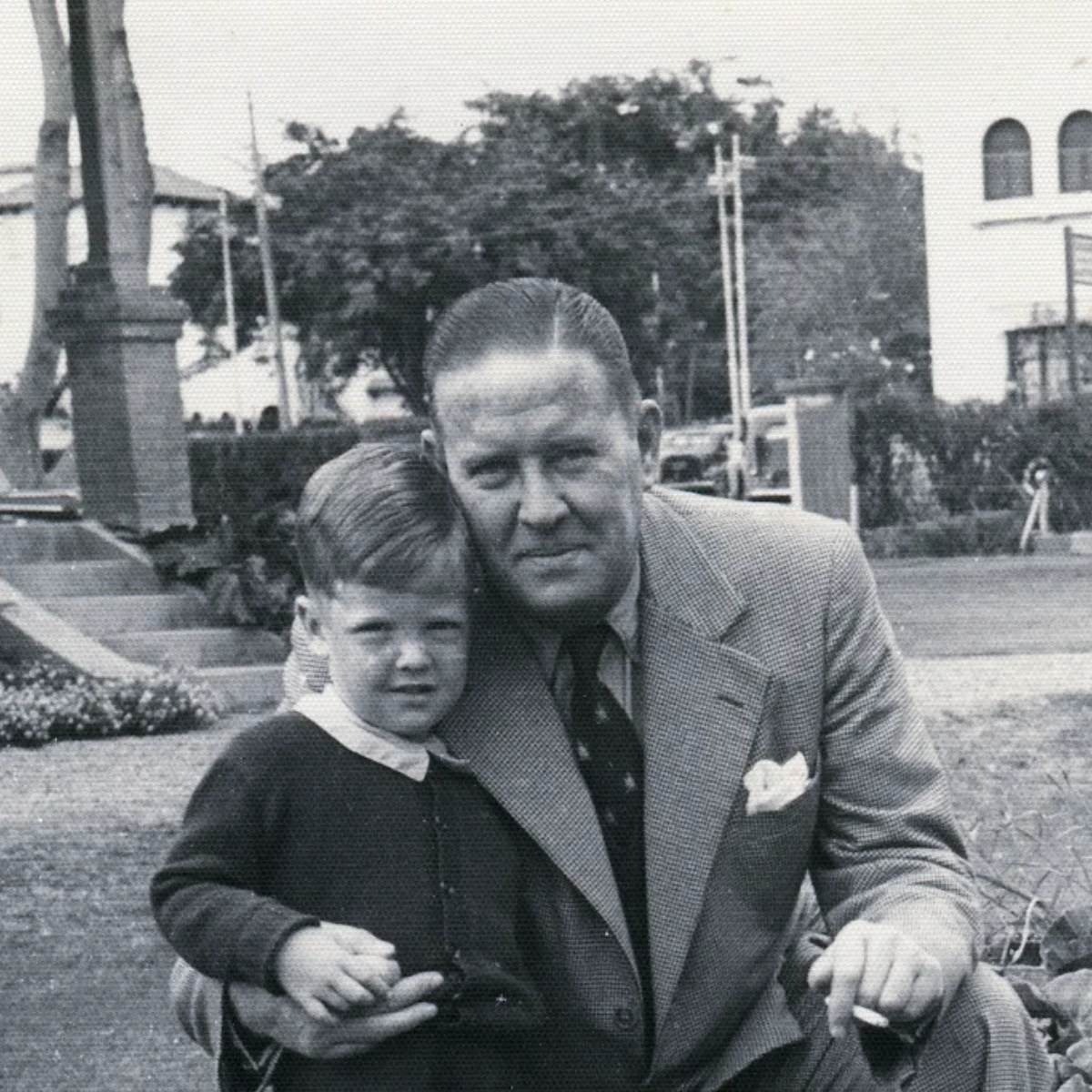
In 1963, having just graduated from Cambridge University in England, I came to the United States to attend the Massachusetts Institute of Technology (MIT). I intended to get a master’s degree (SM), get some work experience, and then return and build a life in the United Kingdom.
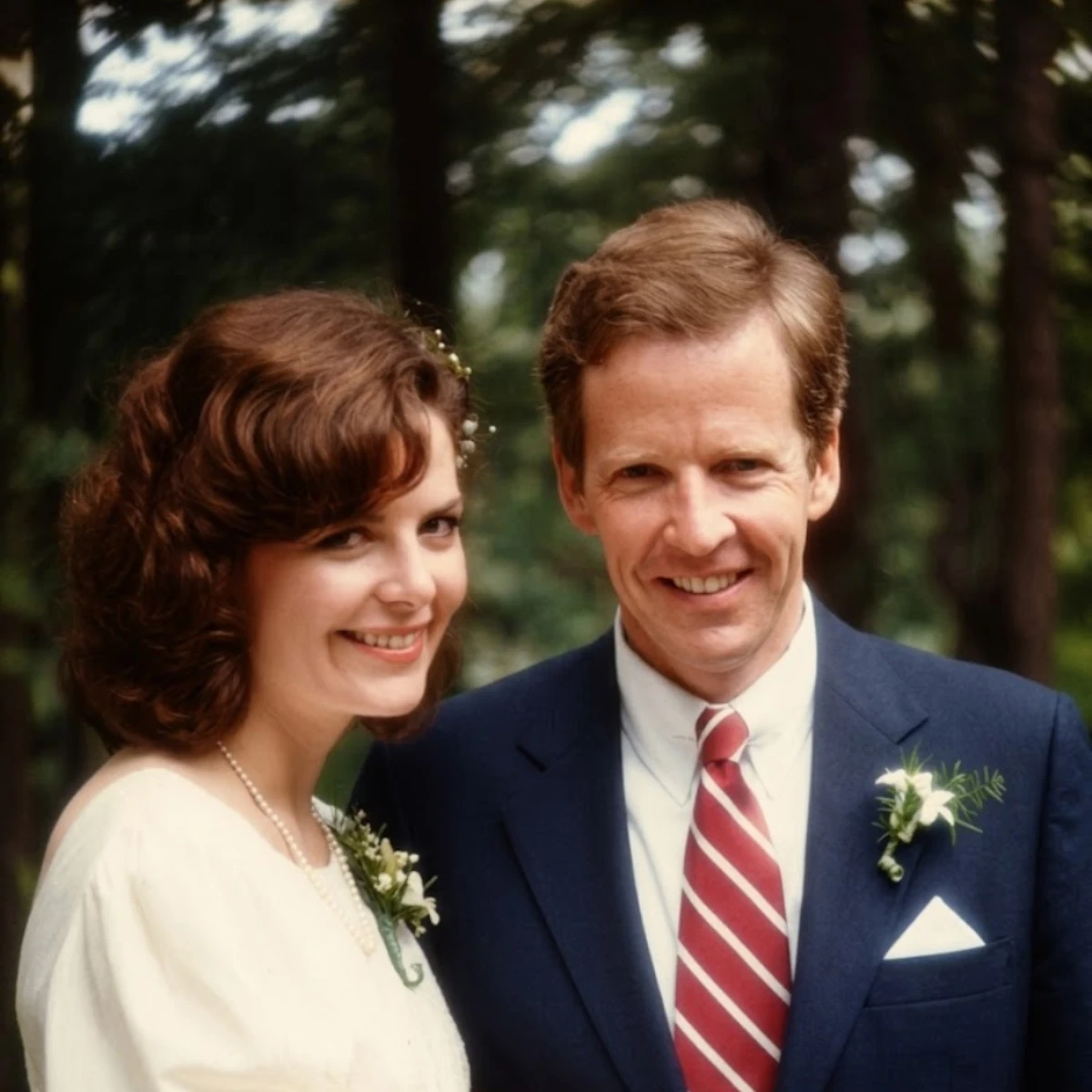
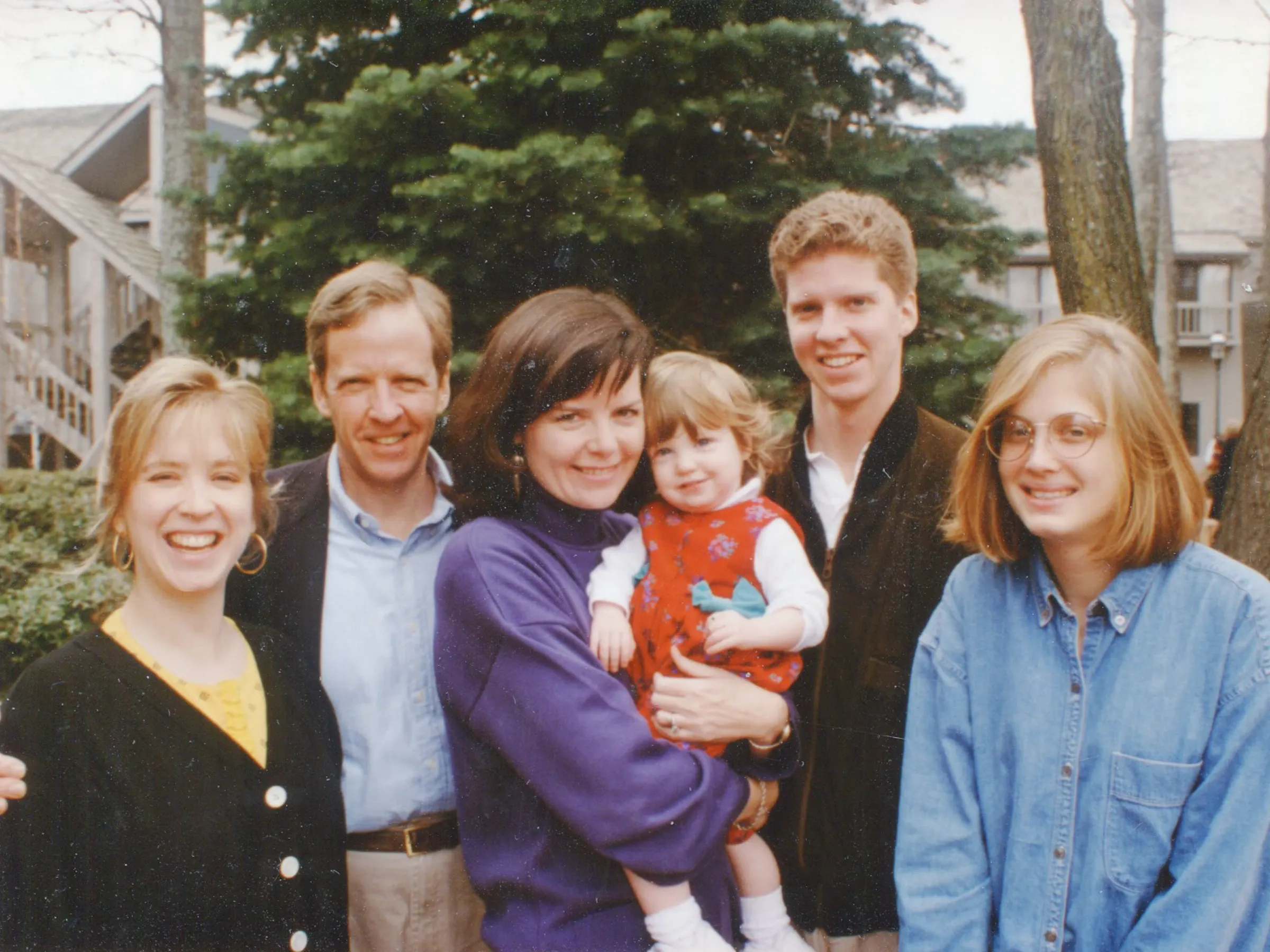
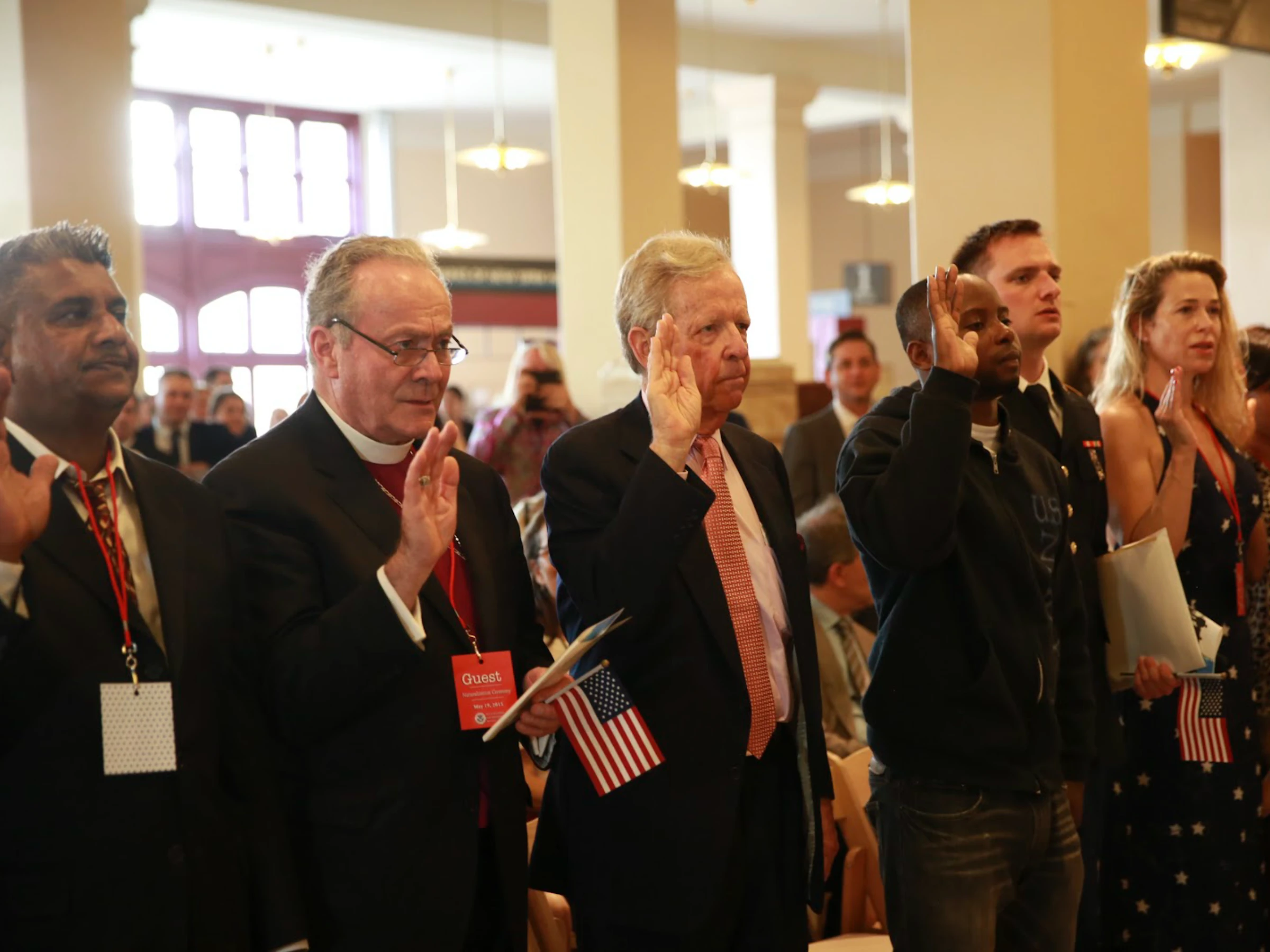
Instead, I stayed in New York, started a business, grew my family, and eventually became a US citizen.
Looking back, I recognize myself as one of the countless immigrants who have been part of this country’s unique business landscape.
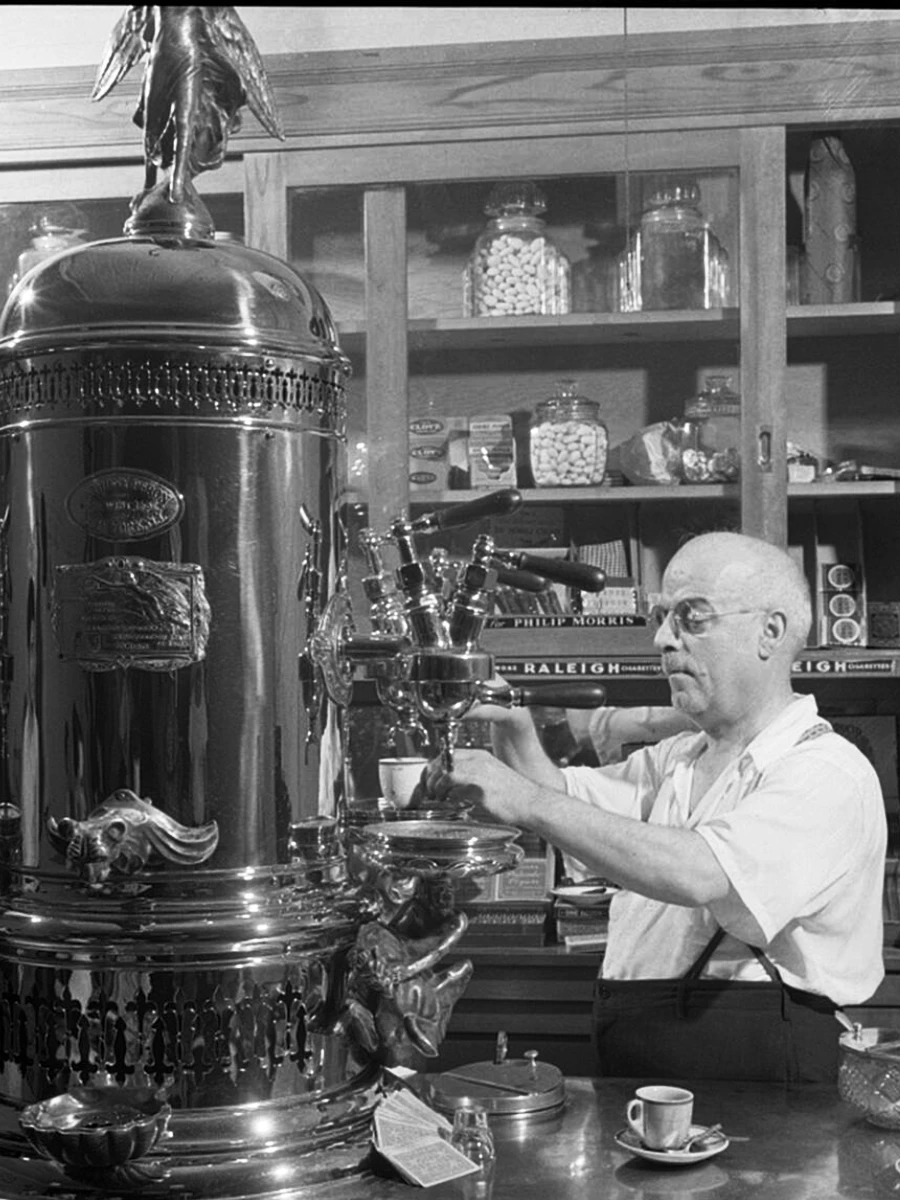
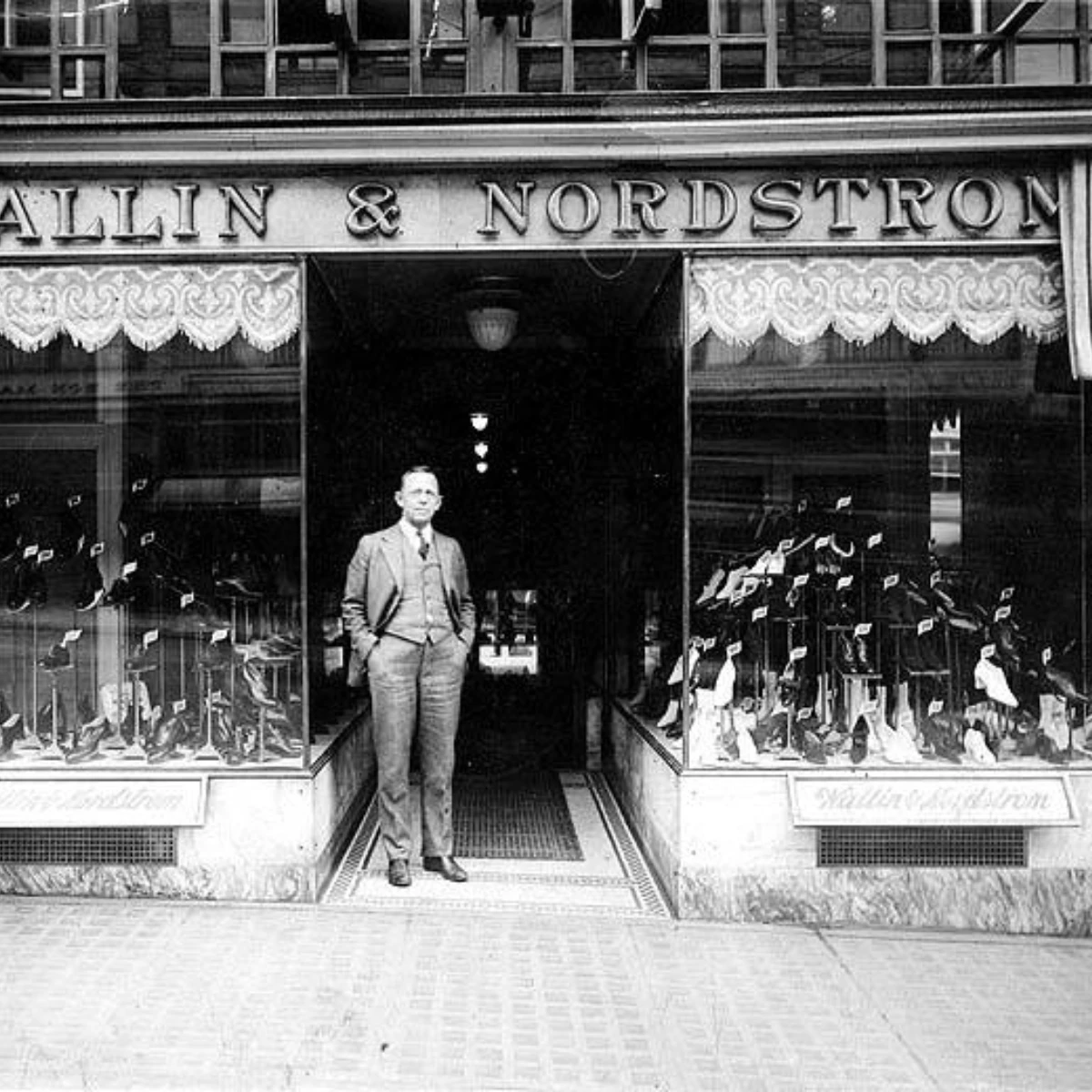
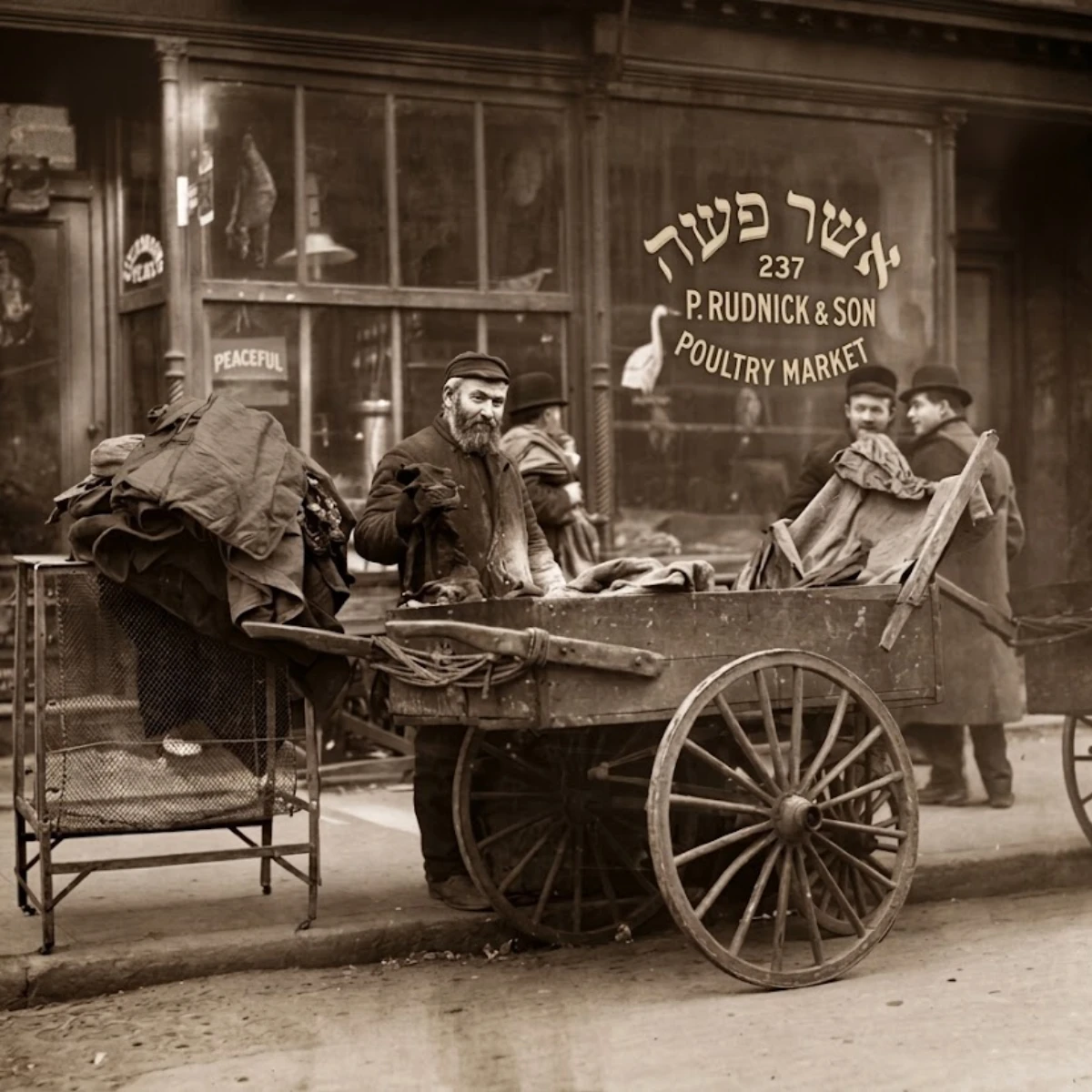
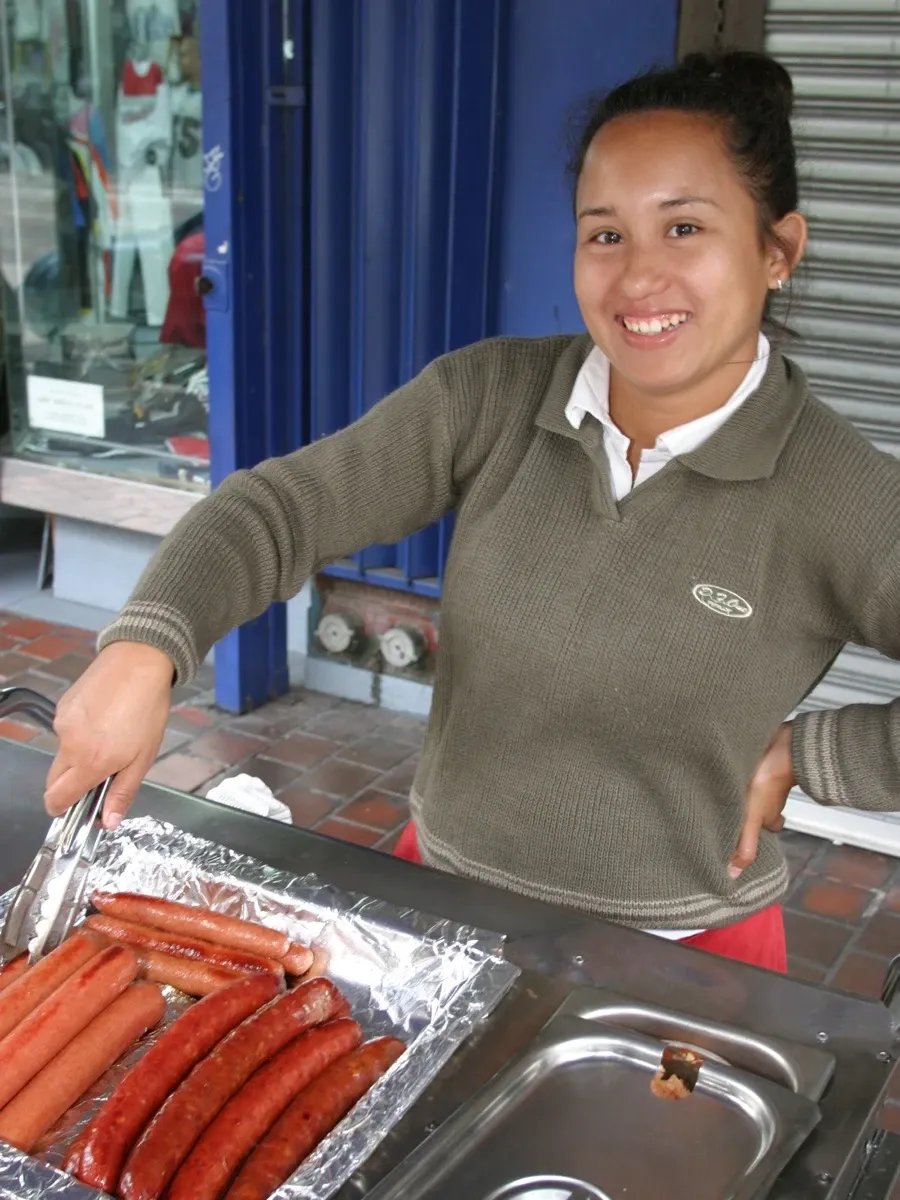
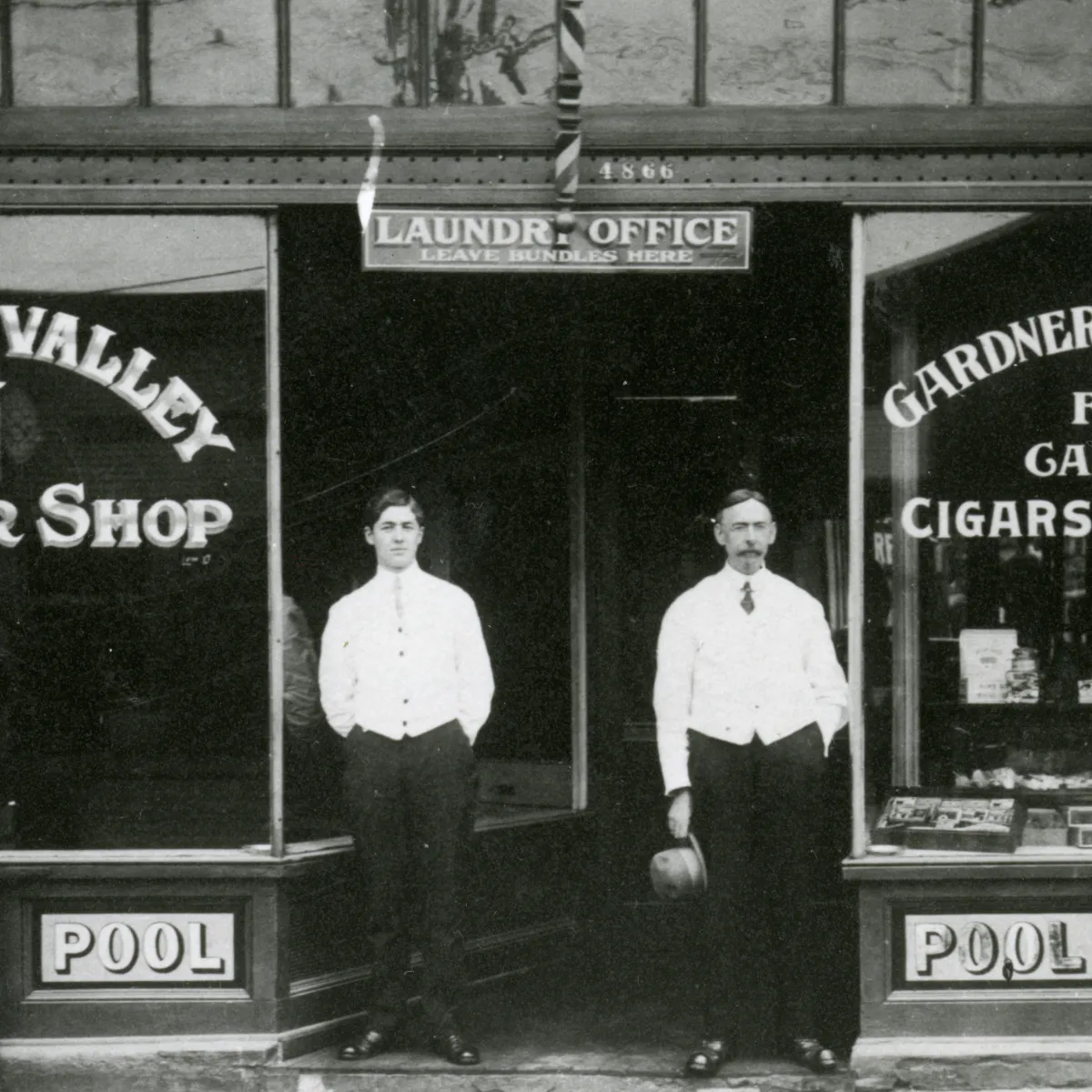
Immigrants have long played a defining role in American entrepreneurship, from opening shops that serve a local community to launching companies known around the world. In a sense, they have pre-selected themselves for the start-up environment—as people who have already taken the bold step of leaving home, they are ready to bring energy and creativity to the challenge of starting something new.
Immigrants have also left behind the familiar, and my own experience has taught me how valuable that process is. The schools I attended in England valued excellence above all else, but they wanted you to pursue it their way, and make it seem effortless. I did not fit that mold! As a classmate once told me, “The trouble with you, Donovan, is that you try too hard!”
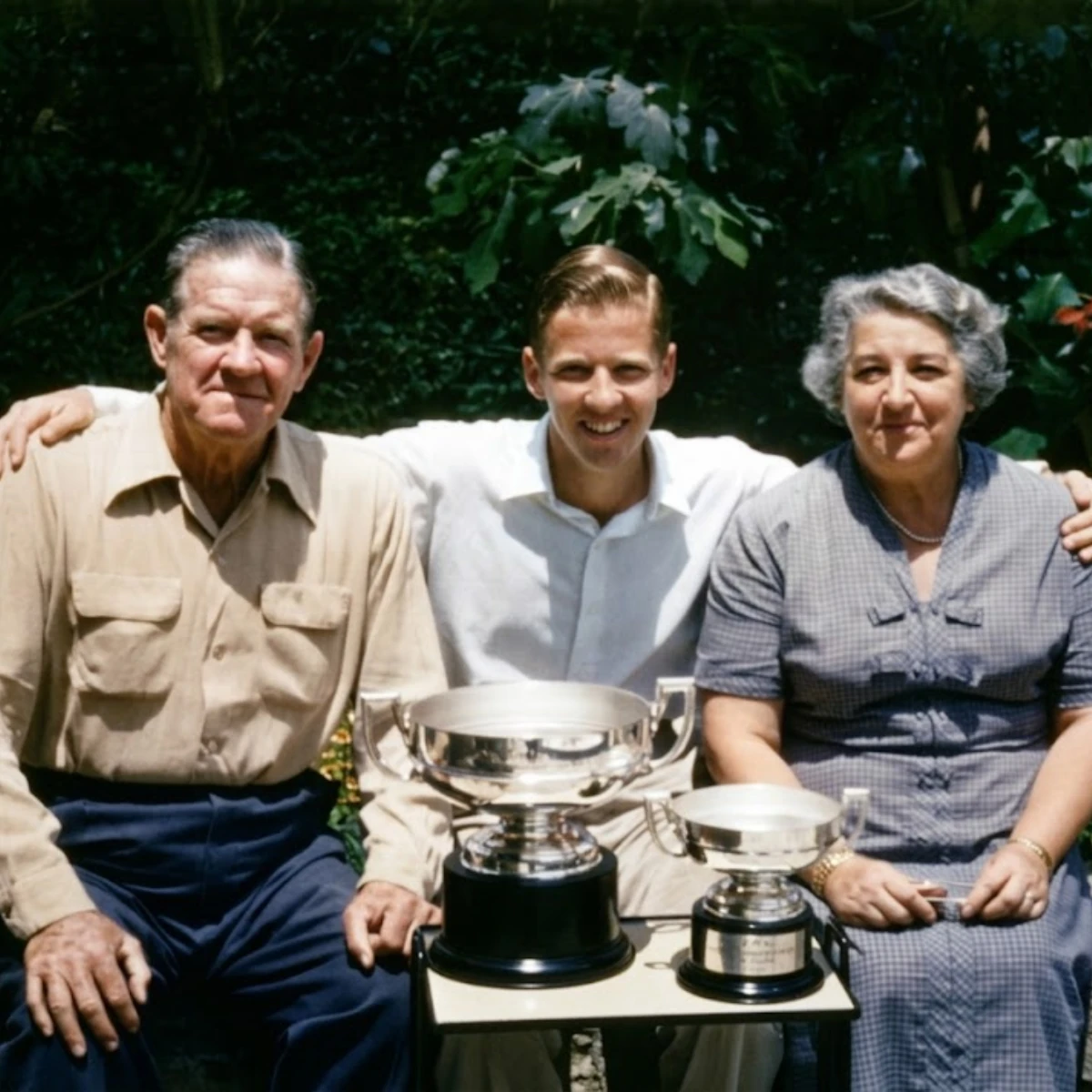
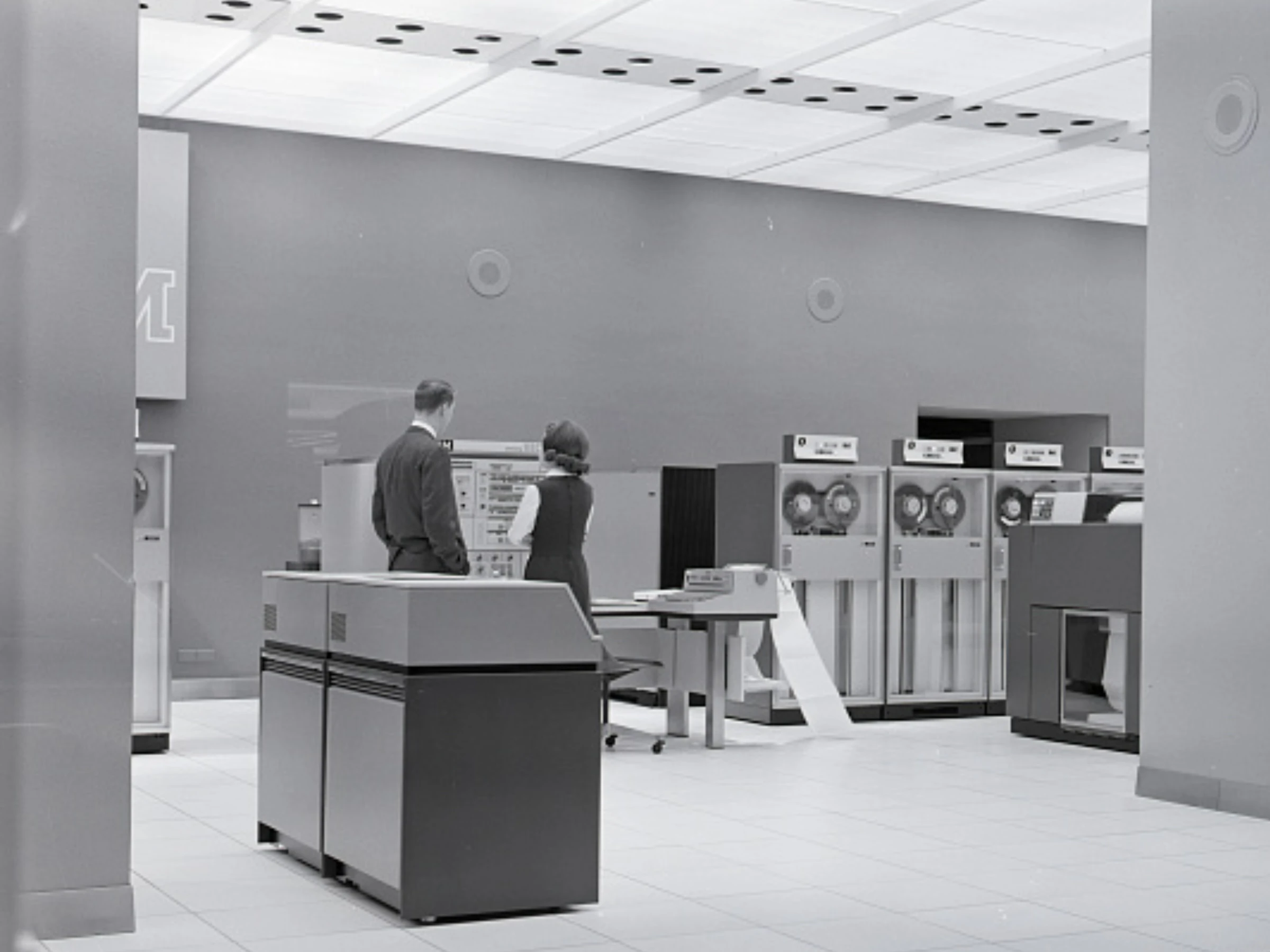
In the United States, and especially in New York, I felt no such constraints. In 1965, after a brief stint at IBM, I took the leap that so many immigrants have taken and struck out on my own, drawing inspiration from my father’s own entrepreneurial path.
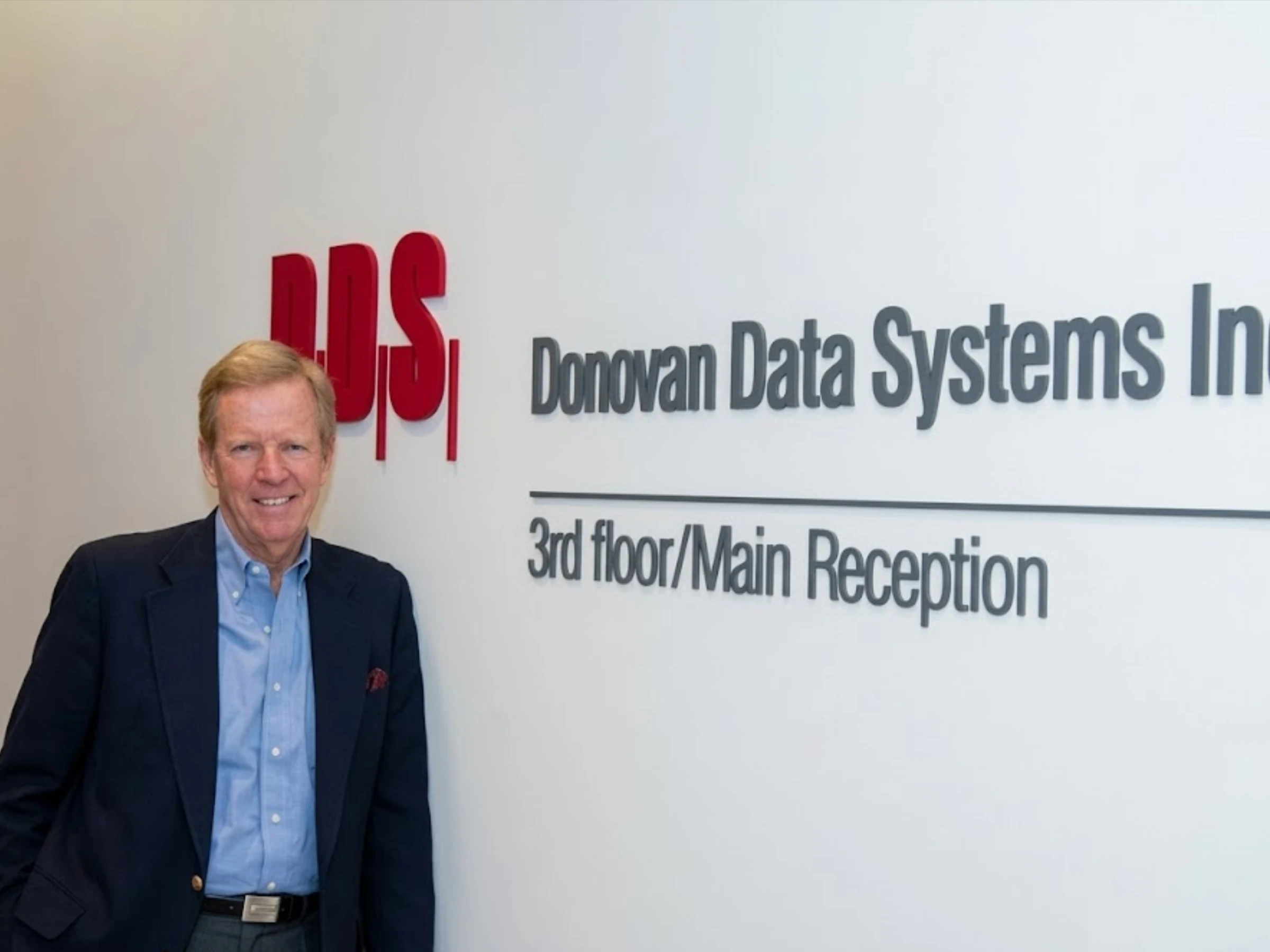
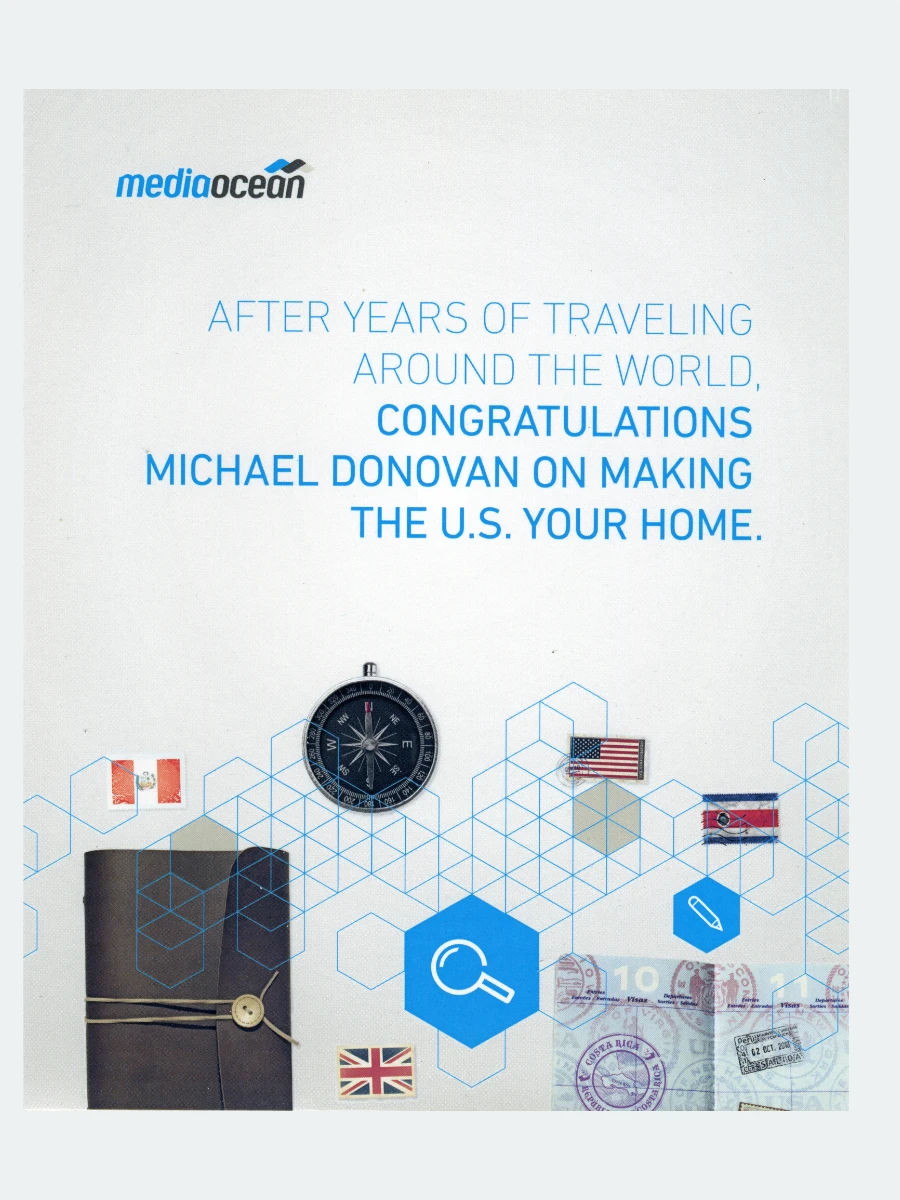
I first wrote a program that automated the analysis of market research surveys, a process that had previously been largely manual. The program sold well, but the business really took off once I started licensing the technology. Then in 1967, with $32 worth of business cards, I launched Donovan Data Systems (DDS), a company that automated the buy-side of the advertising industry and laid the foundations for Ad Tech as we know it today. Today, it has grown to 1,800 employees worldwide and operates as Mediaocean, with $200 billion in advertising running through the platform.
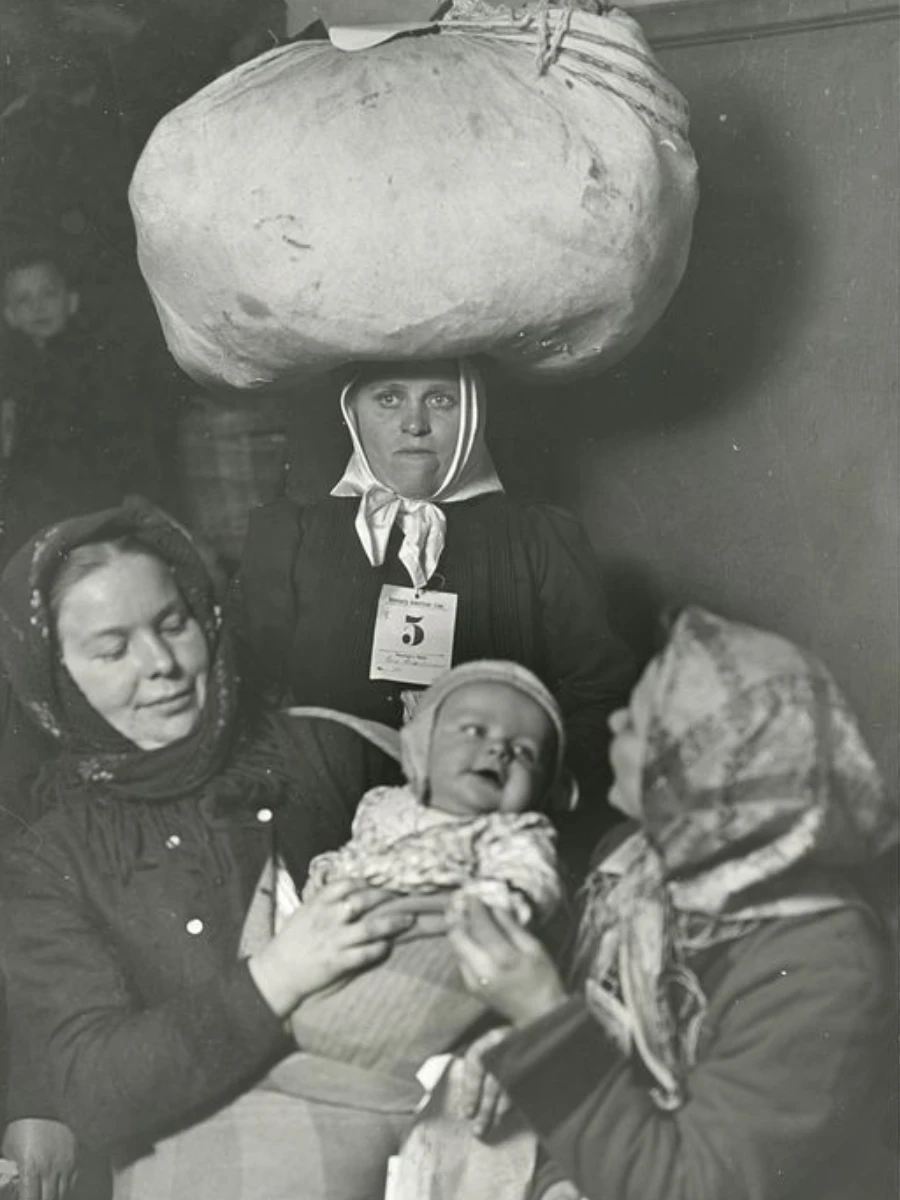
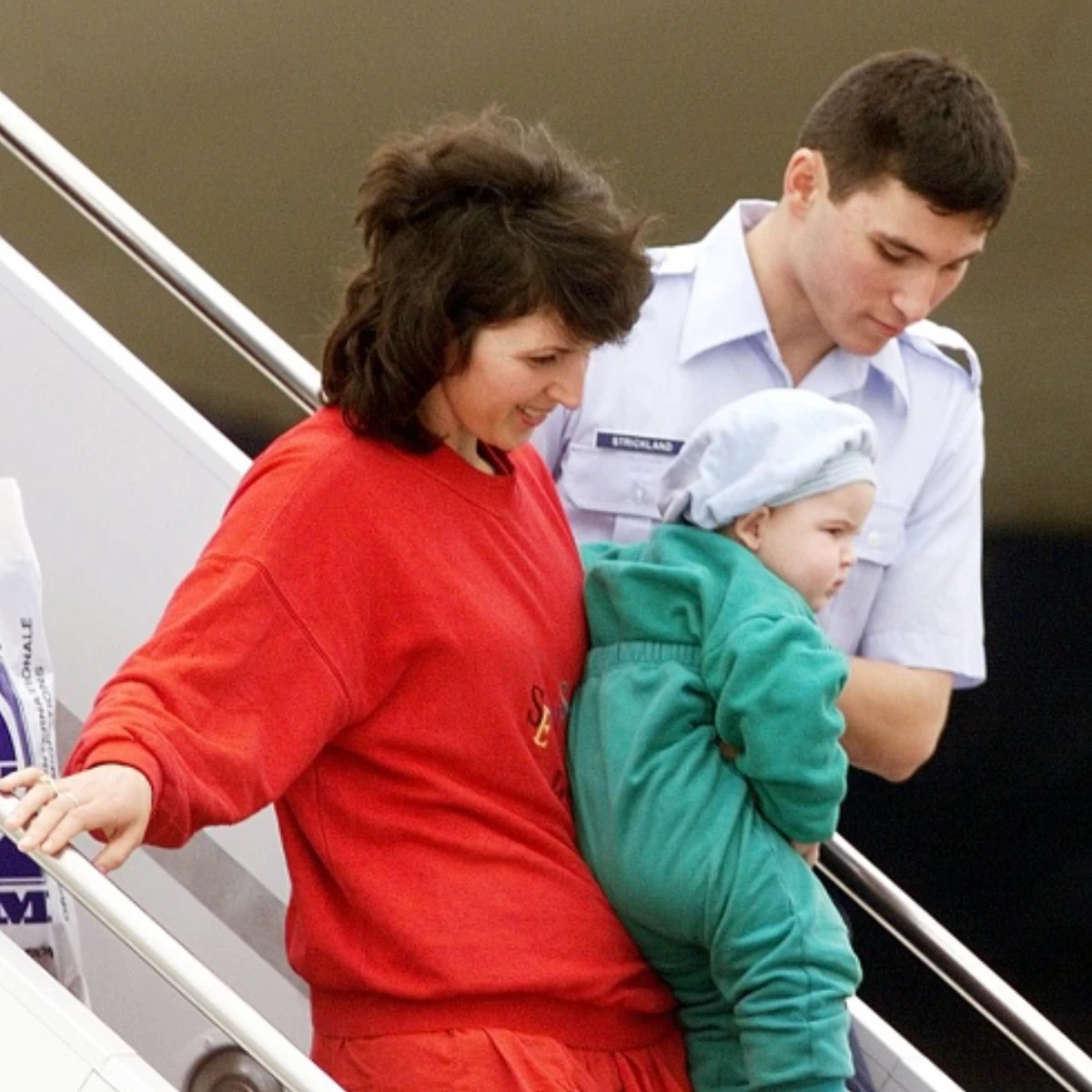
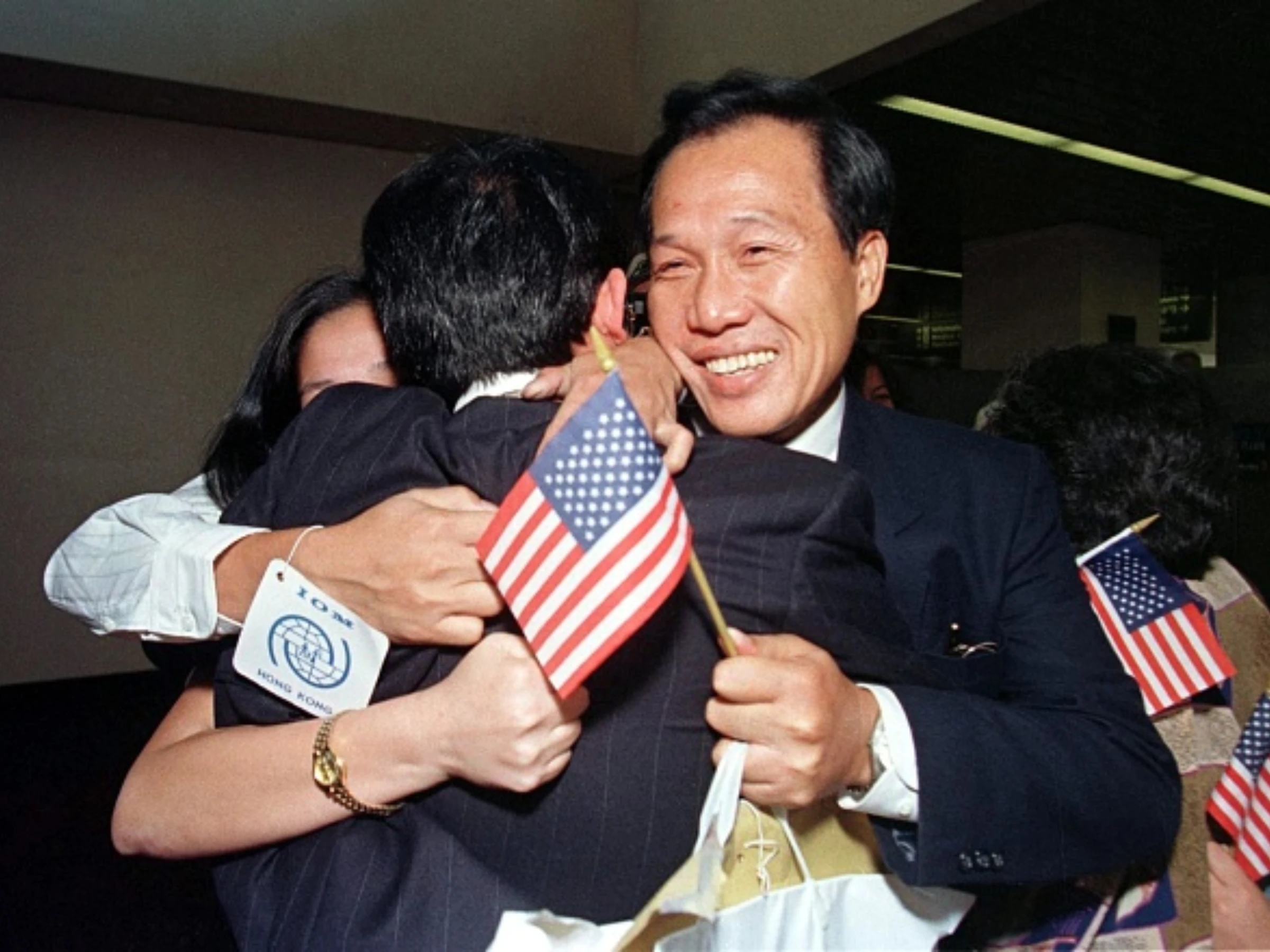
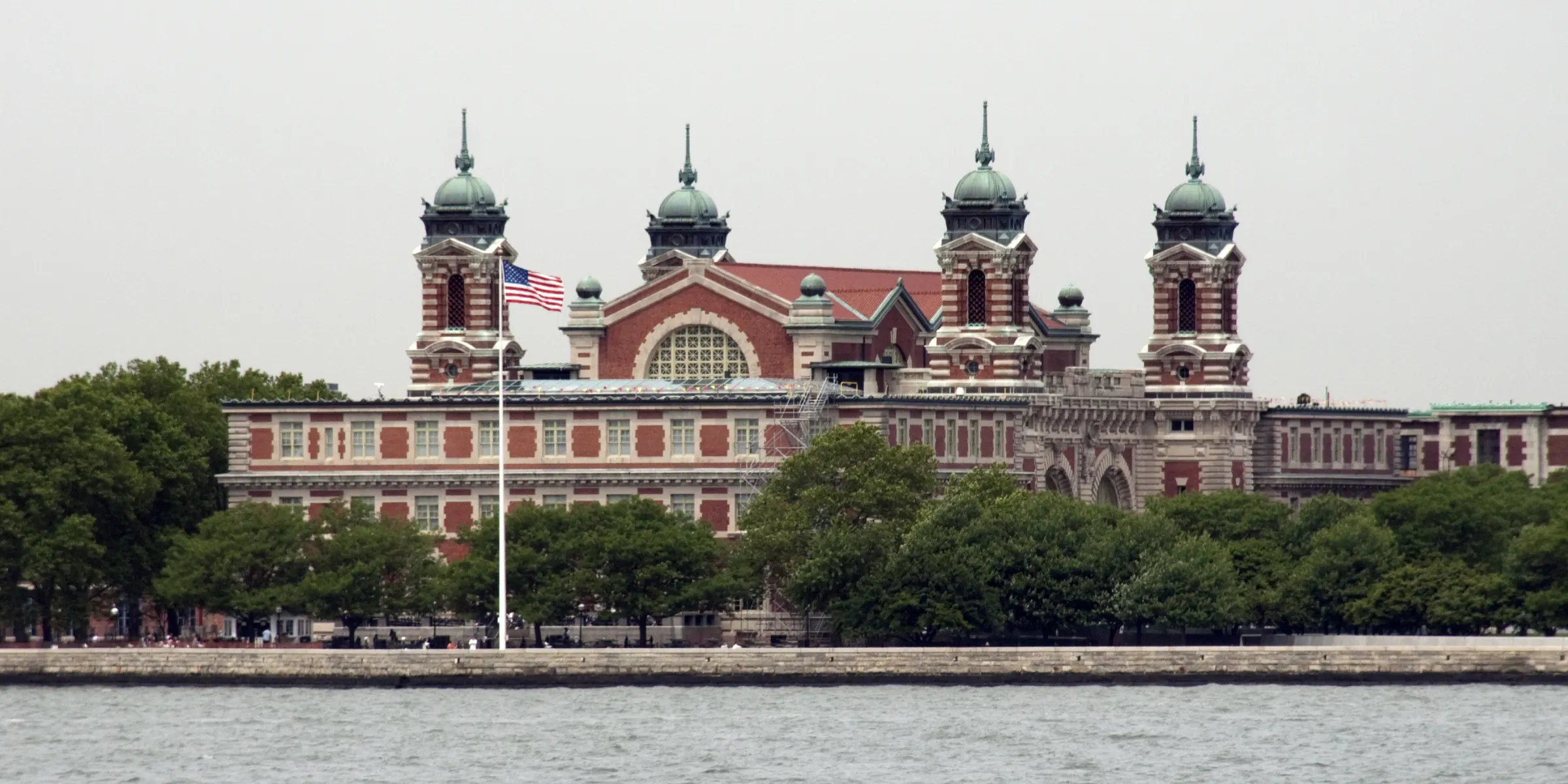
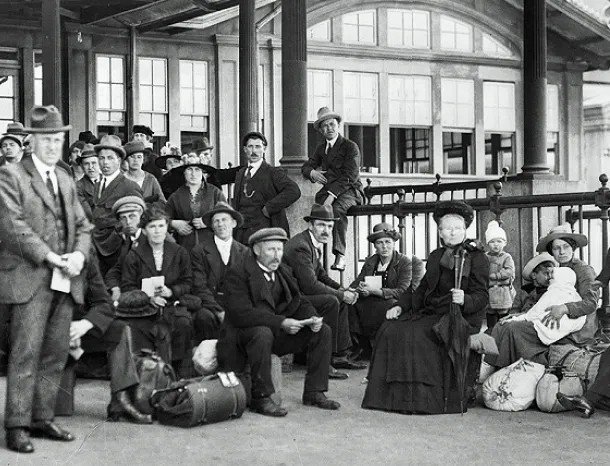
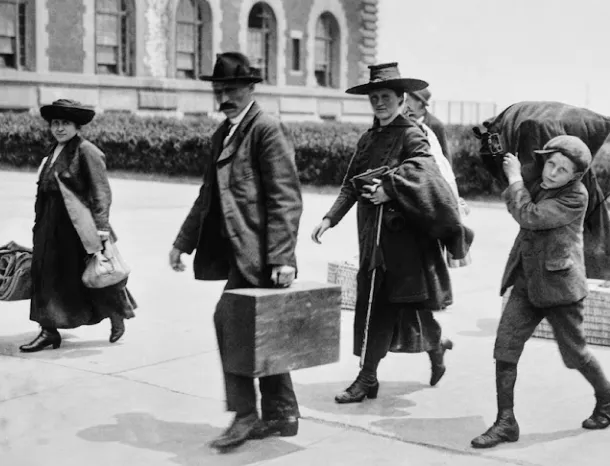
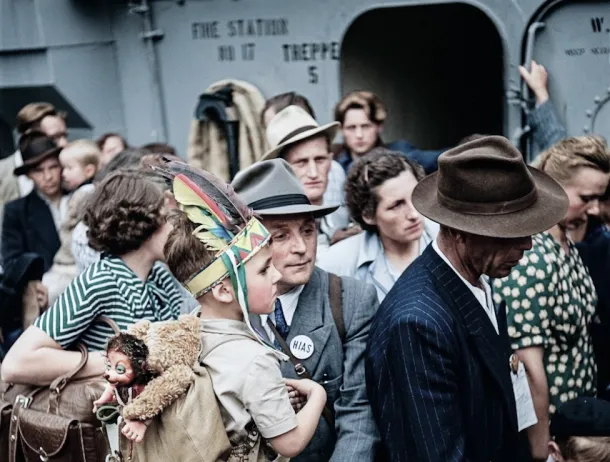
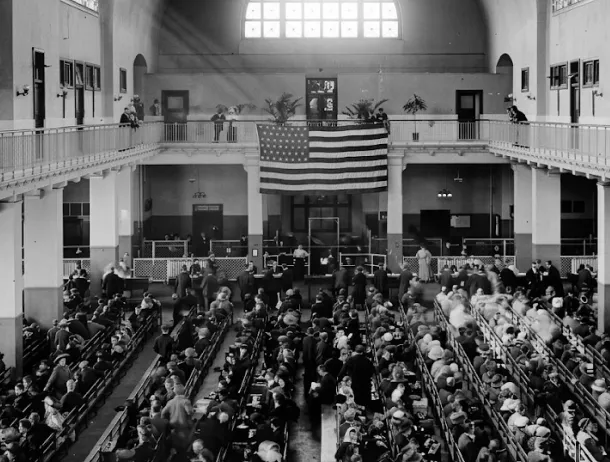
I immigrated to the United States through Logan Airport (Linda and I would later have a daughter whom we named Logan). It was a journey that you can’t begin to compare with making the long voyage in steerage on a ship in the 1890s–1920s and then being processed through Ellis Island. But there are more similarities than differences among immigrants to this country, whether they arrived this morning or centuries ago. Their experiences are complex and varied but connected by the common goals of pursuing opportunity and building a better life for themselves and their families.
Linda and I are proud to support the Ellis Island National Museum of Immigration, which brings to life so many of these important stories.
We honor the immigrants who have come from all over the world, eager to innovate and take risks, and not afraid to “try too hard.”
Are you sure you want to remove this product from the cart?
(Note: If you remove the inscription the associated certificate will also be removed from the cart.)
You are requesting to delete all personal identifiable information (PII) held by The Statue of Liberty - Ellis Island Foundation. This includes all records related to you, including but not limited to donor registries, online publications, museum interactive content, digital mementos, and other data within our databases and systems.
Please be advised that once the deletion is completed, the data will be permanently erased and will no longer be accessible. This process is comprehensive and irreversible. However, you may at any time resubmit your PII to the Foundation and establish a new record.
Do you want to proceed with this deletion request?
Your deletion request has been submitted. The Foundation will contact you within 3-5 business days.