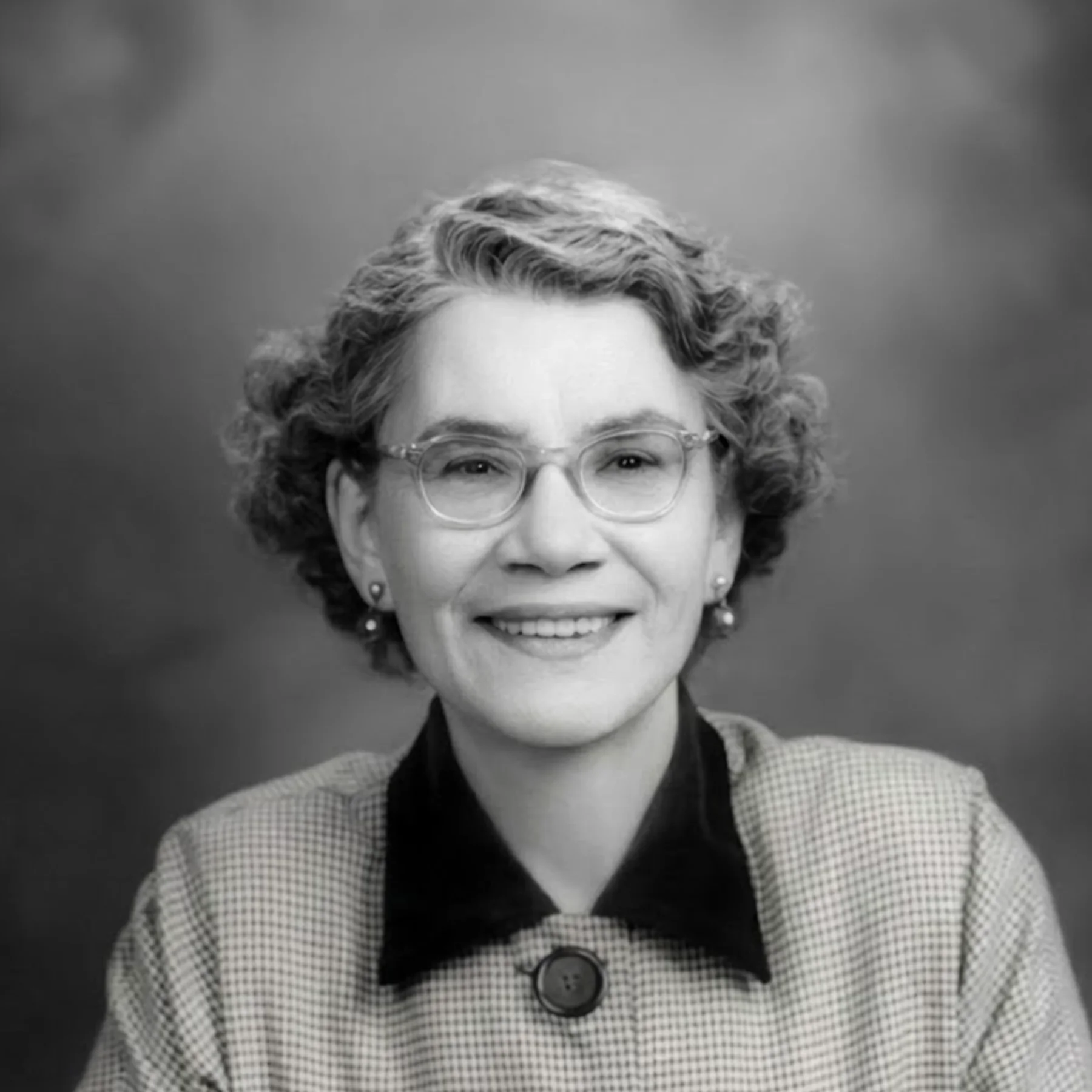
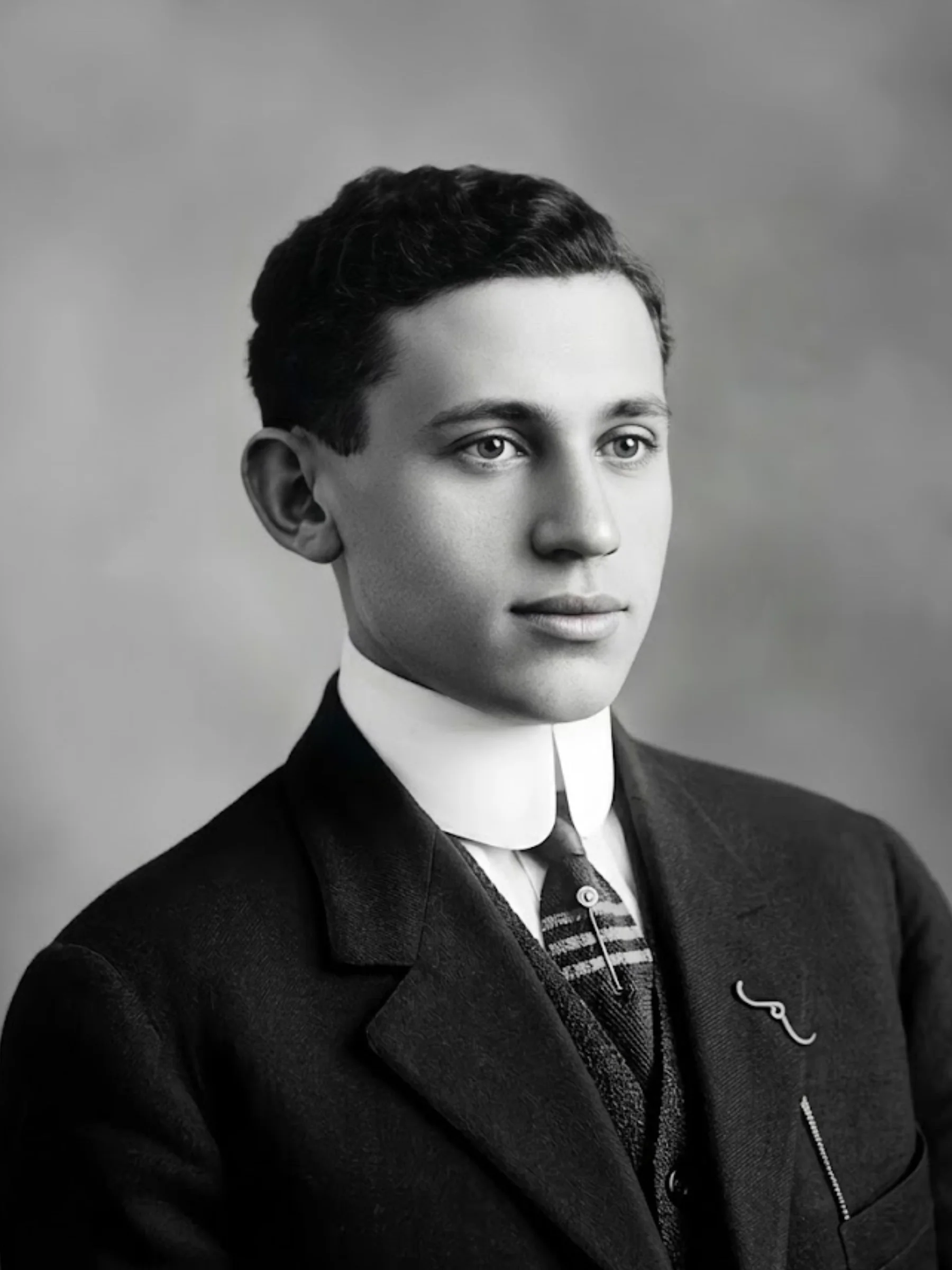
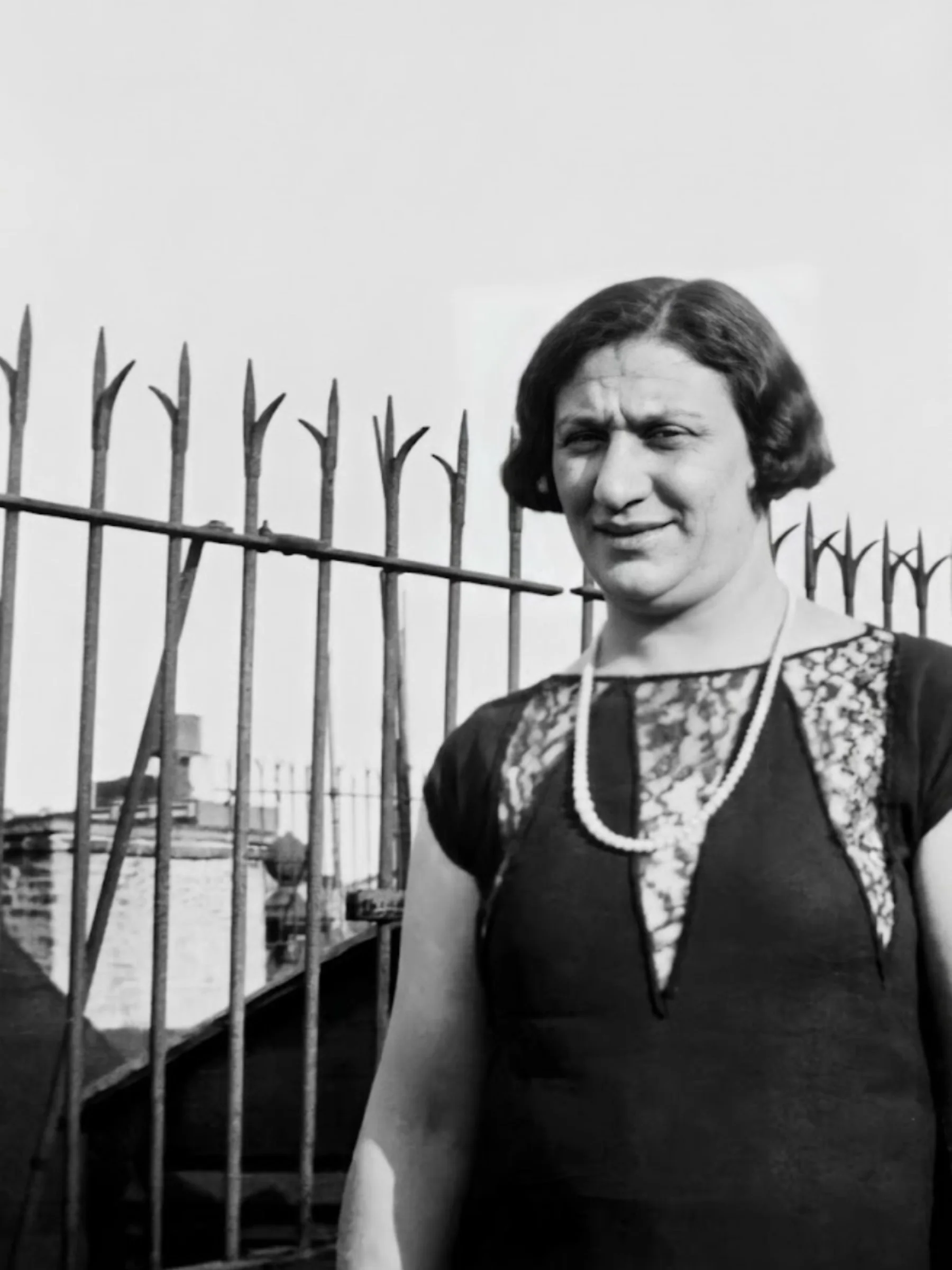
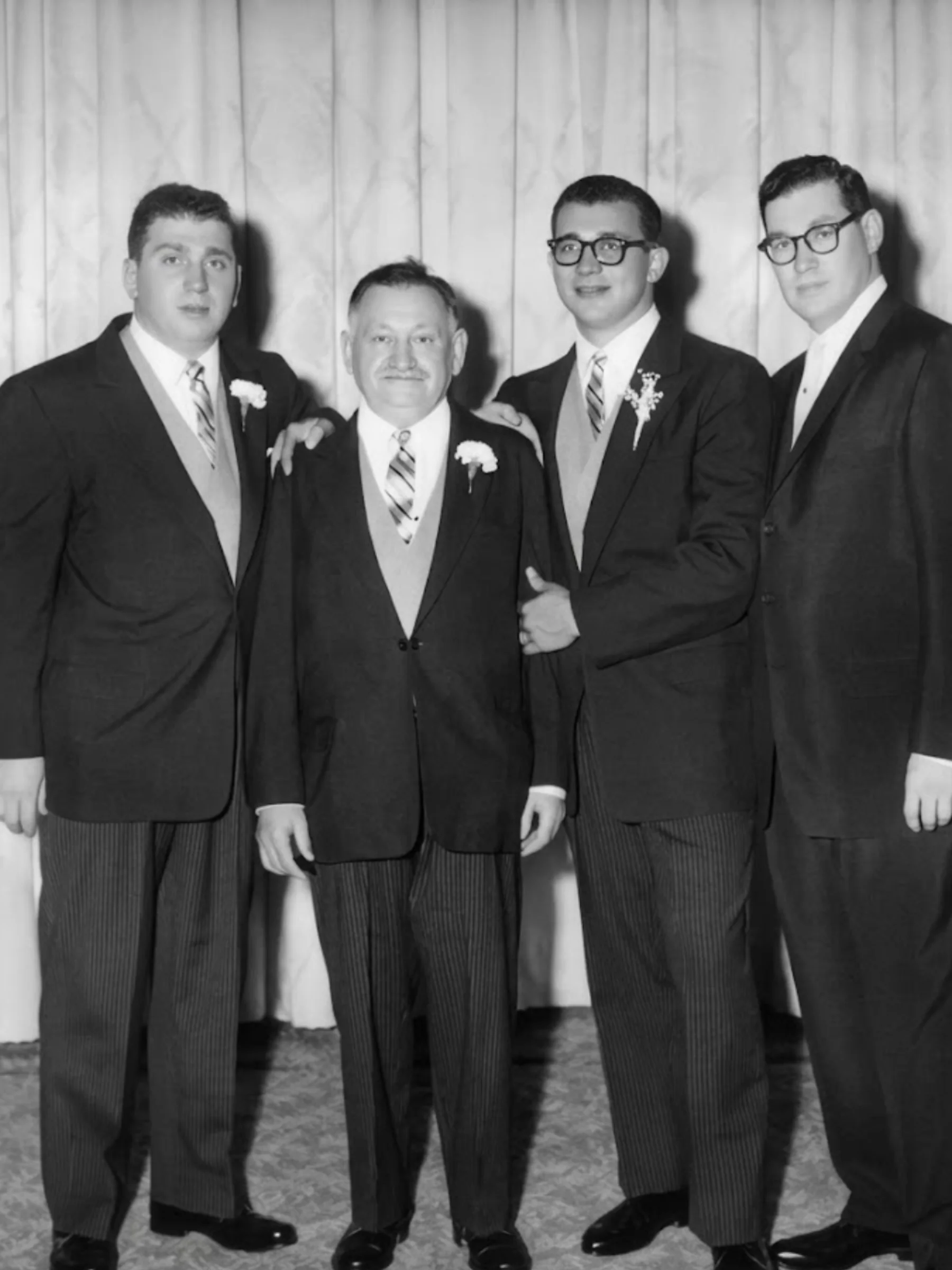
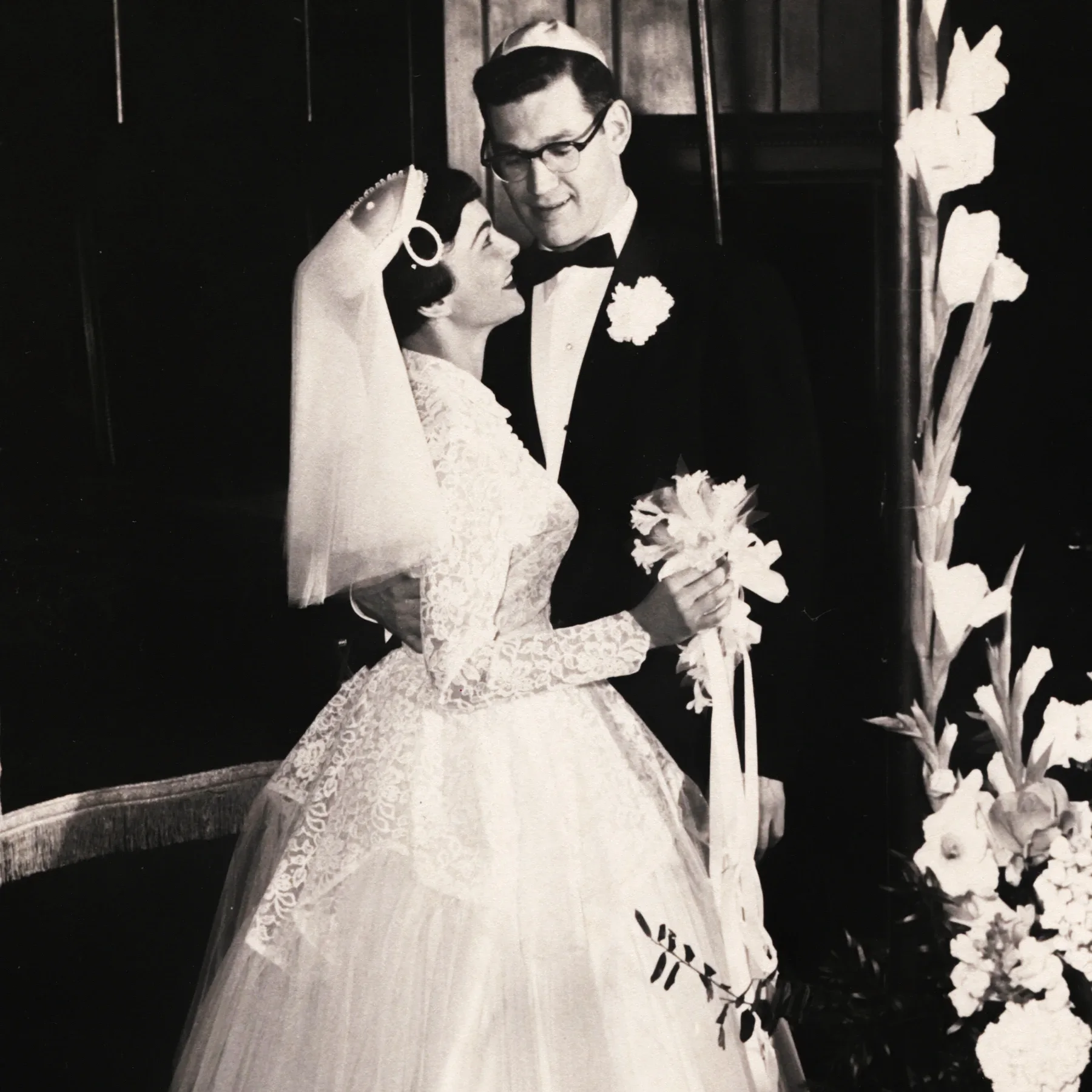
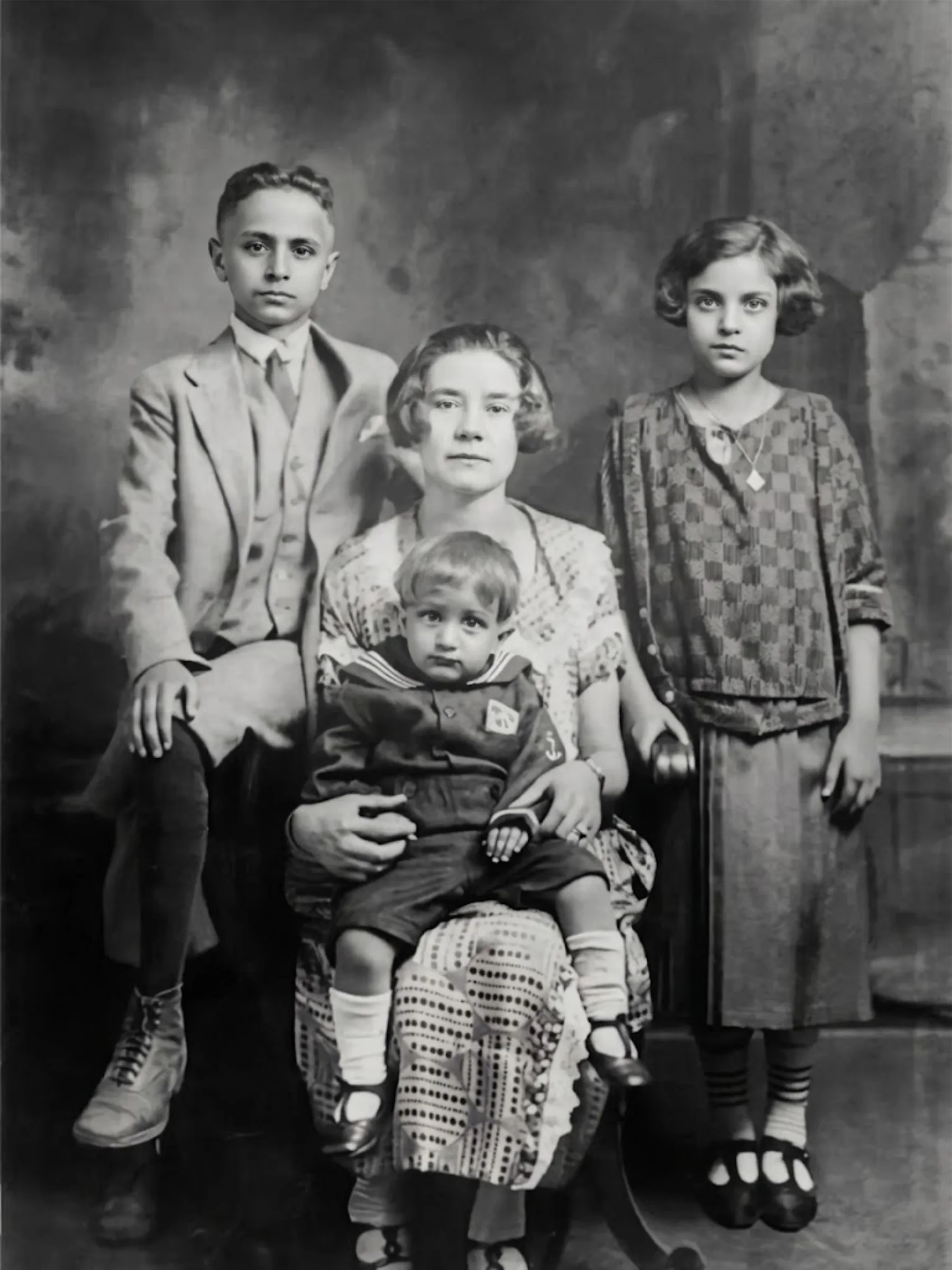
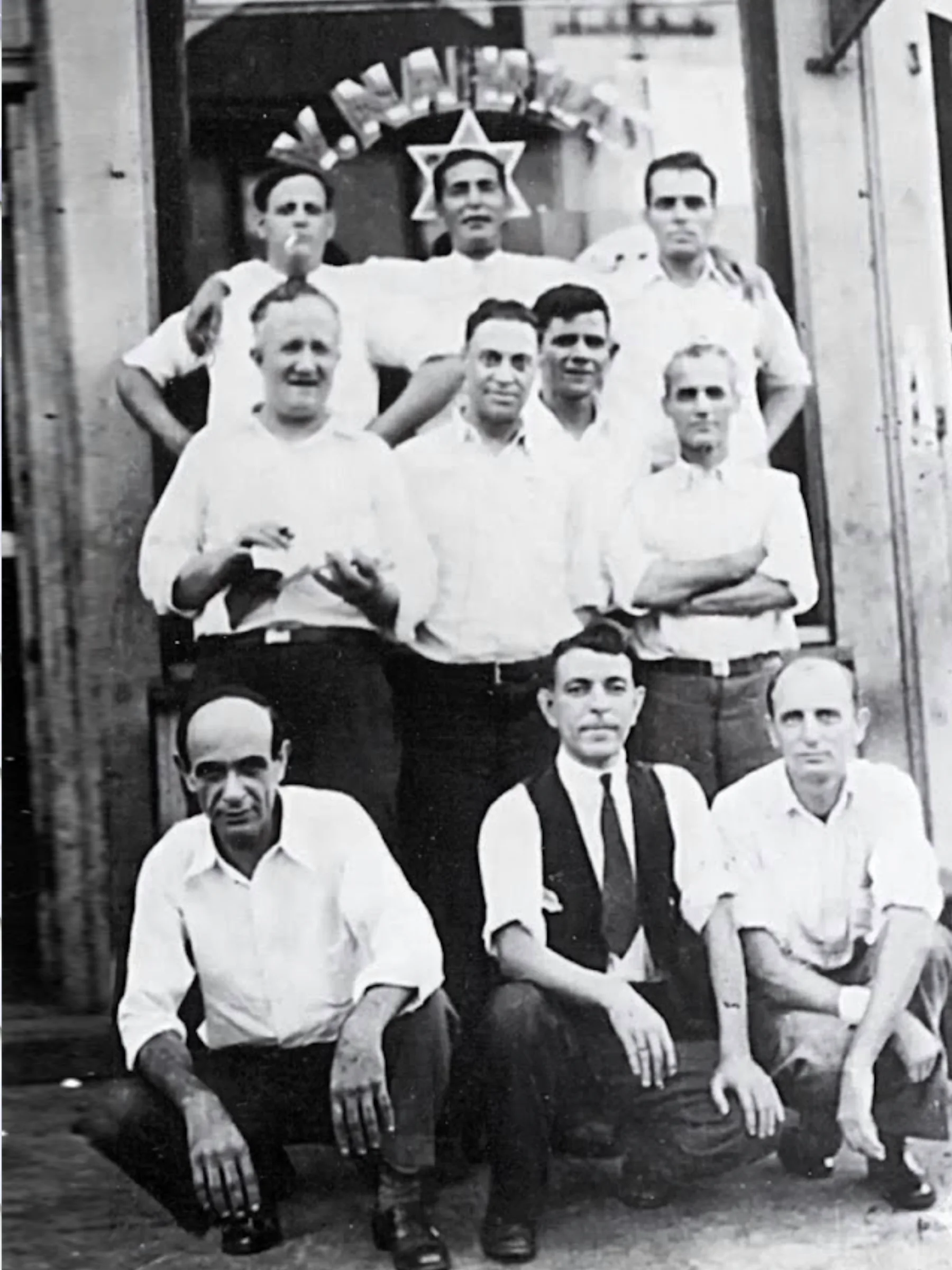
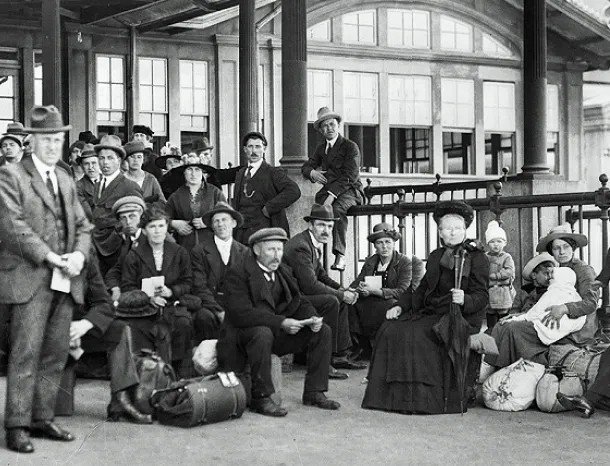
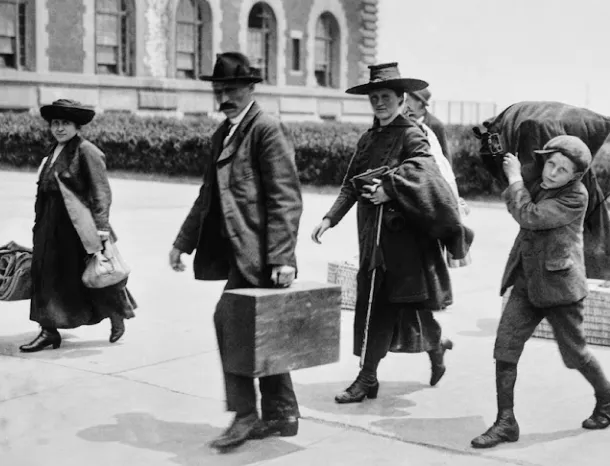
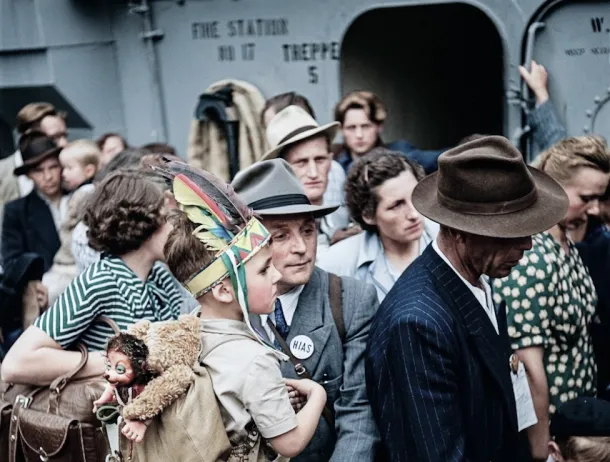
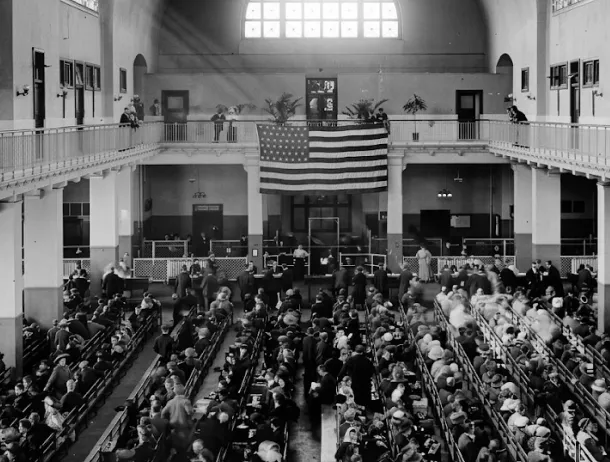
Three of my grandparents came to the United States from Europe and the Mediterranean region. I’m proud to honor my immigrant ancestors and the contributions they made to our family and to this country.
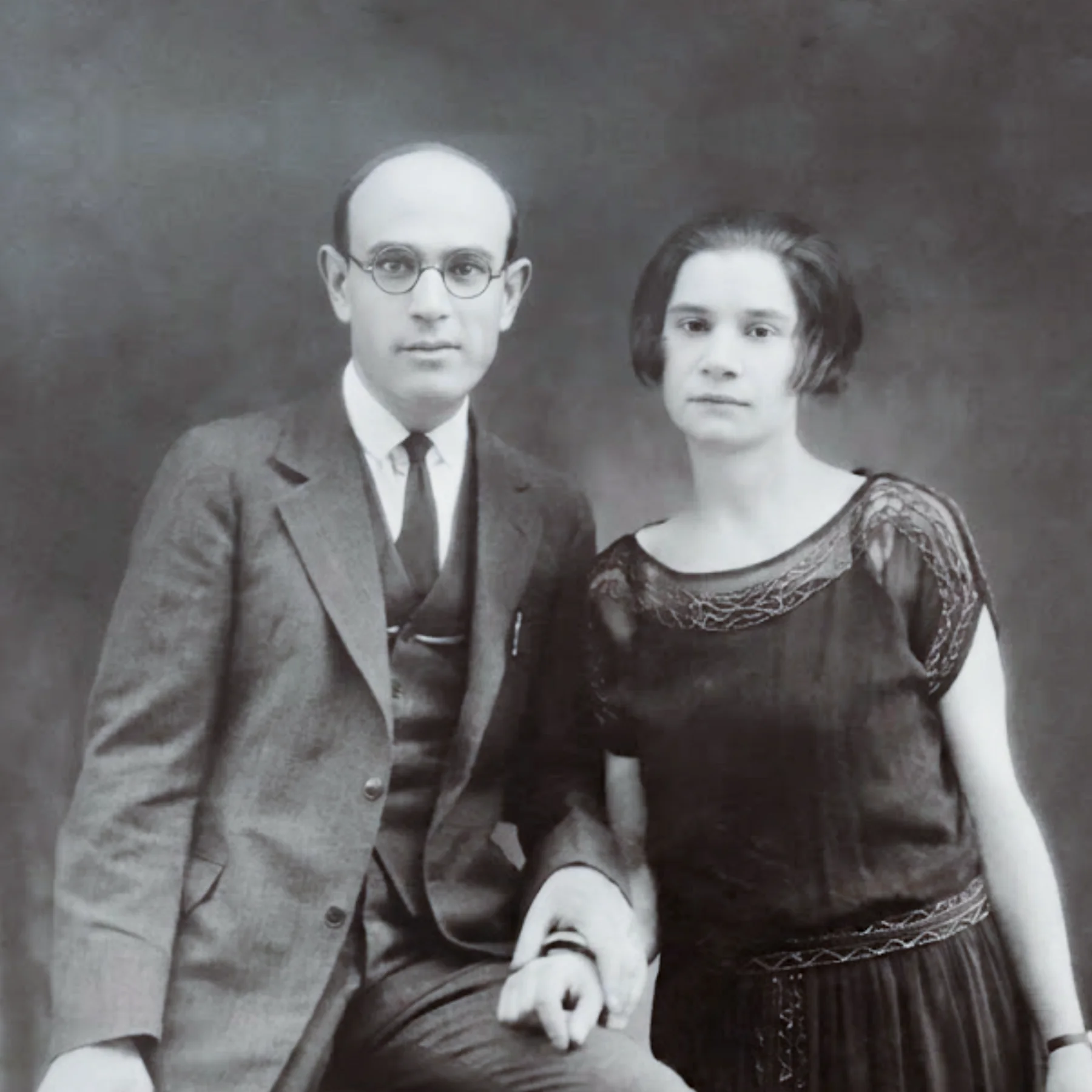
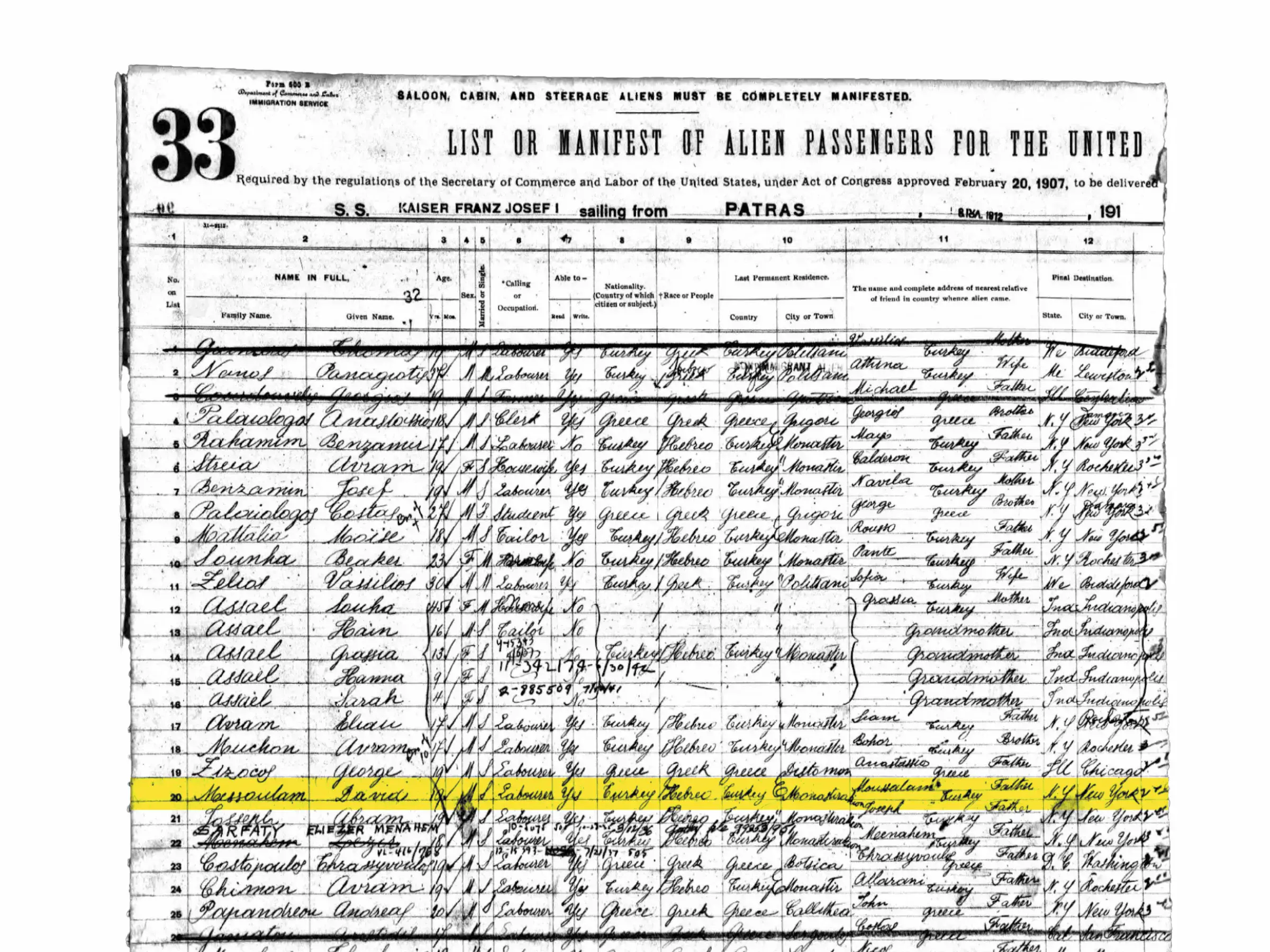
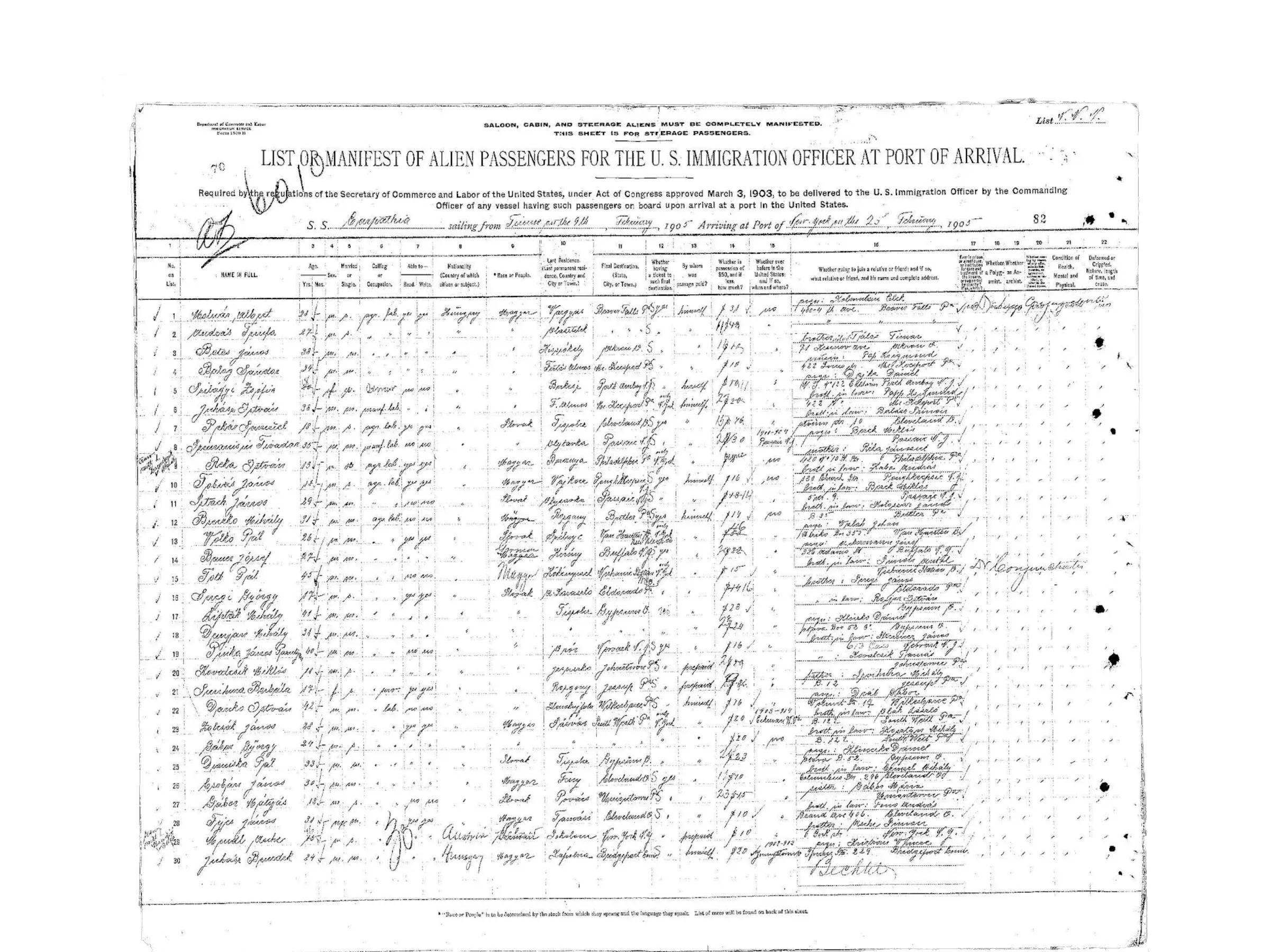
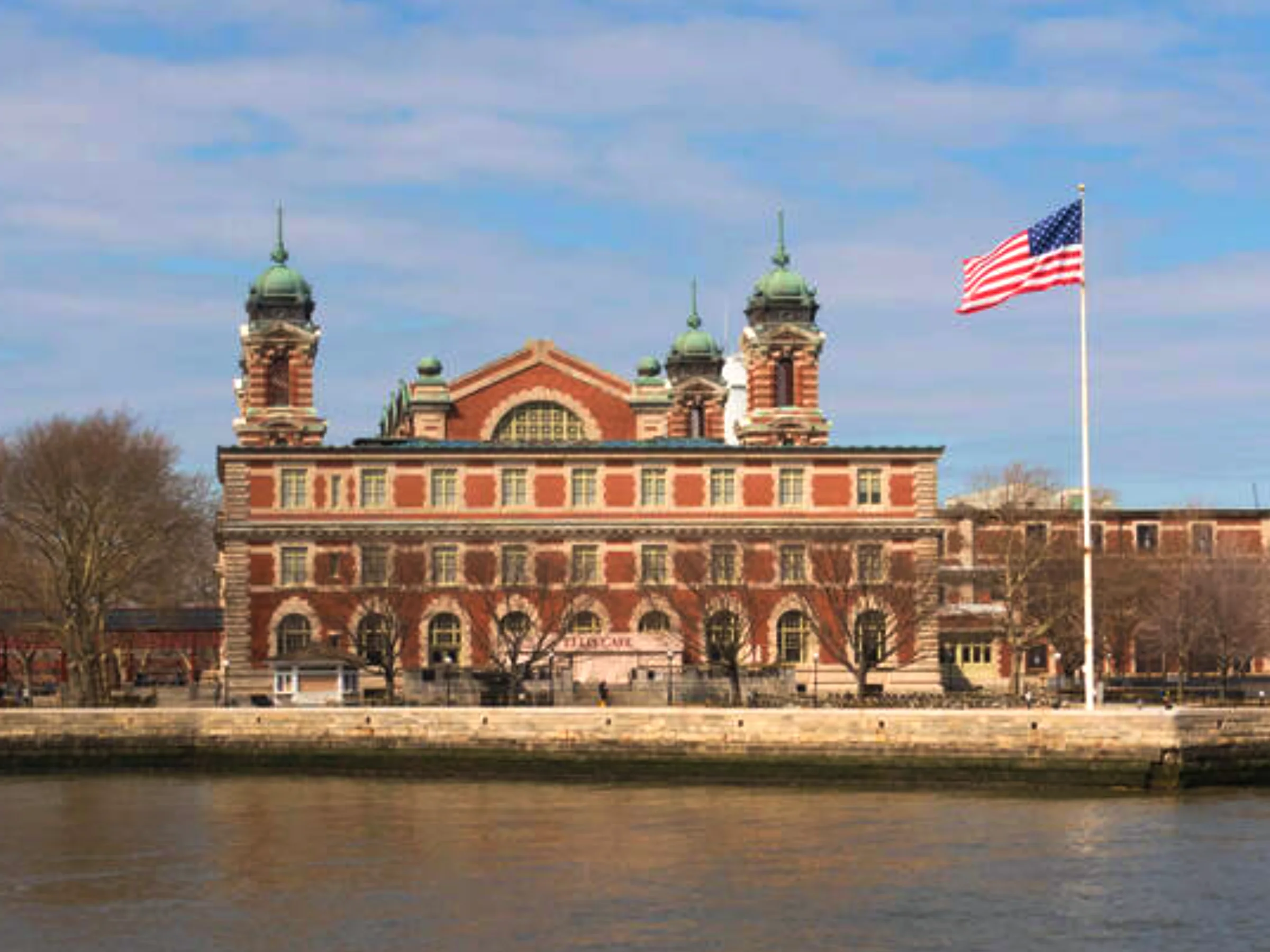
In 1912, my maternal grandfather, David Meshulam, emigrated from Monastir, Turkey (now Serbia) when he was 19 years old. Sailing from Patras, Greece, David arrived at Ellis Island on July 20th.
Eight years later, my maternal grandmother Regina Profeta (registered as Rayna Porfeta on the ship manifest), also sailed from the port of Patros to start a new life in the United States.
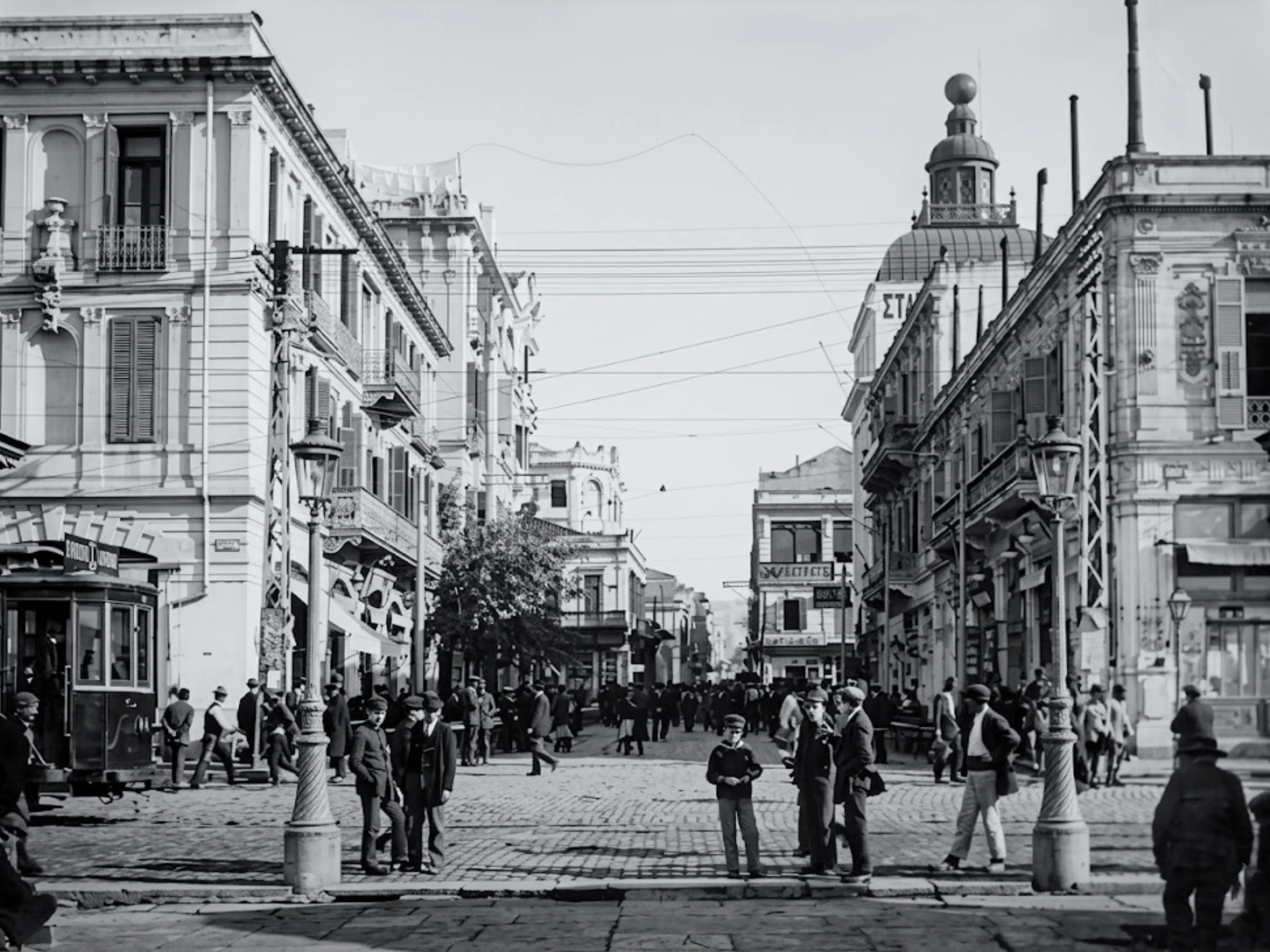
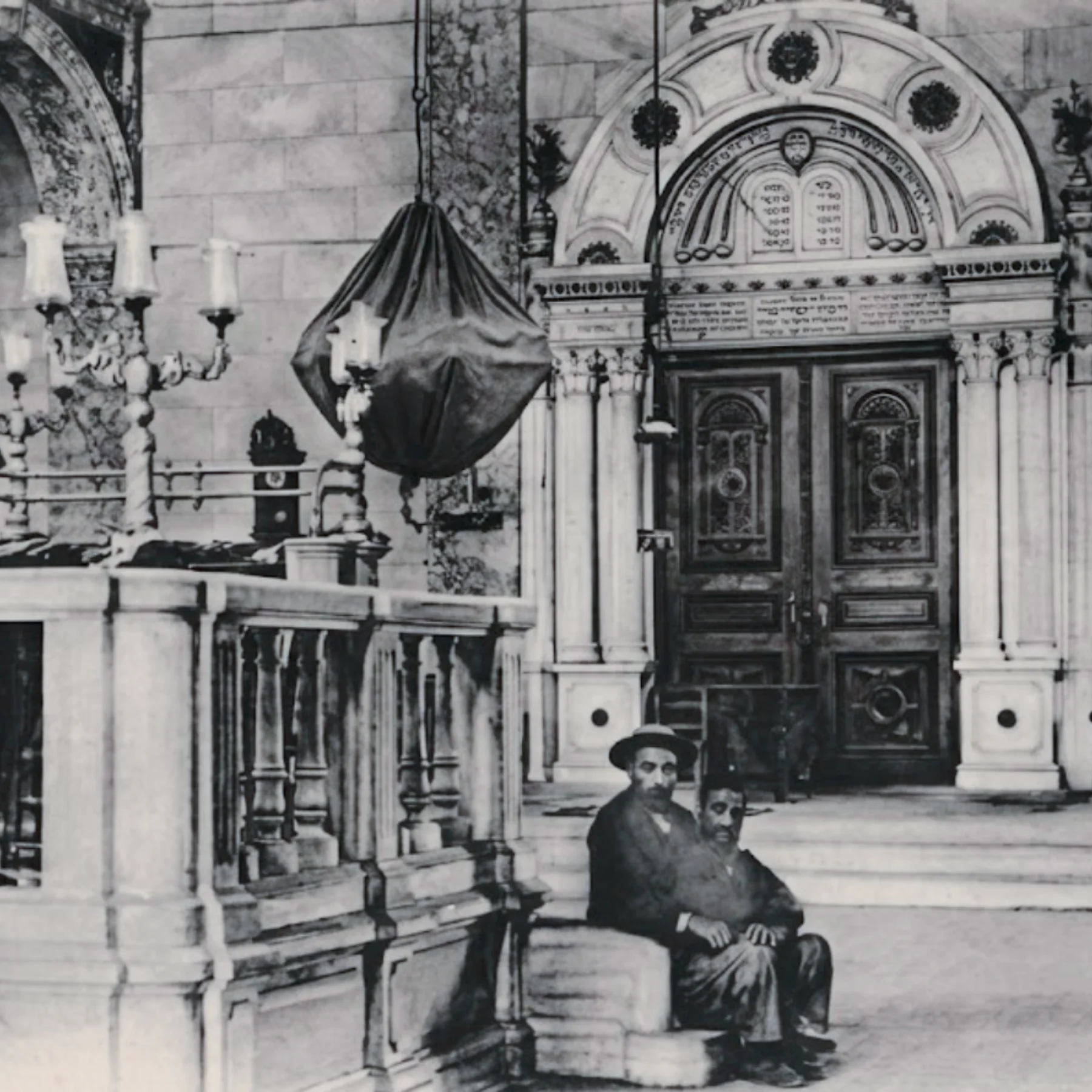
Regina was from Thessalonika (Salonica), Greece. Salonica was one of the few cities with a Jewish-majority population. Jews established their own hospitals and schools, ran thriving businesses, and built synagogues. My great-grandfather was the caretaker of the synagogue there.
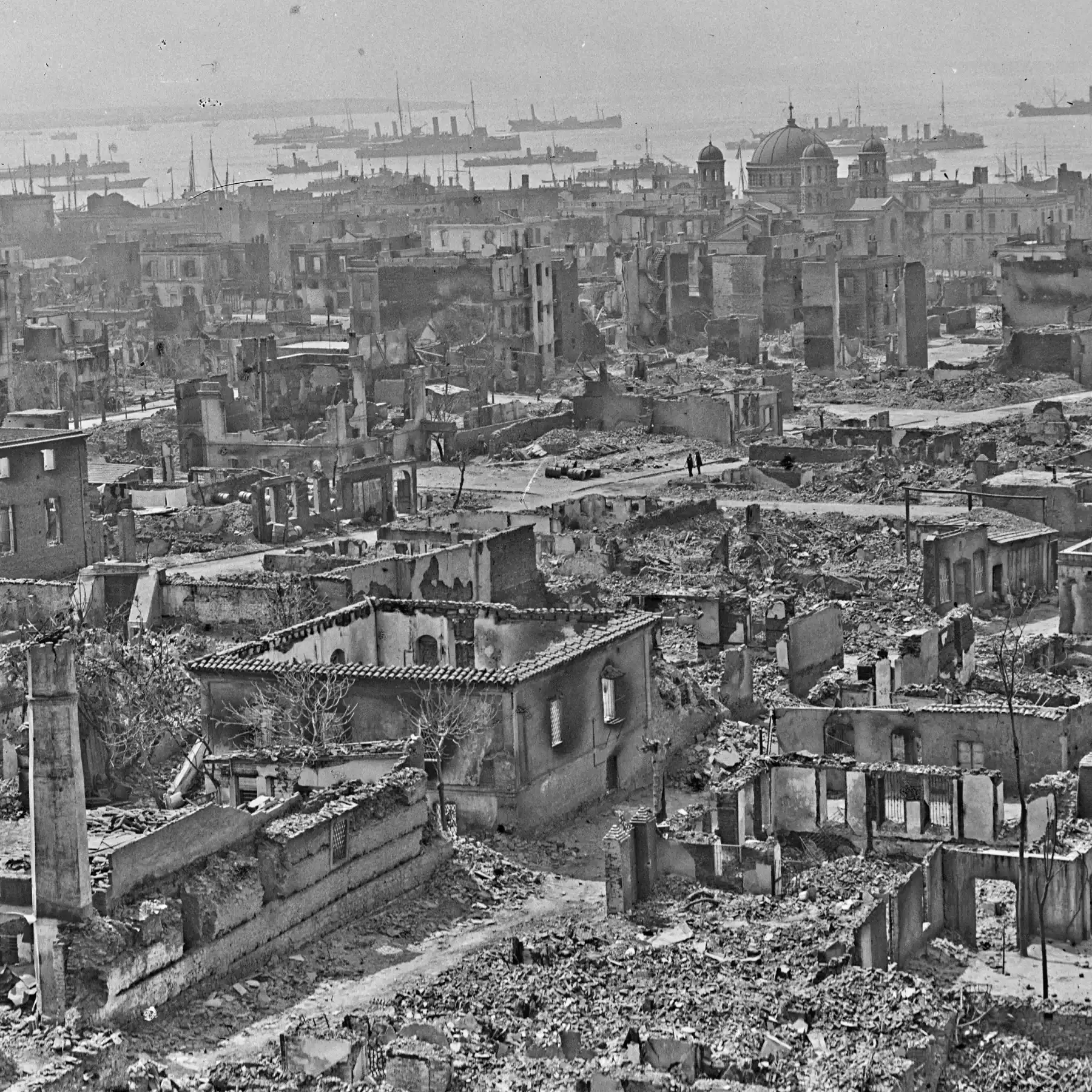
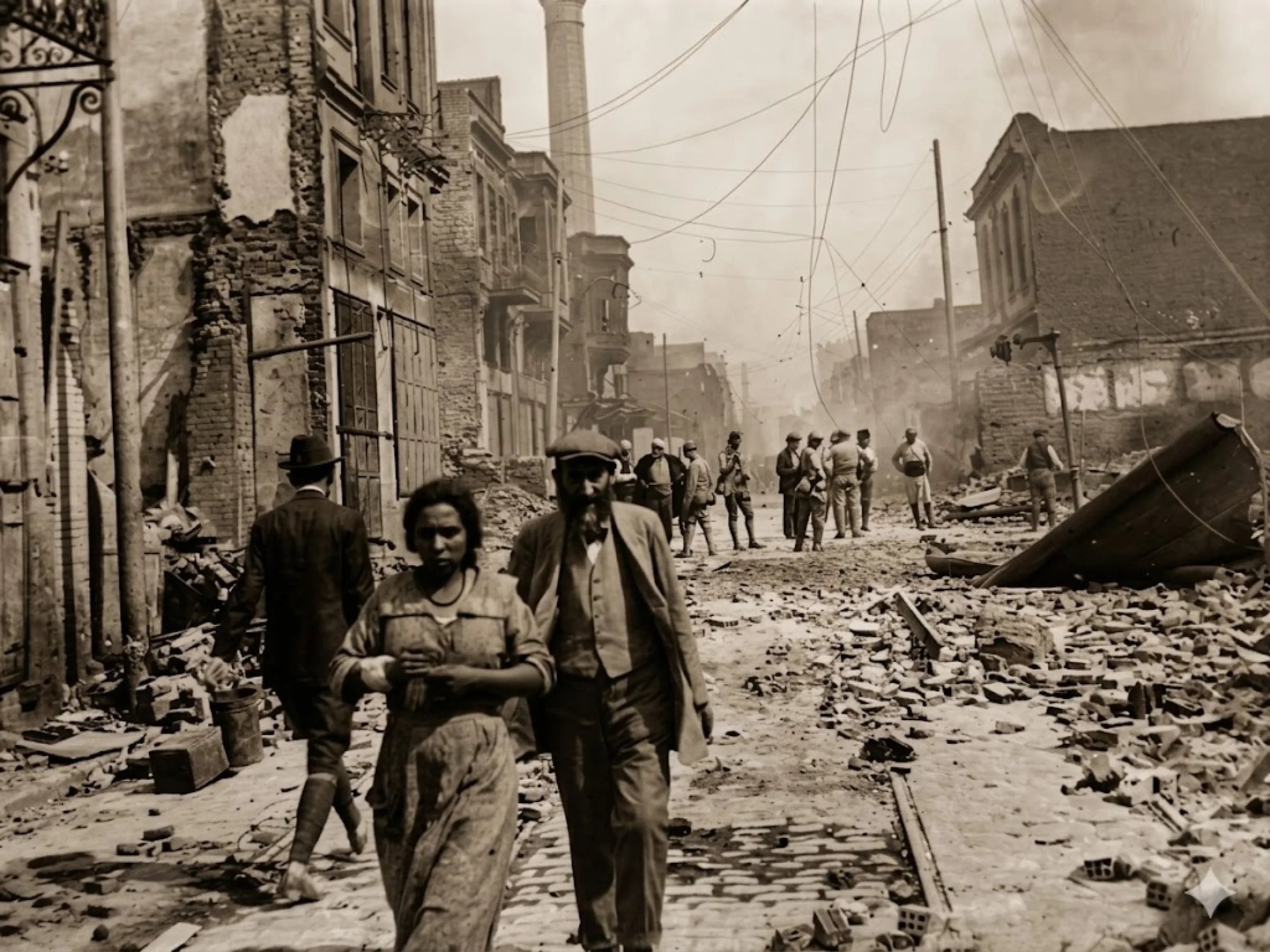
In 1917, a great fire destroyed much of Salonica and many Jews left the city. When the Nazis took over during World War II, this vibrant metropolis of 120,000 Jews was decimated. Today, the Jewish population is less than 10,000.
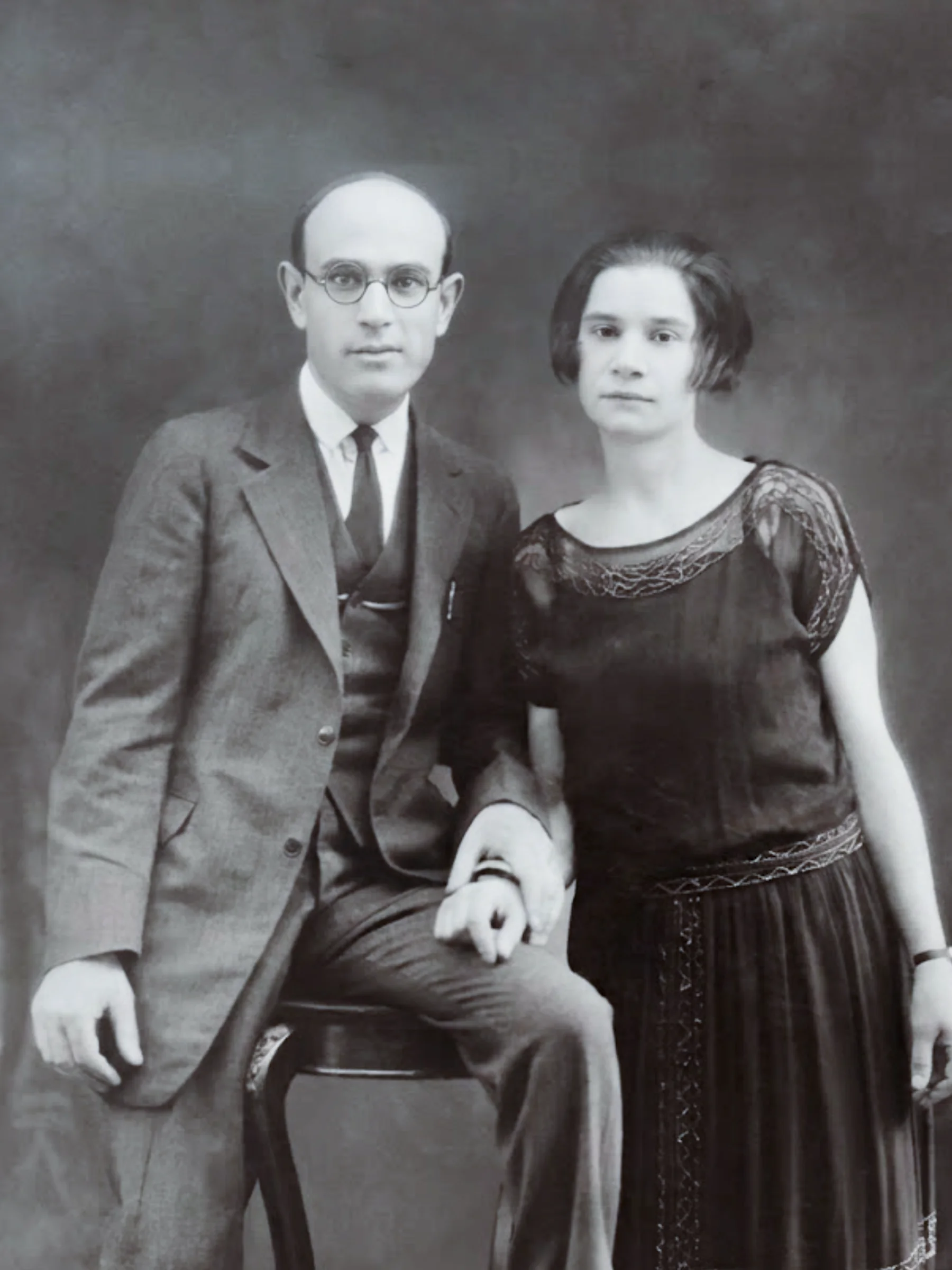
My maternal grandparents, David and Regina, had an arranged marriage, which was not uncommon among Sephardic Jews at that time. They had two children, one of whom was my mother, Bessie Meshulam, and the other, my uncle Albert. My grandfather David died at 50, and my grandmother Regina lived into her nineties. My grandmother spent her life after the death of her husband as a laundress to housekeeper.
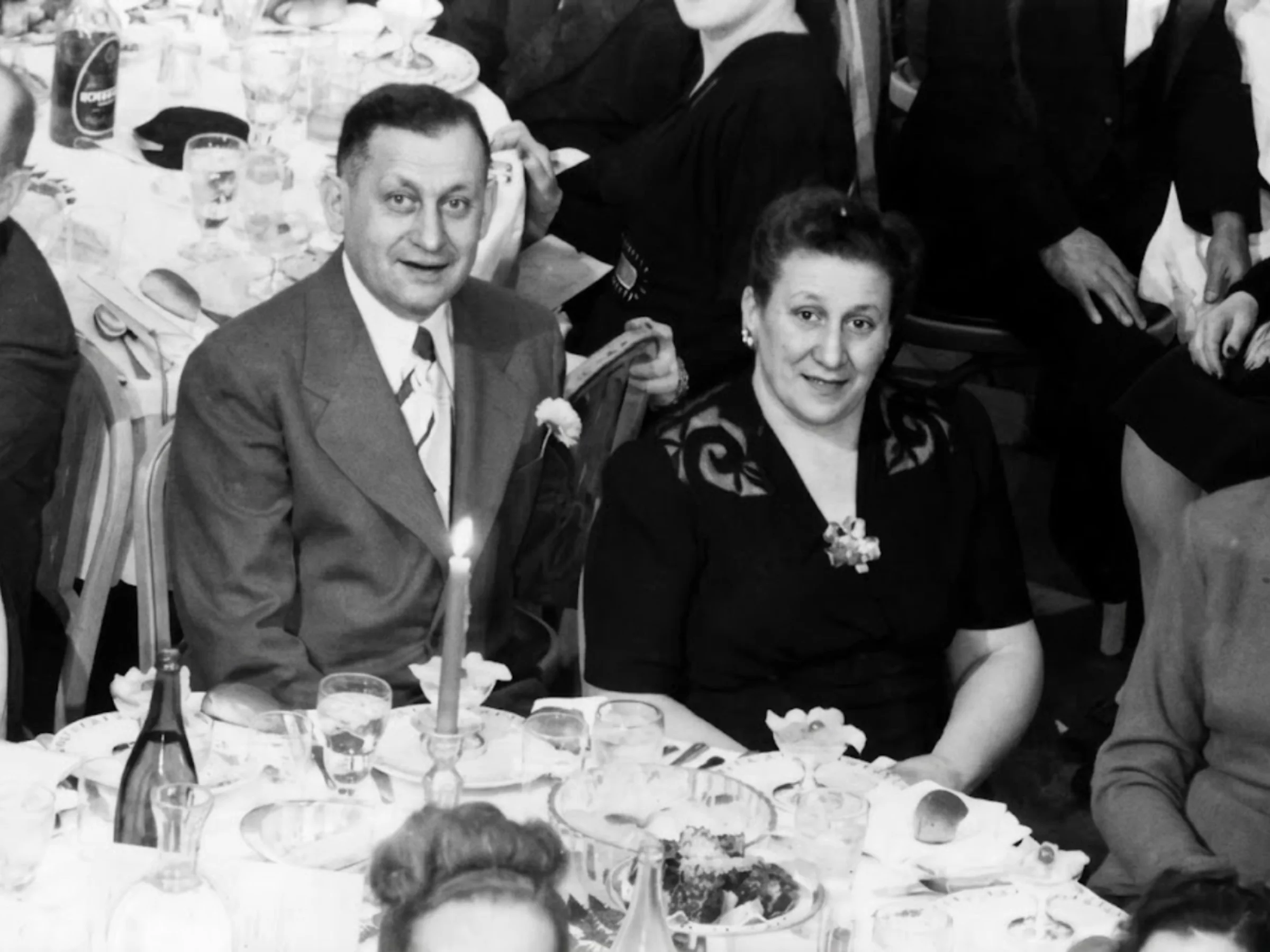
On my father’s side, my grandfather, Mendl Asche, was born in Sokołów (in the Galicia region, in what is now Poland). In 1905, Mendl was just 16 when he bravely embarked on the journey to make a new life in the United States. He joined his brother, Harry, in New York.
In most documents from their native country, Mendl and his brother Harry were listed as illegitimate, because as Jews, their parents’ marriage was not legally recognized in Poland. Once here, Mendl became Max, and he and his brother adopted the last name Simon—we believe because their mother’s maiden name was Szeiman.
Max would go on to meet and marry my grandmother, Mae Gottlieb, in New York City. She was born in the United States to immigrant parents, Morris and Anna (Rogen) Gottlieb, who both emigrated from Passenheim, Germany in the 1800s.
The Meshulam and Simon families were both in the tailoring business—my grandfather David in gloves, and my grandfather Max in women’s coats. Max worked for a time as a union organizer in the garment industry.
My father Melvin was born in 1926. He was the oldest of three sons, with brothers Herb and Fred.
My mother and father met while he was stationed in Indianapolis. After Melvin married my mother Bessie, he started Melvin Simon & Associates in 1960.
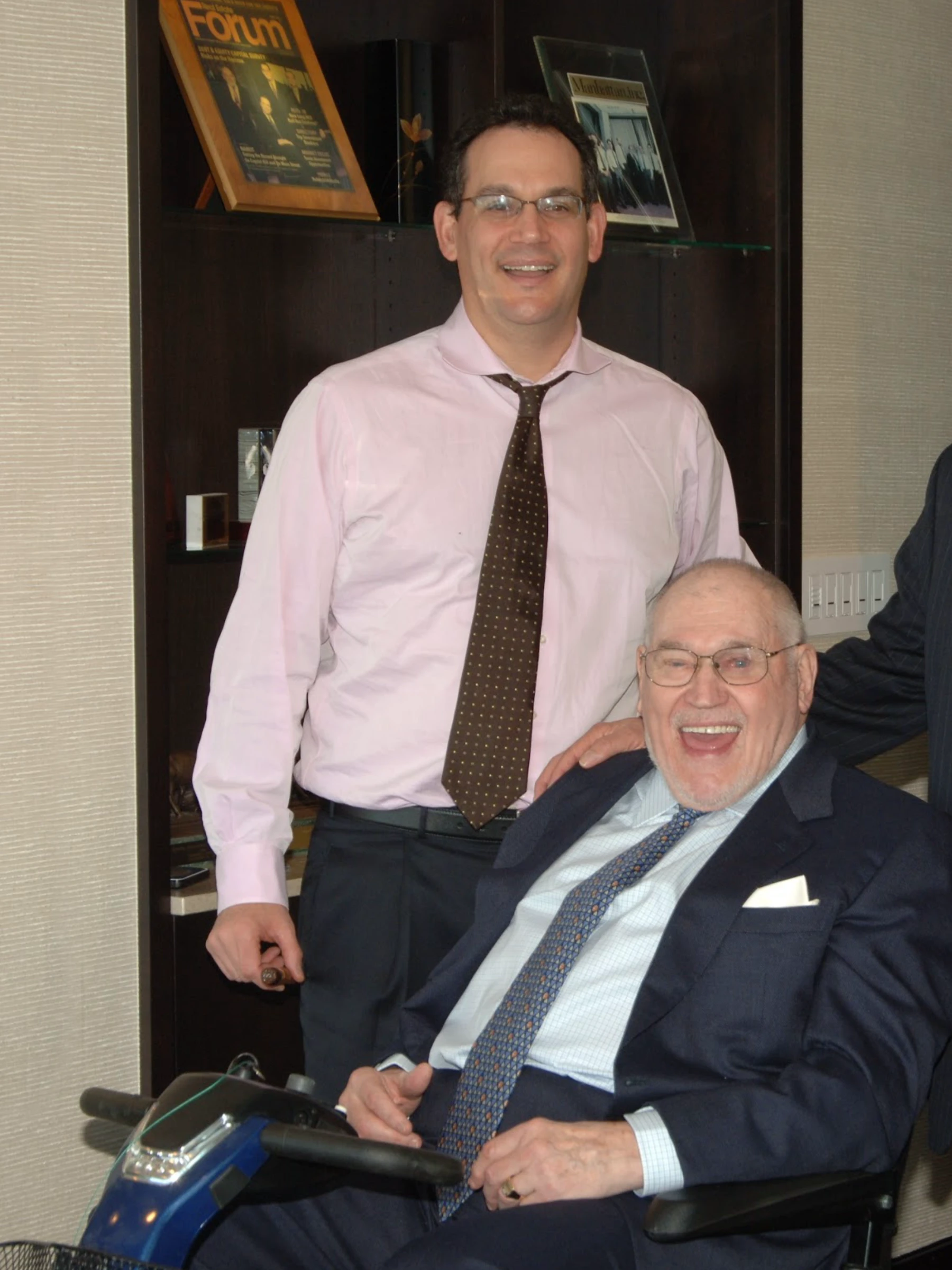
Our family business started with a few strip malls in Indianapolis and is now the largest owner of shopping malls in the United States. My brother David carried on the family legacy and took the company public in 1993 and named it Simon Property Group. We lost him in 2026. My nephew Eli took over after his father’s passing.
My father pursued the American Dream—going from the Bronx High School of Science to the City College of New York to the Army, then to success.
Like so many others, our family’s American dream would not have been possible without the ancestors who came before us—people who took risks and sacrificed for future generations. Supporting the Ellis Island National Museum of Immigration is part of that legacy.
We all come from immigrants, tailors to laundresses. America gave us the opportunity. We pass on this pride to others.
This Museum is essential. It preserves complex, inspiring stories that tell us who we are as individuals, as families, and as a nation.
Are you sure you want to remove this product from the cart?
(Note: If you remove the inscription the associated certificate will also be removed from the cart.)
You are requesting to delete all personal identifiable information (PII) held by The Statue of Liberty - Ellis Island Foundation. This includes all records related to you, including but not limited to donor registries, online publications, museum interactive content, digital mementos, and other data within our databases and systems.
Please be advised that once the deletion is completed, the data will be permanently erased and will no longer be accessible. This process is comprehensive and irreversible. However, you may at any time resubmit your PII to the Foundation and establish a new record.
Do you want to proceed with this deletion request?
Your deletion request has been submitted. The Foundation will contact you within 3-5 business days.